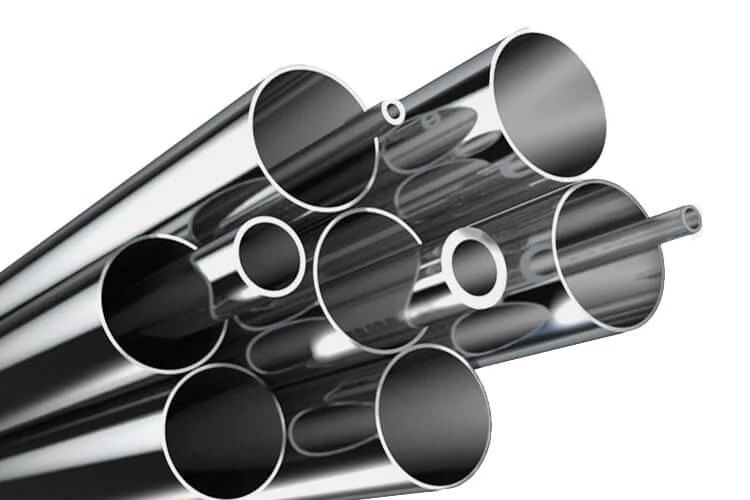

When it comes to industrial piping, there are many different materials to choose from. While copper or aluminum may be suitable for some applications, stainless steel is the material of choice for a wide range of industries due to its durability and corrosion resistance. But not all stainless steel is created equal; two common types used in industrial pipelines are 304 and 316 stainless steel. So, what’s the difference between these two materials? Let’s find out!
304 Stainless Steel Pipe
304 stainless steel pipe is an incredibly reliable and durable material to use in plumbing and construction. It is corrosion resistant, making it usable in outdoor and marine projects. This alloy of stainless steel also has extremely good forming and welding characteristics, which makes it easier to work with than other grades of steel. In addition, its high chromium content gives it excellent oxidation resistance, allowing for long term usage even under harsher environments. All in all, 304 stainless steel pipe is a great choice when seeking a cost-effective and long lasting material for any project requiring pipes or tubes.
304 vs 316 stainless steel pipe
The primary difference between 304 and 316 stainless steel pipes is their composition. 304 grade is made up of 18% chromium and 8% nickel, while 316 grade contains 16% chromium, 10% nickel, and 2% molybdenum. The additional molybdenum in 316 grade makes the material more resistant to corrosion compared to 304 grade.
Another important difference between these two grades of stainless steel is their cost. Generally speaking, 316 grade will cost more than its counterpart due to its increased resistance to corrosion. However, it may be worth the extra money if you're looking for a pipe that will last longer in harsh environments or with frequent exposure to water or chemicals. Additionally, if you're looking for a food-grade pipe, then you should opt for either 304 or 316, depending on your specific needs and budget.
As far as overall strength goes, both materials are equally strong; however, the higher nickel content in 316 grade makes it slightly tougher than its counterpart. This means that it can better withstand higher temperatures without becoming brittle over time. This can be especially important when dealing with pressurized systems such as those found in oil refineries or nuclear power plants, where temperature fluctuations can cause significant damage if not handled properly.
Conclusion:
When choosing a type of pipe for your project, it's important to consider your budget as well as how much resistance you need against corrosion or extreme temperatures. In some cases, a combination of both 304 and 316 may be necessary, depending on your specific requirements. No matter which type of stainless steel you choose, both offer excellent durability and long-term performance, so you can rest assured knowing that your project will stand the test of time!



























Sign in to leave a comment.