

Lip augmentation is a popular cosmetic procedure designed to enhance the fullness, shape, and contour of the lips. Whether seeking a subtle boost or a dramatic transformation, various lip augmentation procedures are available to suit different goals, budgets, and preferences.
This blog analyses the various lip augmentation methods, ranging from non-surgical fillers to surgical implants and lip lifts, offering readers a detailed understanding of their options.
1. Lip Fillers (Non-Surgical Lip Augmentation)
The most common and widely sought-after lip augmentation procedure is the injection of dermal fillers. These injectable gels typically contain hyaluronic acid (HA), a substance naturally found in the body that helps add volume and hydration.
How It Works
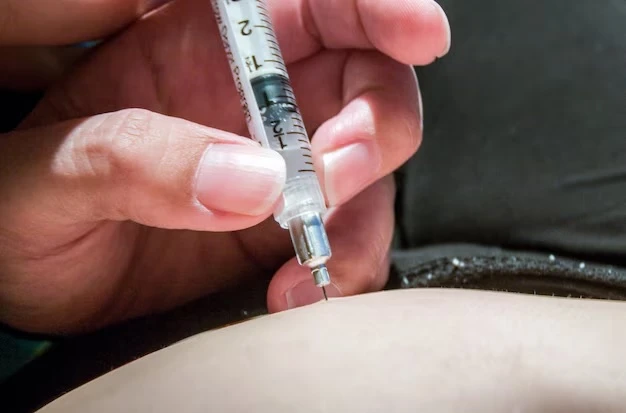
A trained cosmetic practitioner injects dermal fillers into specific areas of the lips to enhance volume, shape, or symmetry. The procedure takes 15 to 30 minutes with minimal downtime.
Benefits
- Quick and minimally invasive
- Results visible immediately
- Effects last 6 to 12 months, depending on the filler type
- Can be adjusted or reversed using enzymes (hyaluronidase) if needed
Popular Fillers
- Juvederm
- Restylane
- Belotero
Lip fillers are perfect for those seeking temporary enhancement or first-time augmentation.
2. Lip Implants (Surgical and More Permanent)
For those wanting longer-lasting or permanent results, lip implants offer a surgical option. Implants are soft silicone materials surgically placed beneath the lip tissue to provide constant volume.
Procedure Details
The process involves inserting implants through small incisions in the corners of the mouth. The procedure takes around 30 minutes and is done under local anesthesia. Healing consists of some swelling and tenderness for a few days.
Types of Implants
- GORE-TEX
- SoftForm
- AlloDerm
Benefits
- Permanent lip enhancement
- Natural feel and appearance
- No need for frequent re-treatments
This option is appropriate for those committed to long-term change and are comfortable with a minor surgical procedure.
3. Fat Grafting (Autologous Lip Augmentation)
Fat grafting uses the patient's own fat cells to enhance lip volume. This method is also called autologous lip augmentation.
How It Works
Fat is harvested from another part of the body (usually the abdomen) through liposuction, purified, and then injected into the lips. The procedure needs local anesthesia and lasts between 60 and 90 minutes.
Benefits
- Natural material used, reducing allergy risks
- Longer-lasting results, often up to five years or more
- Can contour other facial areas simultaneously
Fat grafting is ideal for patients seeking a natural, long-lasting enhancement without synthetic fillers.
4. Tissue Grafting
Tissue grafting involves using skin tissue taken from the lower abdomen, cesarean scars, or leftover material from facelift procedures to increase the lips.
Procedure
After harvesting, the outer skin layer (epidermis) is removed, and the remaining dermis is rolled or folded to add volume to the lips. Like fat grafting, this is a longer-lasting option, but it is more invasive.
Benefits
- Long-lasting lip fullness
- Very natural texture and appearance
- Low risk of rejection since the tissue is from the patient
Tissue grafting is reserved for patients who desire semi-permanent enhancement and have sufficient donor tissue available.
5. Lip Lifts (Surgical Enhancement Without Fillers)
Unlike volume-adding methods, lip lifts are surgical procedures designed to shrink the distance between the upper lip and the nose or to adjust lip shape for a fuller appearance.
Types of Lip Lifts
- Direct Lip Lift: Removes a strip of skin from above the upper lip, exposing more of the red lip and front teeth area.
- Indirect Lip Lift: Incisions are hidden at the base of the nose, lifting the lip subtly and producing a natural pout.
- Lip Corner Lift: Aims to raise drooping corners of the lips for a more youthful, smiling appearance.
Benefits
- Permanent results
- Enhances natural lip shape without adding bulk
- Improves facial proportions and smile aesthetics
Recovery time varies but generally takes a few weeks. Lip lifts are ideal for individuals with thin lips, due to aging or genetics.
6. Lip Reduction Surgery
Lip reduction surgery reshapes and reduces the size of large lips by removing excess tissue.
Procedure
Incisions are made on the inner pink part of the lip to minimise visible scarring. The surgeon removes excess fat and tissue to achieve the desired size and shape.
Benefits
- Balanced lip proportions
- Customised shape reduction
- Can correct congenital or trauma-related lip issues
This option is for people who are dissatisfied with their lip size rather than lip volume.
Choosing the Right Procedure
When considering lip augmentation, several factors impact the best choice:
- Desired longevity: Temporary fillers vs permanent implants or surgical lifts
- Volume needed: Subtle plumping or dramatic enhancement
- Recovery time tolerance
- Budget constraints
- Comfort with surgical procedures
Consulting with a qualified practitioner or dermatologist is essential. They will evaluate facial anatomy and personal goals, allowing for the selection of the ideal technique.
Conclusion
Lip augmentation is a versatile field with options ranging from quick, non-invasive fillers to permanent surgical procedures. Whether enhancing volume with hyaluronic acid fillers, opting for fat grafting, or considering surgical lip lifts, modern techniques offer solutions tailored to every preference and lifestyle. Understanding the differences between these methods enables patients to make informed choices and achieve natural, beautiful results aligned with their aesthetic objectives. Visit Non Surgical Blepharoplasty for accurate, efficient, and safe lip augmentation in London.



























Sign in to leave a comment.