
In modern engineering and manufacturing, accuracy is everything. Precision measuring instruments play a crucial role in ensuring components meet exact specifications, improving quality control, and reducing production errors.
In this guide, we’ll explore the different types of precision measuring instruments and their practical uses across industries.
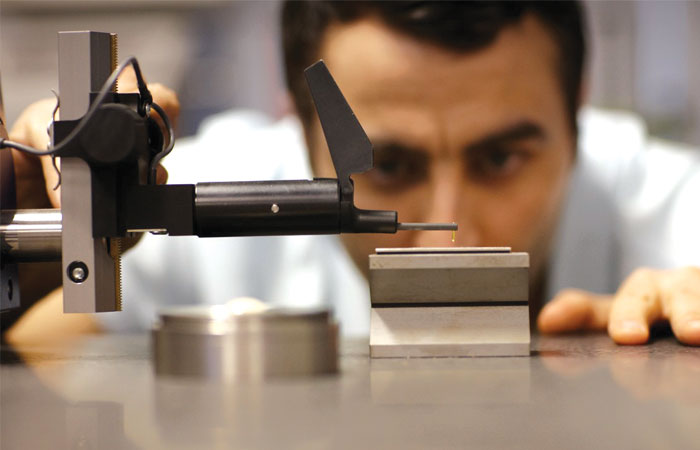
What Are Precision Measuring Instruments?
Precision measuring instruments are tools designed to measure physical dimensions with high accuracy and minimal error. These instruments are widely used in industries such as:
- Manufacturing
- Automotive
- Aerospace
- Engineering
- Quality control laboratories
They help ensure products meet strict tolerances and standards.
Why Are Precision Measuring Instruments Important?
Using the right precision measuring instruments offers several benefits:
- ✔ High measurement accuracy
- ✔ Improved product quality
- ✔ Reduced material waste
- ✔ Compliance with industry standards
- ✔ Enhanced production efficiency
Types of Precision Measuring Instruments and Their Uses
1. Vernier Calipers
Vernier calipers are one of the most common precision measuring instruments used to measure internal and external dimensions.
Uses:
- Measuring diameter and thickness
- Checking internal holes
- General workshop measurements
2. Micrometers
Micrometers provide extremely precise measurements, often up to 0.001 mm.
Types:
- Outside micrometer
- Inside micrometer
- Depth micrometer
Uses:
- Measuring small components
- High-precision engineering tasks
3. Height Gauges
Height gauges are used to measure vertical dimensions on a flat surface.
Uses:
- Marking out workpieces
- Measuring height differences
- Inspection tasks in quality control
4. Dial Indicators
Dial indicators measure small linear distances and deviations.
Uses:
- Checking alignment
- Measuring runout
- Detecting surface variations
5. Coordinate Measuring Machines (CMM)
A CMM is one of the most advanced precision measuring instruments used in modern manufacturing.
Uses:
- 3D measurement of complex parts
- Inspection of manufactured components
- Quality assurance processes
6. Gauge Blocks
Gauge blocks are precision-ground blocks used as reference standards.
Uses:
- Calibration of other measuring tools
- Setting up equipment
- Ensuring measurement accuracy
7. Bore Gauges
Bore gauges measure the internal diameter of holes with high precision.
Uses:
- Engine cylinder measurement
- Internal diameter inspection
- Quality control in machining
8. Surface Plates
Surface plates provide a flat reference surface for measurement.
Uses:
- Inspection and layout work
- Supporting precision instruments
- Ensuring measurement consistency
9. Laser Measuring Instruments
Laser-based tools are modern precision measuring instruments used for fast and accurate measurements.
Uses:
- Distance measurement
- Alignment tasks
- Large-scale industrial applications
10. Optical Measuring Instruments
These instruments use light or vision systems for non-contact measurement.
Uses:
- Measuring delicate components
- High-speed inspection
- Micro-level precision tasks
How to Choose the Right Precision Measuring Instruments
Selecting the right precision measuring instruments depends on:
- Required accuracy level
- Type of material being measured
- Measurement environment
- Budget and application needs
For example:
- Use micrometers for ultra-precision tasks
- Use CMMs for complex 3D measurements
- Use vernier calipers for general purposes
Applications of Precision Measuring Instruments
These tools are widely used in:
🔧 Manufacturing
Ensuring parts meet design specifications.
🚗 Automotive Industry
Measuring engine components and assemblies.
✈ Aerospace
Maintaining strict tolerances for safety-critical parts.
⚙ Engineering Workshops
Daily measurement and inspection tasks.
Benefits of Using Precision Measuring Instruments
- Increased accuracy and consistency
- Improved product reliability
- Reduced rework and scrap
- Better compliance with quality standards
Conclusion
Precision measuring instruments are essential tools in modern industries where accuracy and quality are non-negotiable. From simple vernier calipers to advanced CMM systems, each instrument serves a unique purpose.
Choosing the right tools and using them correctly ensures precise measurements, improved efficiency, and better overall product quality.










Sign in to leave a comment.