
Overhead doors, often referred to as garage doors, have evolved significantly since their inception. They play a crucial role in both residential and commercial settings, providing security, insulation, and convenience. This article delves into the history, types, benefits, and future trends of overhead doors, highlighting their importance in modern architecture and industry.
Types of Overhead Doors
Sectional Doors: The most common in residential settings are sectional doors, which are composed of several horizontal panels hinged together. They roll up vertically and lie parallel to the garage ceiling.
Roll-Up Doors: Made of narrow horizontal slats that roll around a drum above the door opening. These are commonly used in commercial settings due to their durability and compact design.
Tilt-Up Doors: These doors are a single solid piece that tilts up and slides into the garage. They are less common today due to their space requirements and design limitations.
Side-Hinged Doors: These doors swung open and closed like traditional doors. They are typically used in older homes or for specific aesthetic preferences.
Benefits of Overhead Doors
Space Efficiency: By lifting vertically, overhead doors maximize usable space both inside and outside the garage. It is particularly beneficial in urban settings where space is at a premium.
Security: Modern overhead doors are equipped with advanced locking mechanisms, providing robust security against unauthorized entry.
Insulation: Many overhead doors are designed with insulation to maintain temperature control within the garage. It is crucial for both energy efficiency and protecting stored items from extreme temperatures.
Convenience: Automated overhead doors, equipped with remote control and smart home integration, offer unparalleled convenience. Users can open and close their doors without leaving their vehicles or even from remote locations via smartphone apps.
Aesthetic Appeal: Overhead doors are available in a wide range of designs, materials, and colors, allowing homeowners to choose a door that complements their home's architecture.
Future Trends in Overhead Doors
Technological advancements and changing consumer preferences shape the future of overhead doors. Key trends include:
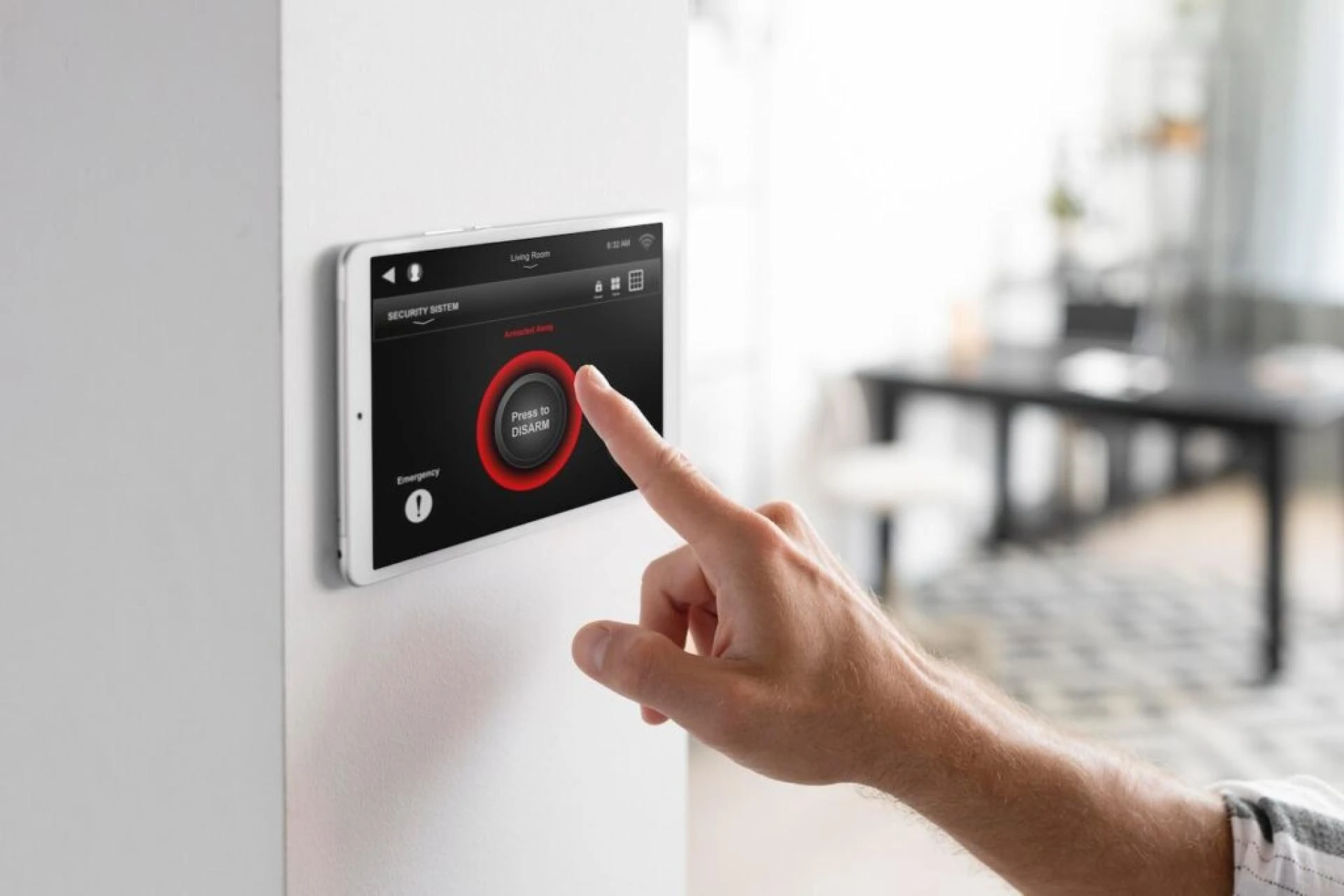
Smart Technology: Integration with smart home systems is becoming increasingly common. Overhead doors can now be operated via smartphone apps, voice assistants, and automated schedules.
Sustainability: Eco-friendly materials and energy-efficient designs are gaining popularity. Insulated doors, sustainable materials, and energy-efficient manufacturing processes are becoming standard.
Enhanced Security Features: Modern overhead doors integrate advanced security features such as biometric access, real-time monitoring, and automated locking mechanisms.
Customization: Consumers are demanding more customization options. Manufacturers are responding by offering a wider range of materials, finishes, and designs to meet diverse aesthetic and functional needs.
Durability and Maintenance: Innovations in materials and design are making overhead doors more durable and easier to maintain.
Conclusion
Since their invention, overhead doors have come a long way. They have become an essential component of both residential and commercial buildings, offering numerous benefits in terms of space efficiency, security, insulation, convenience, and aesthetic appeal. As technology continues to advance, the future of overhead doors looks promising, with smart technology, sustainability, enhanced security, customization, and durability at the forefront of new developments.

























Sign in to leave a comment.