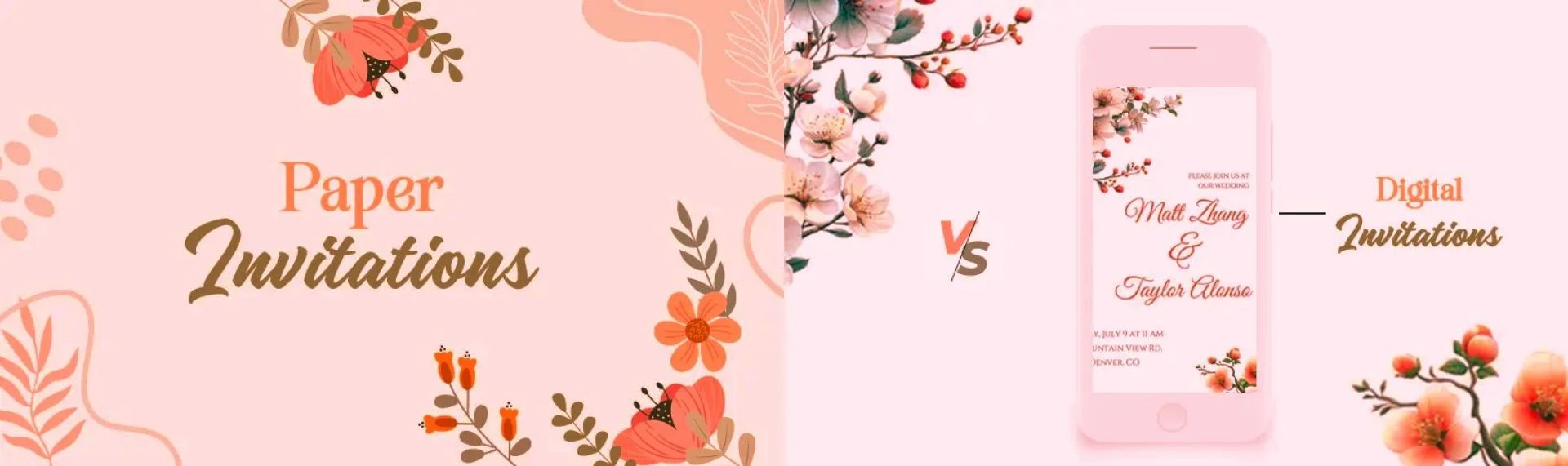

In today's fast-paced, digital world, event planning has evolved significantly. One of the most noticeable changes is how invitations are sent. Gone are the days when paper invitations were the only choice. With the rise of technology, Digital Invitations vs Paper Invitations has become a hot topic for event hosts everywhere. But which one is right for your special occasion? In this blog, we’ll dive into the benefits and drawbacks of both options, helping you make an informed decision that aligns with your needs.
What Are Digital Invitations?
Digital invitations are electronic invitations sent via email, text messages, or shared through social media platforms and event apps. They offer instant delivery and can include multimedia elements like videos, music, and interactive RSVP features. Digital invitations have become especially popular due to their convenience and environmental benefits.
The Traditional Charm of Paper Invitations
On the other hand, paper invitations exude a sense of tradition and formality. These physical invites often come with beautiful designs, embossed text, and are a tangible representation of the event. Paper invitations can be sent via traditional mail or hand-delivered, making them more personal and memorable for guests.
Digital Invitations vs Paper Invitations: The Pros and Cons
To truly understand which invitation method suits your event best, it’s essential to look at both the benefits and drawbacks of each. Here's a breakdown:
Pros of Digital Invitations
- Cost-Effective: Digital invitations eliminate the cost of printing, mailing, and postage fees.
- Instant Delivery: Guests receive invitations immediately, reducing the time it takes to plan an event.
- Environmentally Friendly: With no paper or ink used, digital invitations are a sustainable choice for eco-conscious event planners.
- Customizable: You can easily incorporate videos, animations, and links to registries, making the invitation unique and interactive.
- RSVP Tracking: Digital invitations often come with automatic RSVP tracking, making guest management a breeze.
- Convenience: Guests can respond instantly and keep the invite on their phones or calendars for easy access.
Cons of Digital Invitations
- Impersonal: Some guests may feel that digital invitations lack the personal touch that paper invites offer.
- Technology Barriers: Not all guests may be comfortable with digital platforms, especially older individuals who prefer physical invitations.
- Risk of Oversight: Digital invitations could be lost in spam folders or ignored if not properly designed.
Pros of Paper Invitations
- Elegance and Formality: Paper invitations carry an air of sophistication and are often seen as more formal, especially for weddings or high-end events.
- Tangible Keepsake: Guests often keep paper invitations as mementos of the occasion, especially for milestone events like weddings or anniversaries.
- Personal Touch: Handwritten notes or bespoke designs can add a personal flair, making guests feel extra special.
Cons of Paper Invitations
- Costly: Paper invitations can be expensive, especially when factoring in printing, envelopes, and postage.
- Time-Consuming: Preparing and mailing paper invitations can take time, especially if the guest list is large.
- Environmental Impact: The use of paper, ink, and postage can lead to higher carbon footprints, which is a growing concern for environmentally conscious event hosts.
- No Instant Feedback: Without an online RSVP system, tracking guest responses can be more complicated.
Which One Should You Choose?
When it comes to Digital Invitations vs Paper Invitations, the best choice really depends on your event type, budget, and personal preferences. Consider the following:
- Event Type: For casual events, like birthday parties or informal gatherings, digital invitations are often more than enough. However, for formal events like weddings or gala dinners, paper invitations might be the better choice to set the tone.
- Guest Demographics: If your guest list includes a lot of older individuals who may not be as tech-savvy, paper invitations could feel more appropriate. On the other hand, a younger, tech-forward crowd will likely appreciate the convenience of digital invitations.
- Budget: If you're working with a limited budget, digital invitations can save you money without compromising the aesthetic of your invite. However, if your budget allows for it, and you want to make a lasting impression, paper invitations can be a luxurious touch.
How to Make the Best of Both Worlds
In some cases, why not combine both methods? Send digital invitations for a quick and eco-friendly RSVP, but follow up with a paper invitation for formal touchpoints or special details. This hybrid approach can give you the flexibility of both worlds.
Conclusion: The Verdict on Digital Invitations vs Paper Invitations
Ultimately, the decision between digital and paper invitations comes down to your event's goals, audience, and budget. Digital Invitations vs Paper Invitations is not just a comparison of technology and tradition, but also a reflection of the host’s values—whether it’s sustainability, cost-effectiveness, or timeless elegance. Each has its place in modern event planning, so weigh the pros and cons carefully to ensure your event invitation aligns with the vibe and impact you're looking to achieve.
By evaluating your unique needs and preferences, you'll make an informed choice that both you and your guests will appreciate.

























Sign in to leave a comment.