Introduction
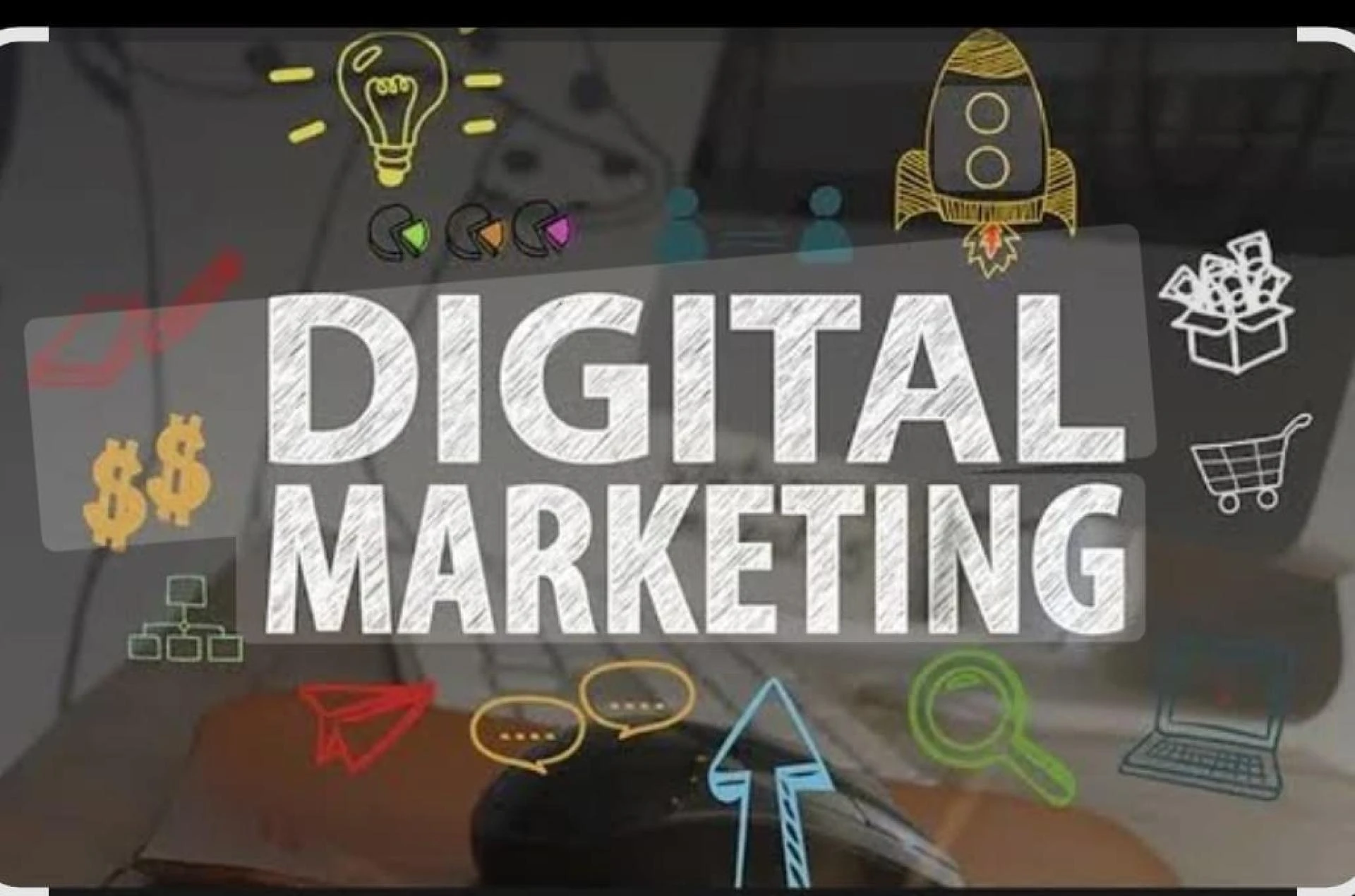
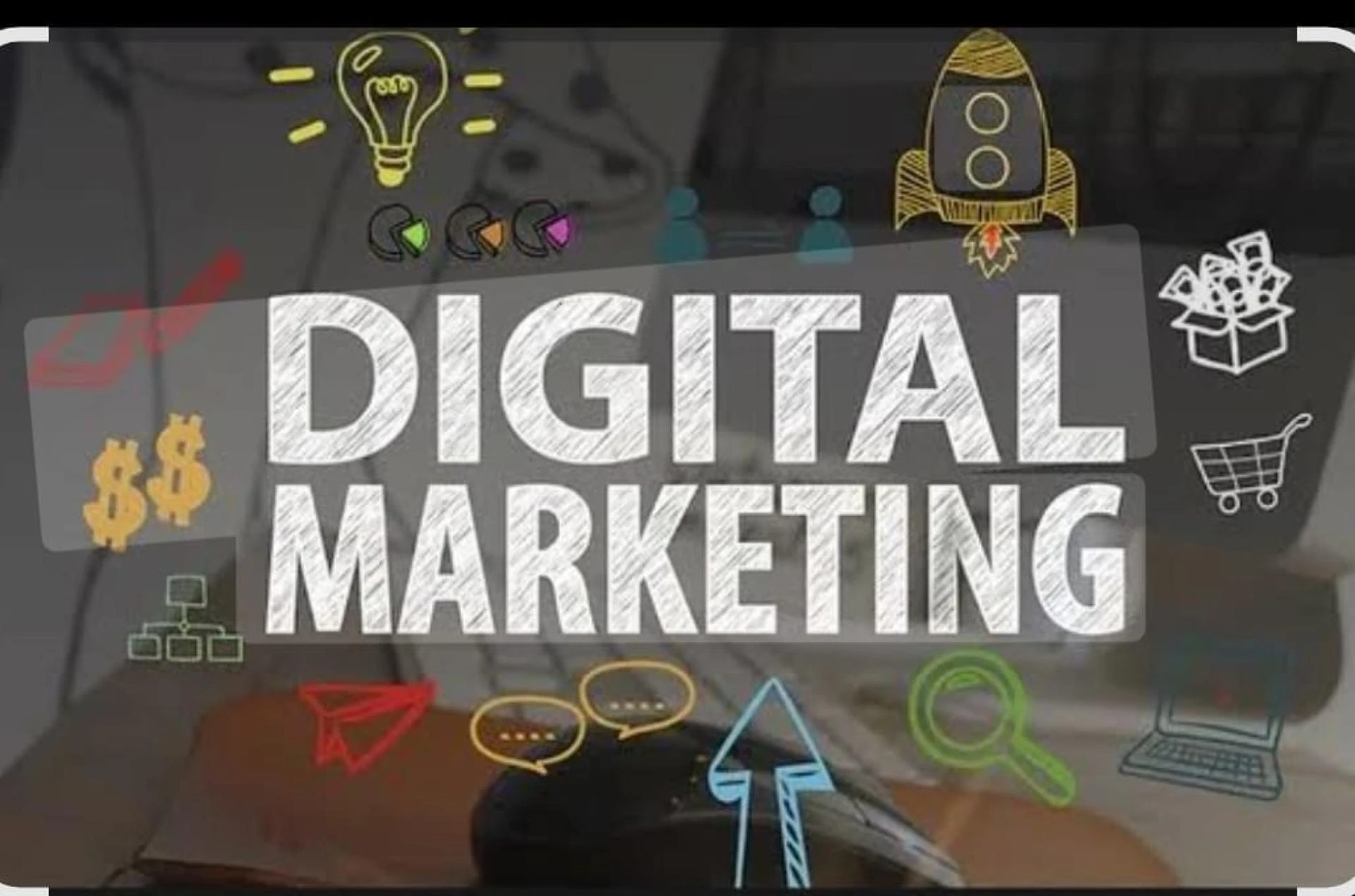
Digital marketing has become the backbone of every modern business in 2025. Whether you are running a small shop, a startup, or a global brand, your customers are active online—searching, scrolling, comparing, and buying products on digital platforms. Because of this shift, businesses must use digital marketing strategies to increase visibility, attract relevant audiences, and achieve long-term business growth.
In simple words, digital marketing refers to all promotional activities done through the internet or electronic devices. It includes SEO, social media marketing, email marketing, content marketing, paid ads, and more. This article explains how digital marketing works, why it is important, and how businesses can use it effectively.
What Is Digital Marketing?
Digital marketing is the process of promoting products or services using online channels such as:
Search Engines (Google, Bing)
Social Media (Facebook, Instagram, YouTube, LinkedIn)
Websites & Blogs
Mobile Applications
Email Platforms
Online Advertising Networks
Digital marketing helps brands reach the right audience at the right time using analytical data, consumer behavior, and personalized content.
Why Digital Marketing Is Important in 2025
1. Online Shopping Boom
E-commerce has grown massively. People prefer buying online rather than visiting physical stores. Therefore, businesses need strong online visibility.
2. Targeted Marketing
Digital platforms allow brands to target customers based on age, interest, location, buying behavior, and more.
3. Cost-Effective Compared to Traditional Marketing
Running online ads or creating SEO-optimized content is cheaper and more effective than TV, radio, or newspaper advertising.
4. Measurable Results
Businesses can track clicks, leads, sales, audience behavior, and ROI in real time.
5. Helps Build Brand Awareness
Strong digital marketing builds brand trust and helps businesses become industry leaders.
Types of Digital Marketing
1. Search Engine Optimization (SEO)
SEO helps make your website rank higher on Google. When users search for something related to your business, SEO ensures your website appears at the top.
Benefits: organic traffic, long-term results, high brand trust.
2. Social Media Marketing (SMM)
Using platforms like Facebook, Instagram, TikTok, LinkedIn, and YouTube to promote your product, engage with customers, and build brand awareness.
Benefits: huge audience reach, better engagement, strong brand reputation.
3. Content Marketing
Creating helpful and valuable content like blogs, videos, infographics, and guides to attract and educate customers.
Benefits: increases authority, improves SEO, builds trust.
4. Email Marketing
Sending targeted emails to customers for promotions, updates, and personalized communication.
Benefits: high conversion rate, low cost, direct customer connection.
5. Pay-Per-Click (PPC) Advertising
Paid ads on Google, Facebook, Instagram, and YouTube to quickly attract leads and sales.
Benefits: instant visibility, better audience targeting, measurable ROI.
6. Influencer Marketing
Collaborating with influencers to promote products to their followers.
Benefits: authentic marketing, high trust value.
7. Affiliate Marketing
Partners promote your products and earn a commission for each sale.
Benefits: low risk, high sales potential.
How Digital Marketing Works
Digital marketing works on consumer data, analytics, and targeted communication.
Here’s how:
1. Understanding your audience
Identify your customer’s needs, preferences, and online behavior.
2. Creating a marketing strategy
Decide which platforms to use—SEO, social media, email, ads, etc.
3. Content creation
Develop meaningful, engaging content based on customer interest.
4. Promotions & distribution
Publish the content through various digital channels.
5. Monitoring & optimization
Track performance and improve strategies for better results.
Benefits of Digital Marketing for Businesses
✔ More Lead Generation
Digital marketing helps attract potential customers who are already interested in your product.
✔ Brand Building
Online presence increases brand visibility and trust.
✔ Better Conversion Rate
With the right strategy, visitors can convert into buyers easily.
✔ 24/7 Availability
Your business remains online and discoverable anytime.
✔ Personalized Customer Experience
Brands can deliver tailored content and offers based on customer behavior.
Challenges in Digital Marketing
Even though digital marketing is powerful, it comes with challenges:
High competition
Constant algorithm updates
Need for consistent content
Managing data privacy
Measuring accurate ROI
Increasing cost of paid ads
Building long-term engagement
Businesses must stay updated and adapt their strategies regularly to succeed.
Future of Digital Marketing in 2025 and Beyond
The future is shaped by AI, automation, and advanced analytics.
Some emerging trends include:
AI-powered chatbots
Voice search optimization
Video-first content strategy
Personalized customer journeys
Data-driven marketing
AR/VR-based ad experiences
Businesses that adopt these trends early will lead the market.
Conclusion
Digital marketing is no longer optional—it is essential for every business in 2025. With the right mix of SEO, social media marketing, email campaigns, paid ads, and content creation, brands can succeed in today’s competitive online landscape. The digital marketplace will continue to grow, and businesses that invest in digital strategies will achieve long-term growth, better customer relationships, and a stronger brand identity.
Digital marketing is the smart way forward—effective, measurable, and powerful.




























Sign in to leave a comment.