
Introduction
In today's digital world, traditional marketing methods no longer suffice. Businesses of all sizes need to adapt to the rapid changes in the digital landscape. Digital marketing is no longer optional; it’s a necessity. By leveraging a range of online platforms and techniques, businesses can connect with their audience, build brand awareness, and drive sales. This blog will guide you through the essential components of digital marketing, providing you with effective strategies to boost your business growth.
What is Digital Marketing?
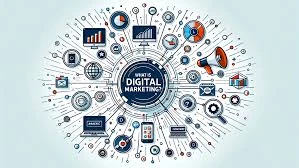
Digital marketing refers to the use of online platforms, tools, and channels to promote products, services, or brands to a target audience. This type of marketing leverages the internet and electronic devices to reach a broader audience. Digital marketing can include a wide range of strategies, such as Search Engine Optimization (SEO), content marketing, social media marketing, email marketing, and paid advertising.
Key Components of Digital Marketing
- Search Engine Optimization (SEO) SEO is a crucial part of digital marketing, focused on optimizing your website to rank higher on search engine result pages (SERPs). A higher ranking increases visibility and drives organic traffic to your site. By implementing effective SEO practices such as keyword research, on-page SEO, and link-building, businesses can improve their search engine rankings and attract potential customers.
- Content Marketing Content is king in the digital world. High-quality, informative, and engaging content can establish your brand as an industry leader and build trust with your audience. Blog posts, videos, infographics, and podcasts are all part of a successful content marketing strategy. By creating valuable content that resonates with your target market, you can drive more traffic and build long-term relationships with your customers.
- Social Media Marketing Social media platforms like Facebook, Instagram, Twitter, LinkedIn, and TikTok are vital tools for engaging with customers and promoting your brand. These platforms allow you to directly interact with your audience, share content, and run paid advertising campaigns. Consistent and strategic use of social media can help you boost brand awareness, increase customer loyalty, and drive conversions.
- Email Marketing Despite being one of the oldest digital marketing strategies, email marketing remains highly effective. Personalized emails, newsletters, and promotional offers can directly reach your audience’s inbox. Building a strong email list and sending targeted messages based on customer behavior and preferences can increase engagement and drive more sales.
- Paid Advertising (PPC) Pay-per-click (PPC) advertising is a powerful way to get immediate visibility and drive traffic to your website. Platforms like Google Ads, Facebook Ads, and LinkedIn Ads allow businesses to target specific audiences based on their interests, demographics, and behavior. PPC campaigns can yield high returns when optimized correctly and are particularly useful for businesses that need quick results.
Benefits of Digital Marketing
Cost-Effective:
Digital marketing often offers a lower cost compared to traditional marketing methods. Small businesses, in particular, can benefit from the relatively low costs of online advertising and social media marketing.
Better Targeting and Personalization:
With digital marketing, you can target specific demographics based on behavior, interests, location, and more. Personalization is key to improving customer experiences and increasing conversions.
Measurable Results
One of the major advantages of digital marketing is the ability to track performance. Tools like Google Analytics, social media insights, and email open rates allow businesses to measure the effectiveness of their campaigns and make data-driven decisions.
Global Reach
The internet has a global reach, allowing businesses to target customers around the world. Whether you’re a local business looking to expand or a global brand wanting to deepen your online presence, digital marketing gives you the ability to reach a wide audience.
Increased Engagement
Digital marketing provides numerous opportunities for businesses to interact with customers. Whether through comments on social media, feedback on blogs, or responses to emails, businesses can engage in two-way conversations that help build stronger relationships.
Conclusion
Digital marketing is no longer just an option but an essential strategy for business success. By leveraging the power of SEO, content marketing, social media, and paid advertising, businesses can not only reach more customers but also build long-lasting relationships that lead to growth. The key to success in digital marketing lies in understanding your audience, creating compelling content, and continually optimizing your campaigns to meet your goals.




Sign in to leave a comment.