


I've spent enough time around digital marketing, watching people succeed at it and fail at it in roughly equal measure, to notice something odd. The people who do well at this rarely talk about it the way the industry does. No funnels, no frameworks, no seven-step formulas. They talk about it more like gardening. You plant something, you pay attention, you adjust when it's not growing right, and mostly you just keep showing up long after it stopped being exciting.
That's not a very sellable idea, which might be why nobody puts it on a course landing page. But it's closer to the truth than most of what gets written about this stuff.
I want to write this for anyone reading it, wherever you happen to be. A small shop owner in Lagos is trying to figure out Instagram. A freelancer in Manila is building a client list one referral at a time. Someone in Toronto is switching careers into this field entirely. The channels look different depending on where you are, the platforms your customers actually use, the language your ads need to speak in, but the underlying stuff, the part that actually determines whether any of it works, turns out to be almost identical everywhere.
Everyone's Fighting for the Same Thing
Regardless of country, platform, or budget size, every single business online is competing for the exact same finite resource: a stranger's attention for about three seconds before they scroll past. That's really the whole game, stripped down. Everything else, the ad copy, the SEO, the email subject lines, exists purely to earn a few more seconds than the competitor also fighting for that same attention.
Once you see it this way, a lot of marketing advice starts sounding different. "Post consistently" isn't really about consistency for its own sake. It's about staying in the running long enough that when someone's actually ready to buy, you're the name they remember, not just one of forty they scrolled past that week.
The Channels Change, the Instinct Doesn't
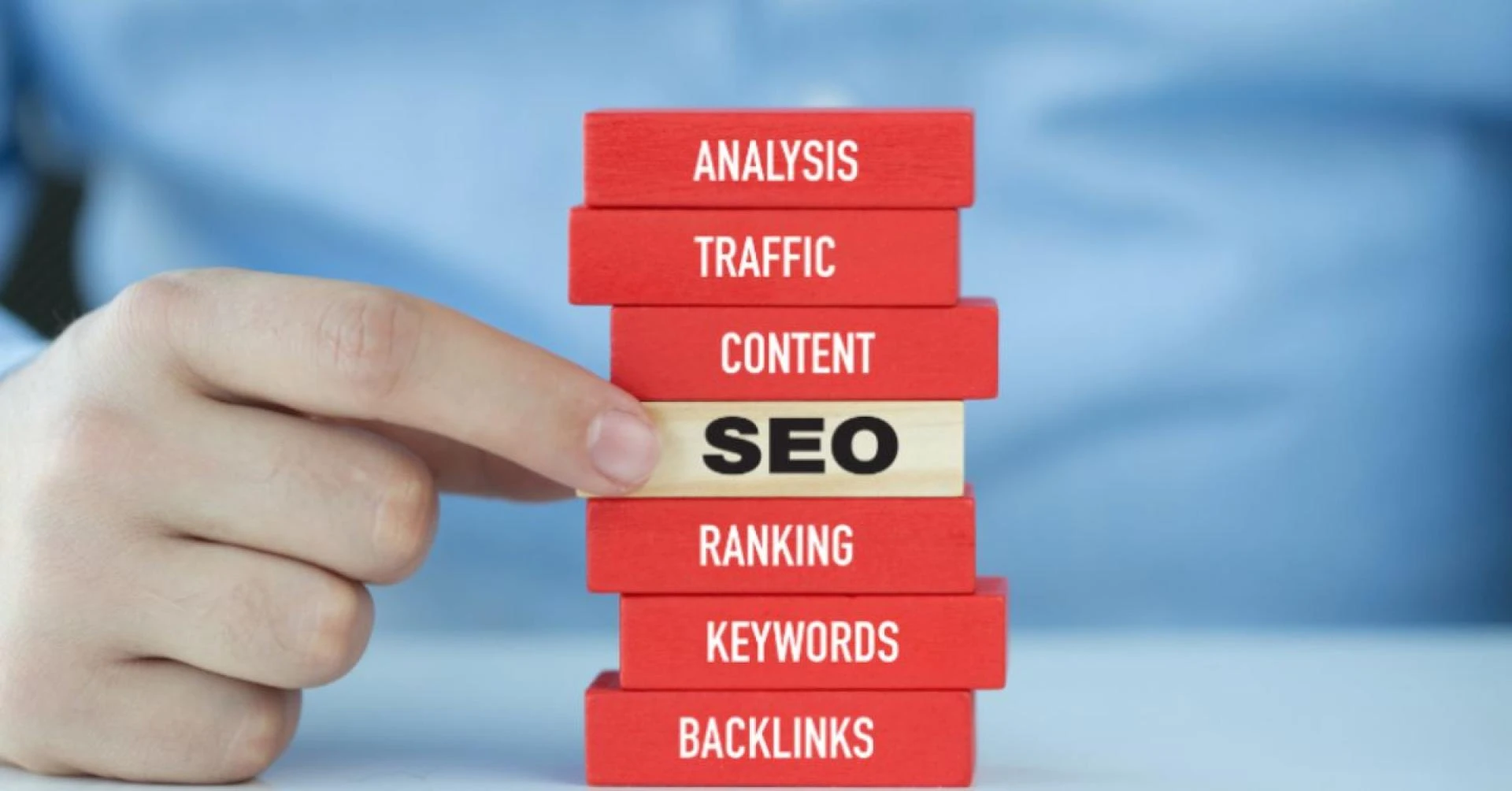
I've watched people obsess over which platform is "best" right now, and honestly, that question misses the point a bit. Search engines matter because people go looking for answers when they have a real problem. Social media matters because people spend idle time there, and brands that feel human rather than corporate get noticed in that idle time. Email still works, oddly well, actually, because it's one of the few channels a business truly owns rather than rents from an algorithm that could change tomorrow.
None of that is platform-specific. It works whether you're targeting customers in Mumbai or Melbourne. What changes by country and culture are tone, timing, and the platform your specific audience actually spends time on. The mechanics underneath stay the same.
Most People Skip the Boring Part
Here's something I've noticed that nobody likes admitting. The businesses that do well at digital marketing usually aren't more creative than everyone else. They're just more willing to sit with the boring part, checking what's actually converting, killing what isn't, adjusting instead of restarting from scratch every time something underperforms.
Creativity gets all the credit in this industry, understandably, since it's the visible part. But the quiet work of measurement and adjustment is where most of the real gains actually come from, and it's precisely the part most people avoid because it isn't fun.
If You're Trying to Actually Learn This Properly
A fair number of people reading this are probably at the point of wondering whether to teach themselves or get proper training, and that's worth taking seriously rather than winging entirely. Self-teaching works, but it tends to leave gaps you don't notice until they've already cost you something. A structured course, wherever you're based, tends to close those gaps faster than scattered videos ever will. For readers specifically exploring options in eastern India, there's a solid comparison of digital marketing courses in Kolkata worth a look if that's relevant to you, though the same logic applies no matter where you happen to be reading this from. Find something structured, taught by people who've actually done the work, not just people teaching the theory of it.
Nobody's Really an Expert Forever
One more thing worth saying honestly. Anyone who tells you they've mastered digital marketing and there's nothing left to learn is either lying or hasn't been paying attention. The platforms shift constantly. What worked brilliantly two years ago sometimes barely works at all today. The people who last in this field aren't the ones who found the perfect formula and stopped adjusting. They're the ones comfortable admitting, again and again, that they don't fully know what's going to work next, and staying curious enough to find out anyway.
That's really it. Not a secret, not a hack, not a system. Just attention, patience, and a willingness to keep paying closer notice than the business down the street, wherever in the world that street happens to be.



























Sign in to leave a comment.