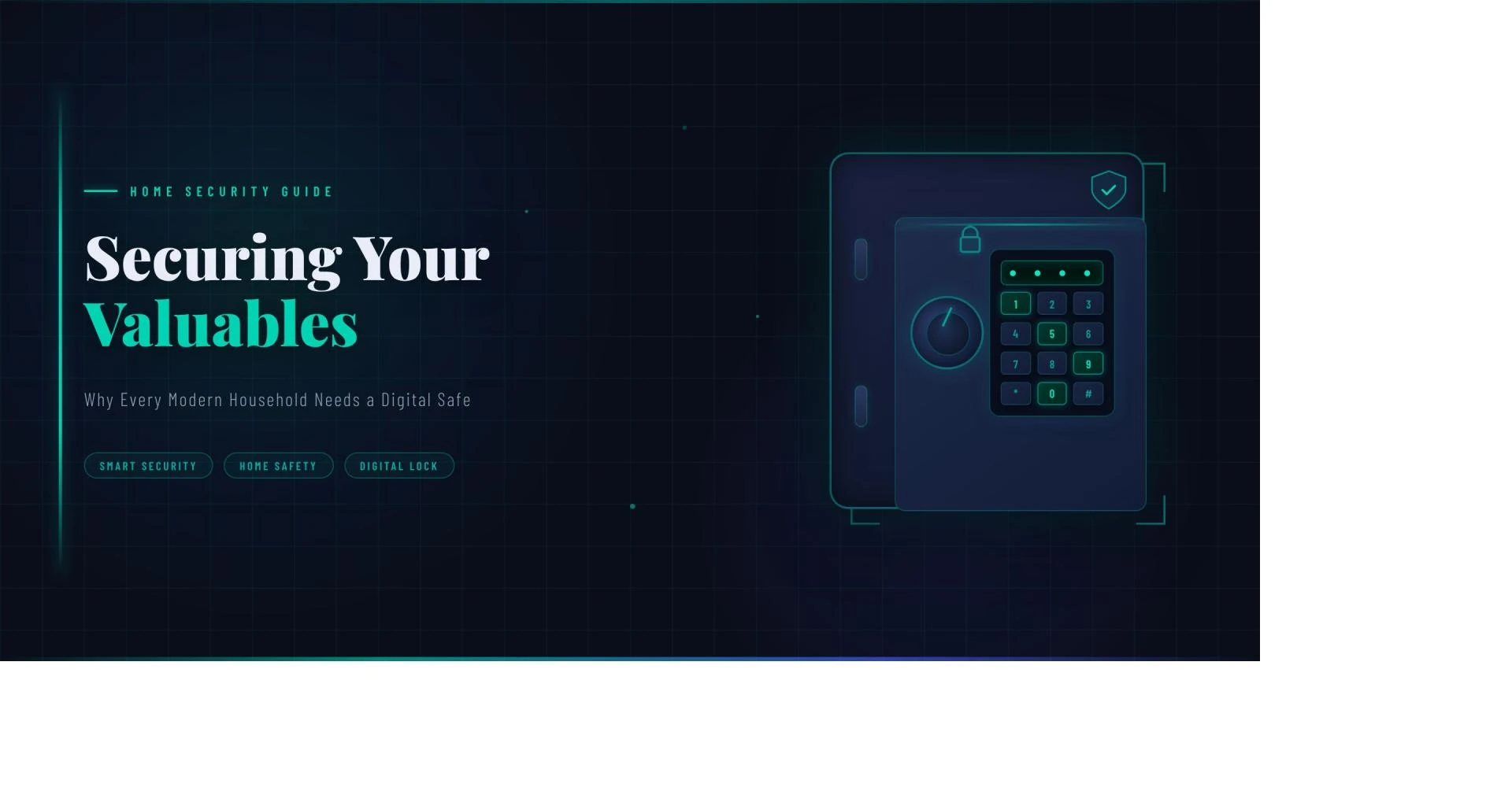
While we focus on cybersecurity, we often overlook the physical security of our tangible assets. Passports, deeds, jewelry, and emergency cash often sit in unlocked drawers. Upgrading to a digital safe is a fundamental step in modern home management, offering peace of mind that a simple cabinet cannot provide.
The Evolution of Home Security
Modern security has shifted toward electronic interfaces for faster access. When searching for the right digital safe locker for home, homeowners now prioritize biometric scanning and backlit keypads. These units are user-friendly yet difficult for unauthorized individuals to bypass. Most include emergency override keys, ensuring access even if batteries fail or codes are forgotten.
Key Benefits of a Digital Safe Locker
Quick Access: In emergencies, a digital code can be entered in seconds - no fumbling for keys.
Customizable Security: You can change your PIN frequently, which is ideal if you’ve shared it with temporary guests.
Multiple Profiles: High-end models allow different codes for family members and keep an audit trail of when the safe was opened.
Theft Deterrence: A heavy-duty steel safe bolted to the floor is a major deterrent for burglars.
What to Look for Before Buying
Consider these specifications to ensure you get the most out of your digital safe:
Capacity: Audit what you plan to store, from small jewelry to 15-inch laptops.
Fire Resistance: Look for "fire-rated" labels to protect documents from natural disasters.
Locking Mechanism: Choose "live-locking" bolts - the heavy metal cylinders that slide into the frame.
Power Alerts: Ensure the safe has a low-battery warning to avoid being caught off guard.
A safe is only effective if placed correctly. While the master bedroom is common, it’s the first place thieves look. Consider less obvious locations like a pantry, basement nook, or bolted inside a heavy furniture piece.





Sign in to leave a comment.