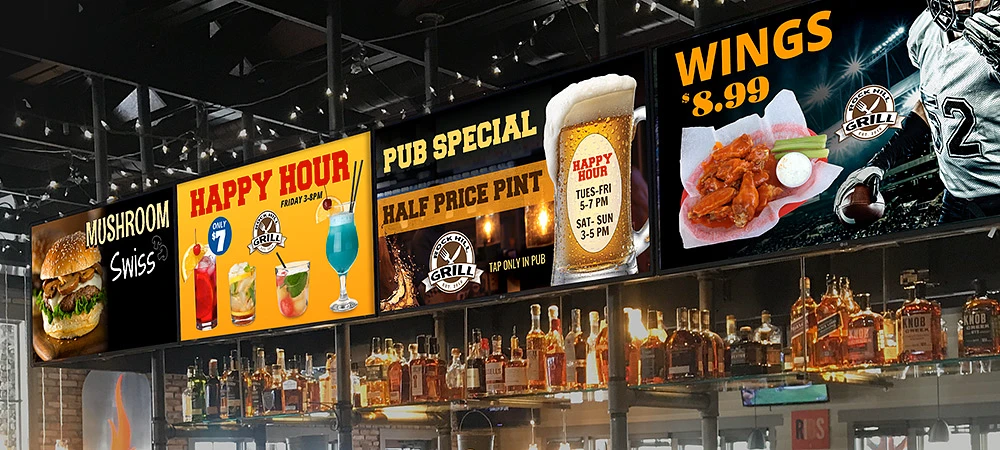
Remember the faded poster on your window or the outdated menu board behind the counter? That era is over. Today, dynamic digital signage has replaced static signs, transforming how businesses communicate. But what exactly is digital signage? Simply put, it’s a network of screens—from TVs to interactive kiosks—controlled by software to display targeted content like videos, promotions, menus, and live data.
This shift from paper to pixel is driven by a simple need: capturing attention in a fast-moving world. For modern businesses, especially in retail, digital signage has become essential for marketing, operations, and customer experience. The best systems do more than display images—they engage, inform, and influence behavior in real time.
Digital signage hardware—screens and media players—works with software that lets you schedule, manage, and update content remotely. Any screen can become a versatile canvas for advertising and communication. This guide will walk you through everything you need to know.
What Is a Digital Signage System?
A digital signage system is a centralized, software-driven network of digital displays used to communicate dynamic information, advertising, and content to a targeted audience. Its core purpose is to replace static, one-way communication with engaging, timely, and easily managed visual messaging.
The system is comprised of two main components: digital signage software, which acts as the brain for content creation, scheduling, and remote management, and digital signage hardware, which includes the physical screens, media players, and mounts that serve as the canvas.
The shift from traditional signage represents a fundamental upgrade in capability and strategy. The key differences are stark, as shown in the comparison below:
| Aspect | Traditional Static Signage | Modern Digital Signage System |
| Content | Fixed, printed material. Physically replaced. | Dynamic. Can display video, animations, live data, social feeds, and interactive content. Updated instantly from a dashboard. |
| Engagement | Passive viewing. One-way communication. | Active & engaging. Can capture attention with motion, interactivity, and real-time relevance. |
| Operational Cost | Lower upfront cost, but ongoing material, printing, and labor costs for changes. | Higher initial investment, but significantly lower long-term costs for content updates and management. |
| Flexibility & Agility | Slow to change. Campaigns are fixed for the duration of the print. | Extremely agile. Content can be scheduled by time of day, changed for promotions, or updated instantly for emergencies. |
| ROI & Analytics | Difficult to measure impact beyond basic estimates. | Digital signage advertising impact can be tracked through integration with other systems, allowing for data-driven optimization. |
This versatile technology is no longer niche; it's a critical tool across industries where visual communication matters:
Retail: Retail digital signage is ubiquitous, used for promotional ads, wayfinding, highlighting reviews, and reducing perceived wait times at checkout. It's a key component of the best digital signage system for influencing in-store purchase decisions.
Restaurants & Quick Service Restaurants (QSRs): Digital menu boards streamline ordering, showcase high-margin items with enticing visuals, and allow for real-time price or item updates, eliminating the need for costly reprinted menus.
Liquor Stores: For age-restricted environments, digital displays can promote new arrivals, suggest pairings, and run responsible consumption messages, all while maintaining a modern, high-quality store image.
Corporate Offices: Used for internal communications, welcoming visitors, displaying KPIs, room scheduling, and reinforcing company culture, keeping a distributed workforce informed and aligned.
Healthcare: Provides wayfinding, reduces patient anxiety with calming content, shares health education, and displays wait times, improving the overall patient and visitor experience.
Education: Enhances communication through digital bulletin boards, event promotions, emergency alerts, and daily announcements, effectively reaching students and staff in high-traffic areas.
Hospitality: From lobby welcome screens and digital concierges to elevator displays and event directories, digital signage elevates the guest experience by providing timely information and enhancing ambiance.
How Digital Signage Systems Work (Step-by-Step)
A professional digital signage system operates through an automated, software-driven workflow. This process turns static content into scheduled, dynamic on-screen communications, all managed from a central platform. Here's the streamlined, five-step chain that makes it function.
Step 1: Create or Upload Content
Design or import visuals (graphics, videos) using digital signage software tools, or upload existing files to your media library.
Step 2: Manage Content Using CMS
Organize all assets within the content management system (CMS), the command center of your digital signage software, for easy access and control.
Step 3: Schedule Content Playback
Use the CMS to automate when and where content plays, which is crucial for targeted digital signage advertising and timely messaging.
Step 4: Content Delivery to Media Players
The CMS pushes scheduled content over the network to the digital signage hardware—the media players attached to each screen.
Step 5: Display Content on Screens
Media players decode and show the content on the displays in real time, completing the automated cycle from dashboard to screen.
Why Digital Signage Matters for Businesses
Moving beyond static signs to a dynamic digital signage system is a strategic upgrade that delivers measurable business advantages. It transforms passive displays into active tools that influence customer behavior, streamline operations, and protect your brand.
Improves Customer Engagement
Dynamic content captures attention more effectively than static prints. Motion, video, and real-time information turn simple viewing into an engaging experience, directly increasing dwell time and message retention.
Boosts Sales and Promotions
Digital signage advertising allows for eye-catching promotion of high-margin items, flash sales, or featured products at the point of decision, directly influencing purchasing behavior and increasing average transaction value.
Enhances Brand Consistency
A centralized digital signage software platform ensures every screen across all locations displays on-brand, approved content. This presents a professional, unified image that builds trust and brand equity.
Saves Time and Operational Costs
Eliminate the recurring costs and labor of printing, shipping, and manually replacing physical signs. Updates across an entire network of digital signage hardware are made instantly from one dashboard.
Flexibility in Advertisements
Change campaigns, menus, or messages in minutes to respond to market trends, inventory levels, or time of day. This agility makes your retail digital signage a responsive marketing asset, not a fixed cost.
Supports Compliance & Communication
Ensure mandatory notices, safety information, or regulatory disclaimers are always displayed correctly and updated immediately when required, reducing risk and improving internal communication.
How to Choose the Right Digital Signage System?
Selecting the best digital signage system is an investment in your business's communication infrastructure. The right choice aligns technology with your specific operational needs and growth plans. Focus on these key decision factors to find a solution that delivers lasting value.
Check Features
Evaluate the core capabilities of digital signage software. Prioritize user-friendly content creation tools, reliable scheduling, remote management, and support for various media formats. Essential features for retail digital signage might include integration with POS or inventory systems for dynamic pricing and promotions.
Business Size and Goals
Align the system with your objectives. A small cafe may need a simple, single-screen menu board, while a multi-location retailer requires a networked solution for centralized digital signage advertising and brand control. Define your primary goal: is it boosting sales, improving internal communication, or enhancing customer experience?
Number of Screens and Locations
The scale of your deployment dictates technical needs. A single location needs a straightforward setup, while multiple sites require robust network management and cloud-based digital signage software for centralized control. Consider the physical digital signage hardware (screen size, type, and mounting) needed for each unique space.
Budget Considerations
Look beyond the initial purchase price of digital signage hardware. Factor in the total cost of ownership, including software subscriptions, content creation resources, installation, maintenance, and potential future upgrades. A slightly higher upfront cost for a more robust system can prevent costly replacements later.
Scalability and Futureproofing
Choose a system that can grow with your business. Can the digital signage software easily handle adding more screens or locations? Is the digital signage hardware from a vendor with a clear upgrade path? Your chosen platform should adapt to new content trends and technologies without requiring a complete overhaul.
Vendor Support and Reliability
The provider is as important as the product. Assess the vendor's reputation for customer service, technical support responsiveness, and software update frequency. Reliable vendor support ensures minimal downtime and helps you maximize the return on your investment, turning the system into a dependable operational asset.
Wrapping Up
Transitioning to a dynamic digital signage system moves beyond upfront cost to deliver significant long-term savings and operational efficiency. By eliminating recurring material and labor expenses of static signage, it streamlines management and enhances agility.
This makes it a valuable strategic investment. The best digital signage system is not an expense but a tool for growth—driving engagement, ensuring brand consistency, and enabling responsive digital signage advertising.
Adopt digital signage software and hardware not just to display content, but to build a more communicative, efficient, and modern business. The right system transforms screens into a measurable asset for the future.



Sign in to leave a comment.