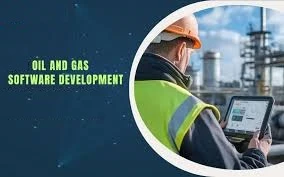

The oil and gas industry is under constant pressure to optimize production, reduce operational risks, ensure safety compliance, and control costs. As assets grow more complex and margins tighten, companies are turning to advanced digital technologies to stay competitive. One of the most transformative technologies in recent years is the digital twin.
Digital twins are reshaping how oil and gas companies design, build, operate, and maintain assets across the entire lifecycle. From exploration to decommissioning, digital replicas of physical assets provide real-time visibility, predictive insights, and operational intelligence that drive smarter decisions.
In this article, we explore how digital twins work, their key use cases across the oil and gas lifecycle, and the strategic benefits they offer.
What Is a Digital Twin in Oil & Gas?
A digital twin is a dynamic, virtual representation of a physical asset, system, or process. It continuously receives real-time data from sensors, IoT devices, SCADA systems, and enterprise platforms to mirror the current state of the asset.
In oil and gas operations, digital twins can represent:
- Oil rigs and drilling equipment
- Pipelines and compressor stations
- Refineries and processing plants
- Storage facilities and transportation systems
An experienced oil and gas software development company builds digital twin platforms by integrating IoT, cloud computing, AI/ML, and advanced analytics to create intelligent, real-time models of physical assets.
Digital Twins Across the Oil & Gas Lifecycle
1. Exploration and Reservoir Modeling
In the exploration phase, companies rely heavily on geological data, seismic surveys, and simulation models. Digital twins enhance traditional reservoir models by integrating real-time production data and continuously updating subsurface models.
Use Cases:
- Improved reservoir simulation accuracy
- Production forecasting
- Scenario testing for drilling strategies
- Risk reduction in exploratory drilling
By using advanced oil and gas software development services, companies can build data-driven reservoir twins that improve decision-making and reduce the uncertainty associated with exploration investments.
2. Drilling and Well Construction
Drilling operations are capital-intensive and highly sensitive to downtime. Digital twins of drilling rigs and wellbores allow operators to simulate drilling conditions before execution.
Use Cases:
- Drill path optimization
- Torque and drag modeling
- Real-time monitoring of drilling parameters
- Early detection of anomalies
With customized oil and gas app development services, field engineers can access live twin dashboards on mobile devices, enabling faster response times and reducing non-productive time (NPT).
3. Production and Asset Performance Management
During production, digital twins provide continuous insight into equipment health, flow rates, pressure levels, and performance metrics.
Use Cases:
- Predictive maintenance of pumps and compressors
- Production optimization
- Real-time equipment diagnostics
- Bottleneck identification
Instead of reacting to equipment failures, companies can proactively address issues. A robust digital twin platform developed by a specialized oil and gas software development company helps extend asset life and reduce unplanned shutdowns.
4. Pipeline and Transportation Monitoring
Pipelines span hundreds or even thousands of kilometers, making monitoring and maintenance complex. Digital twins enable real-time pipeline surveillance and predictive analysis.
Use Cases:
- Leak detection and location tracking
- Corrosion monitoring
- Flow optimization
- Emergency response simulation
Advanced oil and gas software development services integrate GIS, IoT sensors, and AI models into a centralized digital twin dashboard, enabling operators to respond quickly to potential risks.
5. Refining and Processing Operations
Refineries involve complex, interconnected systems operating under high pressure and temperature conditions. A digital twin of a refinery can simulate operations and optimize performance.
Use Cases:
- Energy consumption optimization
- Process simulation and control
- Shutdown planning and turnaround management
- Safety scenario modeling
By leveraging oil and gas app development services, plant managers can monitor performance from anywhere, gaining complete visibility across critical operations.
Struggling with downtime & asset failures? Transform operations with expert oil and gas software app development services.
6. Decommissioning and Lifecycle Extension
At the end of an asset’s lifecycle, digital twins assist in planning decommissioning activities safely and cost-effectively.
Use Cases:
- Structural integrity analysis
- Environmental impact assessment
- Lifecycle extension feasibility studies
- Cost forecasting
A well-designed digital twin solution supports regulatory compliance and minimizes environmental risks.
Key Benefits of Digital Twins in Oil & Gas
1. Improved Operational Efficiency
Digital twins provide real-time operational insights, enabling data-driven decisions. By identifying inefficiencies and optimizing processes, companies can increase production output while reducing operational costs.
2. Predictive Maintenance and Reduced Downtime
Unplanned downtime is one of the most significant cost drivers in oil and gas. Digital twins analyze historical and real-time data to predict equipment failures before they occur, allowing scheduled maintenance instead of reactive repairs.
3. Enhanced Safety and Risk Management
Oil and gas environments are inherently hazardous. Digital twins simulate high-risk scenarios, helping companies improve safety protocols and reduce accidents. Real-time monitoring ensures early detection of abnormal conditions.
4. Better Capital Planning
Digital twins enable scenario modeling for CAPEX and OPEX decisions. Companies can test investment strategies virtually before committing resources, reducing financial risks.
5. Sustainability and Environmental Compliance
With increasing focus on ESG and environmental regulations, digital twins help monitor emissions, energy usage, and environmental impact. This supports sustainability goals and regulatory compliance.
Challenges in Implementing Digital Twins
While digital twins offer immense value, implementation can be complex. Common challenges include:
- Integration with legacy systems
- Data silos and inconsistent data quality
- Cybersecurity risks
- High initial investment
This is where partnering with a trusted oil and gas software development company becomes critical. The right technology partner ensures seamless integration, secure architecture, and scalable digital twin solutions tailored to business objectives.
Why Choose Hidden Brains for Digital Twin Solutions?
Hidden Brains is a leading oil and gas software development company with extensive experience in delivering intelligent, scalable, and secure digital solutions for the energy sector.
Our oil and gas software development services include:
- Custom digital twin platform development
- IoT integration and real-time monitoring
- AI/ML-driven predictive analytics
- Cloud-based asset performance management systems
- Mobile-first oil and gas app development services
We focus on building end-to-end solutions that align with operational workflows, regulatory requirements, and long-term strategic goals. Our team works closely with stakeholders to ensure smooth deployment, minimal disruption, and measurable ROI.
The Future of Digital Twins in Oil & Gas
As the industry embraces Industry 4.0, digital twins will become more advanced and interconnected. Future innovations may include:
- Autonomous operations powered by AI-driven twins
- Integration with augmented reality (AR) for field inspections
- Advanced carbon tracking models
- Real-time enterprise-wide digital ecosystems
Companies that invest early in digital twin technology will gain a significant competitive advantage through improved agility, resilience, and operational intelligence.
Conclusion
Digital twins are transforming the oil and gas lifecycle—from exploration and drilling to production, refining, and decommissioning. By creating a real-time digital replica of physical assets, organizations gain unparalleled visibility, predictive capabilities, and operational efficiency.
However, successful implementation requires domain expertise, advanced technology integration, and strategic planning. Partnering with an experienced oil and gas software development company ensures that digital twin initiatives deliver measurable business value.
Hidden Brains empowers energy enterprises with tailored oil and gas software development services and oil and gas app development services designed to optimize performance, enhance safety, and drive sustainable growth.







Sign in to leave a comment.