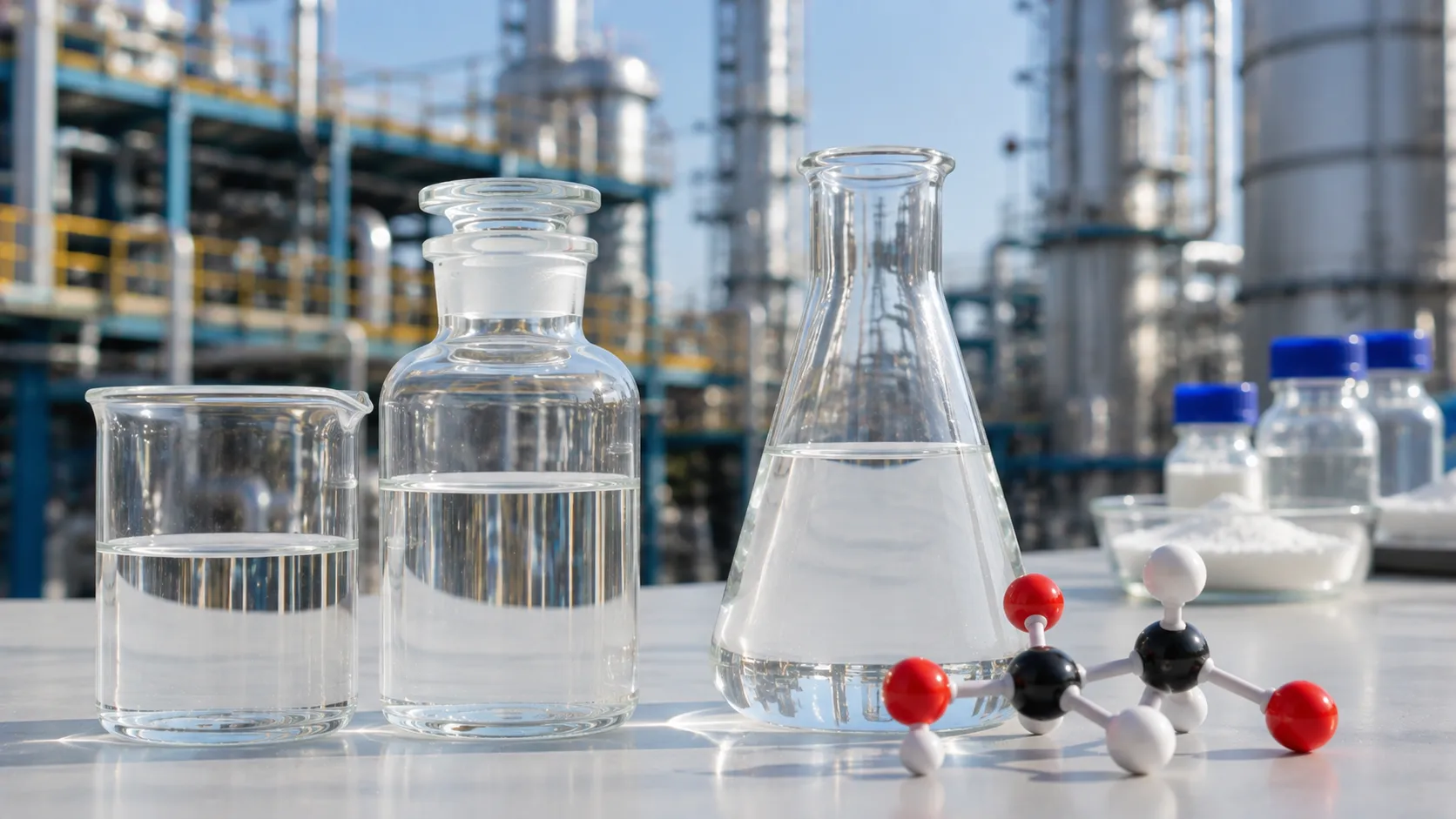

Dimethyl Carbonate Price Trend Q2 2026: What's Driving the Numbers
Anyone tracking the Dimethyl Carbonate price trend this quarter has probably noticed the numbers shifting more than usual. As of June 2026, Dimethyl Carbonate is trading at USD 549.70/MT on an FOB basis out of China, while India's CIF price sits at USD 637.24/MT.
That gap between the two markets isn't random. It reflects freight costs, import duties, and regional demand patterns that anyone buying or selling DMC needs to understand.
This report breaks down where prices stand right now, why the two regions differ, and what buyers should watch heading into the second half of 2026.
Current Dimethyl Carbonate Prices by Region
| Product | Region | Incoterm Basis | Price | Last Updated |
|---|---|---|---|---|
| Dimethyl Carbonate | China | FOB | USD 549.70/MT | June 2026 |
| Dimethyl Carbonate | India | CIF | USD 637.24/MT | June 2026 |
Price Source :- Procurement Resource
China's FOB price reflects the cost at the port of origin, before shipping and insurance get added on. India's CIF figure already includes those costs, which is why it lands nearly USD 90 higher per metric ton. If you're comparing quotes from different suppliers, always check which Incoterm basis they're quoting on. Mixing up FOB and CIF numbers is one of the most common mistakes buyers make when evaluating Dimethyl Carbonate prices.
Why China and India Show Different DMC Prices
The price difference isn't just about shipping. A few factors are at play here.
- Freight and logistics costs — Moving DMC from Chinese ports to Indian buyers adds a real cost layer, especially with fluctuating container rates.
- Import duties and taxes — India's CIF pricing structure absorbs additional landed costs that don't apply at the point of export in China.
- Domestic supply positioning — China remains one of the largest DMC producers globally, which keeps its FOB pricing more competitive for export markets.
- Regional demand pull — India's growing battery electrolyte and solvent manufacturing base has kept import demand steady, supporting the higher CIF price.
None of this is unusual for a chemical that moves across borders in bulk. But it does mean buyers sourcing DMC for Indian operations should budget for that premium rather than benchmarking purely against China's export price.
What's Behind the Dimethyl Carbonate Price Trend This Quarter
Dimethyl Carbonate sits at an interesting spot in the chemical supply chain. It's used as a solvent, a methylating agent, and increasingly as an electrolyte component in lithium-ion battery production. That last application has become a bigger factor in pricing than it was even a couple of years ago.
As battery manufacturing scales up across Asia, demand for high-purity DMC has grown alongside it. This has kept prices from falling too sharply, even during periods when general industrial demand softened. At the same time, feedstock costs — particularly methanol and related raw materials continue to influence production economics on the supplier side.
Buyers should also keep an eye on:
- Methanol price movements, since DMC production is directly tied to feedstock availability
- Battery sector demand, which is becoming a larger share of overall DMC consumption
- Currency fluctuations between USD, CNY, and INR, which affect landed costs for importers
Regional Buying Considerations
If you're sourcing from China, the FOB structure gives you more control over freight arrangements but also more responsibility for logistics planning. If you're buying into India under CIF terms, the supplier handles shipping and insurance, which simplifies budgeting but limits your negotiating room on freight.
Neither approach is inherently better. It really depends on your logistics capabilities and how much price volatility you're comfortable absorbing.
What Buyers Should Expect Going Forward
Prices in the DMC market rarely stay flat for long. Given the current trajectory, a few things seem likely for the near term.
Feedstock costs will keep playing a major role in where FOB prices settle. If methanol prices climb, expect DMC to follow, even if demand stays steady. On the demand side, battery-grade DMC consumption is unlikely to slow down, which puts a soft floor under prices even during quieter industrial periods.
For India specifically, currency movements against the dollar will continue affecting the final landed cost, sometimes more than the underlying commodity price itself. Buyers who lock in contracts without accounting for exchange rate swings often end up with unpleasant surprises on their next shipment.
Conclusion
The Dimethyl Carbonate price trend for Q2 2026 tells a fairly clear story: China's export pricing remains competitive at USD 549.70/MT FOB, while India's landed cost runs higher at USD 637.24/MT CIF once freight, duties, and logistics are factored in. Buyers evaluating Dimethyl Carbonate prices should look beyond the headline number and understand exactly what's included in each quote. With battery-sector demand growing and feedstock costs staying volatile, this is a market worth checking regularly rather than assuming last quarter's numbers still apply.
FAQs
1. What is Dimethyl Carbonate used for?
Dimethyl Carbonate is widely used as a solvent, a methylating agent in organic synthesis, and increasingly as a key component in lithium-ion battery electrolytes. Its low toxicity compared to other carbonates makes it popular in coatings, paints, and specialty chemical formulations across multiple industries.
2. Why is the Dimethyl Carbonate price different in China and India?
The difference comes down to Incoterm basis. China's price is quoted FOB, meaning it excludes shipping costs, while India's price is CIF, which already includes freight and insurance. Import duties and currency exchange rates also contribute to the higher landed cost in India.
3. What factors influence Dimethyl Carbonate prices the most?
Feedstock costs, particularly methanol, have the biggest direct impact on production economics. Beyond that, demand from battery manufacturing, freight rates, and regional import policies all play a role in shaping where prices settle month to month.
4. How often do Dimethyl Carbonate prices change?
Prices typically get reviewed and updated monthly, reflecting shifts in feedstock costs, shipping rates, and demand patterns. Buyers working on long-term contracts should still monitor trends regularly, since even a stable monthly average can mask short-term volatility within that period.
5. What should buyers watch for when comparing DMC price quotes?
Always confirm whether the quoted price is FOB or CIF, since mixing the two leads to inaccurate cost comparisons. Also check the quality grade, since battery-grade DMC often carries a premium over standard industrial-grade material due to stricter purity requirements.



























Sign in to leave a comment.