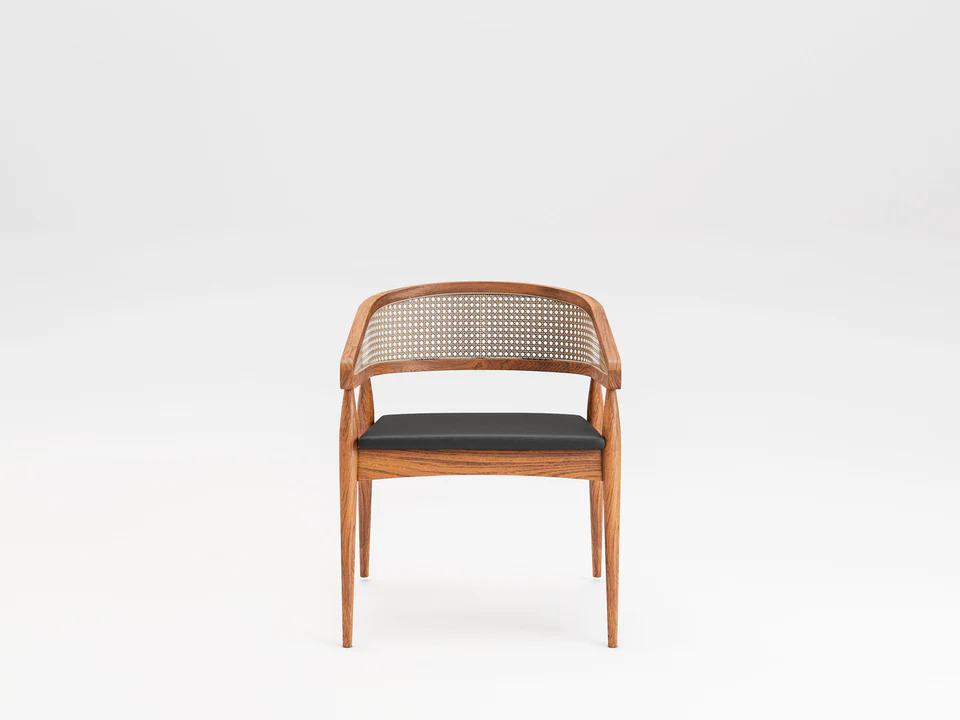

Choosing the right dining chairs is just as important as selecting the dining table itself. A well-thought-out dining chair buying guide helps you understand how comfort, style, and durability come together to create a dining space that feels inviting and functions effortlessly every day. Dining chairs are used daily—for meals, conversations, work-from-home moments, and family gatherings—so investing in the right ones ensures long-term satisfaction rather than quick replacements.
This guide walks you through everything you need to know before buying dining chairs, helping you make a practical yet design-conscious decision.
Why Dining Chairs Deserve Careful Selection
Dining chairs directly affect how comfortable and enjoyable your dining experience is. Even the most beautiful dining table can feel incomplete if the chairs are uncomfortable, poorly sized, or mismatched. Good dining chairs support posture, fit neatly around the table, and complement your interior style while standing up to everyday use.
A proper dining chair buying guide focuses on usability first, followed closely by aesthetics and material strength.
Comfort Comes First
Comfort should never be compromised when choosing dining chairs, especially in homes where meals often stretch into long conversations.
Seat height is a key factor. Ideally, there should be about 10–12 inches of space between the seat and the tabletop to allow relaxed seating. The seat depth should support the thighs without cutting off circulation, while the backrest should provide enough support to maintain good posture.
Cushioned seats or upholstered dining chairs add an extra layer of comfort, making them suitable for longer sitting durations. Even wooden chairs can feel comfortable when designed with ergonomically angled backs and well-contoured seats.
Choosing the Right Material
Material plays a major role in durability, comfort, and maintenance.
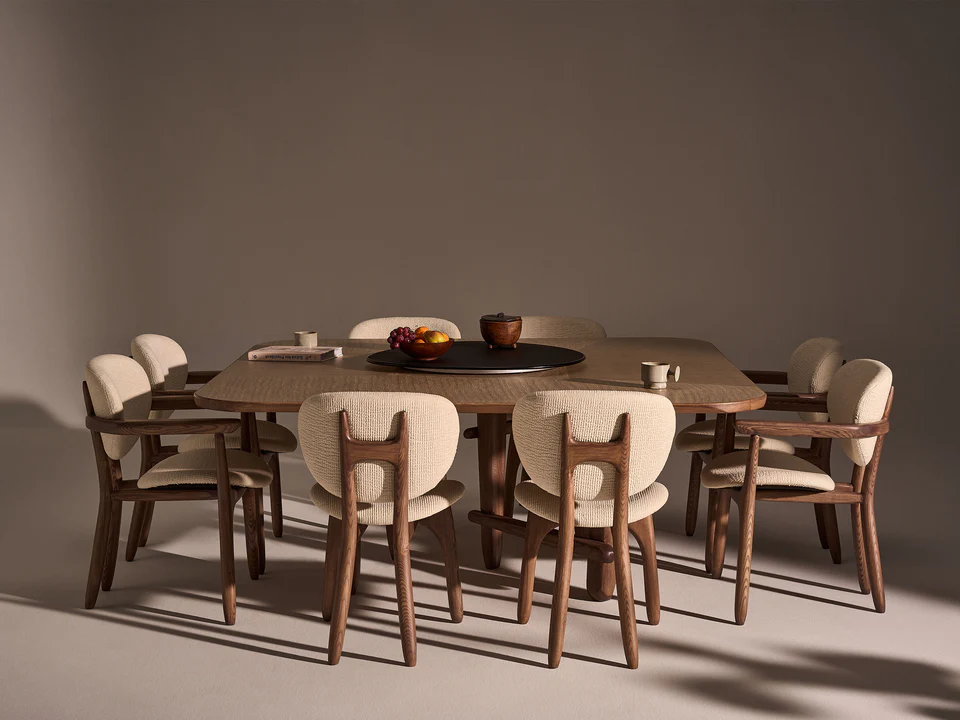
Wooden dining chairs are a popular choice because of their strength, timeless appeal, and ability to blend with both modern and traditional interiors. Solid wood options such as teak or ash are especially valued for their durability and long lifespan.
Upholstered dining chairs provide added softness and are ideal for formal dining areas or homes where comfort is a priority. Fabric choices should be easy to clean and resistant to wear. Leather or faux leather options offer a refined look and are easier to maintain in busy households.
Metal dining chairs suit contemporary or industrial interiors and are known for their structural strength, though they may feel less warm visually compared to wood.
Style That Matches Your Dining Space
Dining chairs should align with the overall theme of your dining area. A cohesive look creates visual balance and enhances the room’s character.
For modern interiors, clean-lined chairs with minimal detailing work best. Traditional spaces benefit from classic wooden chairs with subtle curves and detailing. Transitional interiors can mix upholstered chairs with wooden frames to balance comfort and elegance.
You don’t always need to match chairs exactly to the table. Mixing styles—such as pairing wooden chairs with upholstered head chairs—can add depth and interest without disrupting harmony.
Durability for Everyday Use
Since dining chairs are used frequently, durability is essential. Check for sturdy joinery, solid frames, and stable legs. Chairs should feel balanced and not wobble when sat on.
High-quality wood, reinforced joints, and well-finished surfaces ensure chairs can handle daily movement, weight, and occasional spills. A durable finish also protects the chair from scratches and moisture, maintaining its appearance over time.
A reliable dining chair buying guide always emphasizes construction quality as much as design.
Size and Spacing Considerations
Before buying dining chairs, measure your dining area carefully. Each chair typically requires around 24 inches of table width for comfortable seating. Ensure there is enough clearance around the table so chairs can be pulled out easily without bumping into walls or furniture.
Armchairs look elegant but take up more space, making them better suited for larger dining rooms. Armless chairs are more flexible and work well in compact spaces.
Maintenance and Care
Dining chairs should be easy to maintain, especially in family homes. Wooden chairs require regular dusting and occasional polishing to retain their finish. Upholstered chairs benefit from regular vacuuming to remove dust and crumbs.
Spills should be cleaned immediately to avoid stains, and harsh chemicals should be avoided to protect both wood and fabric surfaces. Choosing finishes and fabrics that suit your lifestyle reduces long-term maintenance effort.
Balancing Function and Aesthetics
A dining chair buying guide is incomplete without addressing the balance between function and appearance. While it’s tempting to prioritize looks, chairs must support everyday living. The best dining chairs are those that look elegant while offering comfort and durability.
Consider how often you entertain guests, whether children use the dining area, and how formal or casual your dining routine is. These factors should guide your choice more than trends alone.
Making the Right Buying Decision
Before finalizing your purchase, ask yourself a few essential questions. Will these chairs remain comfortable for long meals? Do they fit well under the table without crowding the space? Are the materials strong enough for daily use? Do they complement your dining table and overall interior theme?
Answering these questions ensures you choose dining chairs that serve your needs today and continue to do so for years.
Final Thoughts
A thoughtful dining chair buying guide helps you move beyond surface-level design and focus on what truly matters—comfort, style, and durability. Dining chairs are an everyday investment, and the right choice enhances not only your dining area but also your daily routines and shared moments.
By paying attention to ergonomics, material quality, design harmony, and long-term usability, you can create a dining space that feels welcoming, functional, and timeless.
























Sign in to leave a comment.