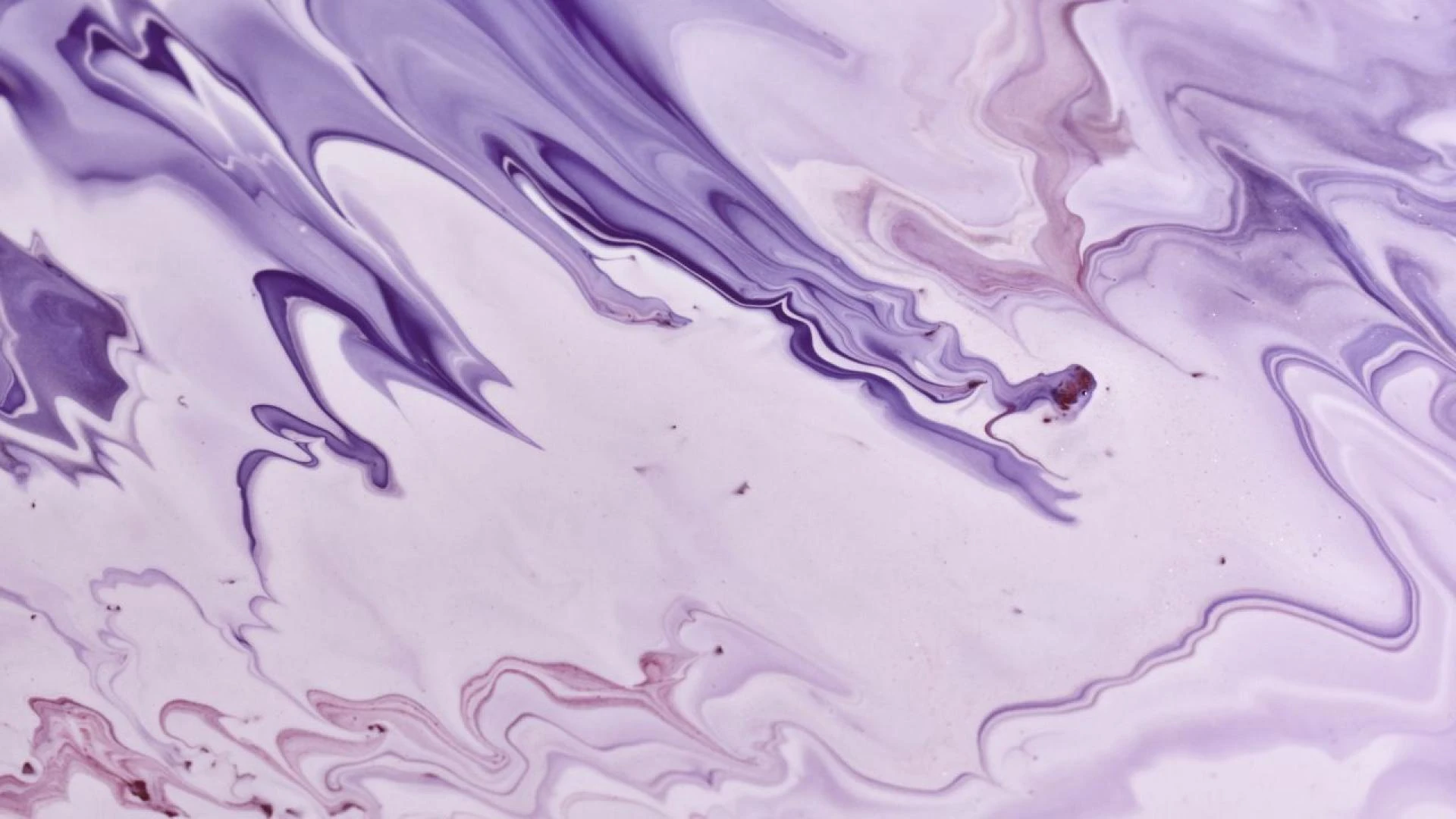

In the world of fabric dyeing, color matters just as much as texture and design. Among the most captivating shades available today is Direct Violet, a group of dyes known for their intense purple tones and broad application across natural fibers like cotton, viscose, and paper. Direct Violet dyes are appreciated for their ease of application, affordability, and brilliant results, making them an essential tool in textile and paper industries.
As global markets move toward efficient and eco-conscious dyeing techniques, Direct Violet continues to stand out for both its function and form.
What Is Direct Violet?
Direct Violet is a class of water-soluble dyes that can be directly applied to cellulosic fibers without the need for a mordant. These dyes fall under the “direct dye” category, meaning they can bond with the fabric through hydrogen bonding and Van der Waals forces. This property makes them an ideal choice for industries looking for simple, cost-effective dyeing processes.
These dyes are primarily used to achieve various shades of purple, from soft lilac to rich deep violet, depending on fiber type, dye concentration, and processing conditions.
Characteristics of Direct Violet Dyes
The appeal of Direct Violet dyes lies in their versatility and performance. Let’s take a closer look at what makes them so widely used:
- Water-Soluble: Easy to dissolve in dye baths, making them ideal for large-scale operations.
- Bright and Clear Shades: Capable of producing intense, attractive violet tones.
- Applicable to Natural Fibers: Particularly effective on cotton, rayon, and jute.
- Affordable Processing: Requires no mordants or complex fixing agents.
- Moderate Fastness: While not as permanent as reactive dyes, they offer decent wash and light fastness when applied correctly.
Because of these traits, Direct Violet dyes are a go-to choice for producers seeking vibrant colors without high costs or complex dyeing methods.
Industrial Applications of Direct Violet
Direct Violet dyes are not just confined to clothing and home textiles. Their reach spans a number of industrial sectors:
- Textile Industry
- These dyes are extensively used to color fabrics like cotton, rayon, and linen. They're commonly seen in printed designs, tie-dye styles, and embroidered garments.
- Paper Manufacturing
- Direct Violet is used in the paper industry to add a soft tint or enhance whiteness. It gives tissue papers, writing papers, and packaging materials a visually appealing look.
- Leather and Jute Goods
- Used as a surface dye, Direct Violet brings life to jute bags and other natural fiber accessories.
- Ink and Wood Stain Production
- Some formulations of Direct Violet are used in coloring inks and even certain wood-staining products due to their stability and color tone.
From fashion to functional products, Direct Violet plays a role in enhancing everyday materials.
Dyeing Process: How Direct Violet Is Applied
The dyeing process for Direct Violet is straightforward, which is part of its broad appeal. Here's how it typically works:
- Preparation
- The fabric is first cleaned to remove any oils, waxes, or impurities. This ensures better dye uptake and uniform coloring.
- Dye Bath Setup
- Direct Violet is dissolved in water, often with the addition of salt (such as Glauber’s salt or common salt) to promote even dye absorption.
- Heating and Dyeing
- The fabric is immersed in the dye bath and gradually heated to around 80–90°C. The heat allows the dye molecules to penetrate the fiber.
- Cooling and Rinsing
- After the desired color depth is achieved, the material is cooled, rinsed, and often soaped to remove unfixed dye.
This process allows for consistent, vibrant results with minimal resource input.
Benefits of Using Direct Violet
There are several reasons why industries prefer using Direct Violet over other violet-based dyes:
- Cost-Efficient
- With no need for complex chemicals or fixatives, the overall dyeing cost is lower.
- User-Friendly
- Its easy application process makes it suitable even for small-scale and cottage industries.
- Color Variety
- A wide spectrum of violet tones can be achieved by blending Direct Violet with other direct dyes.
- Environmentally Manageable
- While not completely “green,” Direct Violet dyes are more biodegradable than many synthetic alternatives when used responsibly.
These features make it an accessible and smart option for manufacturers at every level.
Challenges and Solutions in Using Direct Violet
Despite its benefits, Direct Violet has a few challenges:
- Moderate Wash Fastness
- Unlike reactive dyes, Direct Violet can fade with repeated washing.
- Solution: Post-treatment with cationic fixers or polymer-based resins can significantly improve wash fastness.
- Bleeding During Washing
- Improper rinsing may lead to color bleeding.
- Solution: Adequate soaping and hot water rinses help remove unfixed dyes and stabilize the color.
- Limited Fiber Compatibility
- These dyes work best on cellulose fibers and are less effective on polyester or acrylic.
- Solution: For blended fabrics, pre-treatment or using a combination of dye types may be necessary.
When applied carefully, these limitations can be managed with minimal effort.
Environmental Considerations
As global regulations tighten around dye wastewater, many manufacturers are re-evaluating their dye choices. Direct dyes, including Direct Violet, are seeing improvements in formulation to meet these standards.
Suppliers like Sardar Chemicals now offer low-salt, low-effluent versions of Direct Violet that perform well without excessive environmental impact. These advanced formulas reduce COD (Chemical Oxygen Demand) and color pollution in wastewater, helping businesses meet environmental compliance without compromising on performance.
By choosing reputable suppliers and updating their dyeing processes, companies can stay competitive while minimizing harm to the planet.
Why Direct Violet Is Still Relevant in Modern Dyeing
With newer dye types on the market, some may question whether Direct Violet still holds value. The answer is a resounding yes, especially for manufacturers who need:
- Fast processing with limited infrastructure
- Economical solutions for natural fiber dyeing
- Vibrant color results with simple application steps
Direct Violet remains relevant due to its balance of affordability, ease of use, and color brilliance. Whether you're running a large textile mill or a small printing unit, this dye continues to deliver practical and aesthetic value.
Direct Violet for the Future of Fabric Color
In a world where fashion trends change fast but quality and efficiency remain key, direct violet offers a beautiful and practical solution. From rich purple clothing to subtly tinted paper, this dye adapts to the needs of multiple industries.
When sourced from trusted providers like Sardar Chemicals, Direct Violet becomes more than just a colorant, it becomes a strategic tool in achieving top-quality, cost-effective, and sustainable results.
Whether you’re an artisan, a textile manufacturer, or a paper producer, adding Direct Violet to your palette means you’re choosing reliability, simplicity, and timeless appeal.






















Sign in to leave a comment.