
Introduction
In today's fast-paced world, stress and anxiety are common challenges that many people face. Amidst the hustle and bustle, finding time for self-care and mental well-being is crucial. One effective way to achieve this balance is through guided meditation. This practice has gained immense popularity due to its accessibility and numerous benefits for mental and physical health. In this article, we will explore what guided meditation is, its benefits, how to practice it, and tips for integrating it into your daily routine.
What is Guided Meditation?
Guided meditation is a form of meditation where an individual is led by a guide or teacher through a series of visualizations, breathing exercises, and mindful awareness techniques. Unlike traditional meditation, which often requires individuals to meditate in silence or with minimal guidance, guided meditation provides step-by-step instructions to help the meditator focus and relax. These sessions can be conducted in person, through audio recordings, or via video, making it accessible to anyone with a desire to meditate.
The guidance can come in various forms, including spoken instructions that lead the listener through a calming narrative or background sounds like nature noises or soothing music. The purpose is to help the meditator achieve a deep state of relaxation, reduce stress, and enhance mindfulness. This method is especially beneficial for beginners who may find it challenging to quiet their minds and focus during meditation.
The Benefits of Guided Meditation
Guided meditation offers a plethora of benefits, both mental and physical. One of the most significant advantages is its ability to reduce stress. By following a guided session, individuals can shift their focus from their daily worries to a calming narrative, which helps lower cortisol levels and induce a state of relaxation. This practice has been shown to improve symptoms of anxiety and depression, providing a natural remedy for those suffering from these conditions.
Moreover, guided meditation enhances emotional health by promoting a positive outlook and improving mood. Regular practice can lead to increased self-awareness and self-compassion, as meditators learn to observe their thoughts and feelings without judgment. This heightened awareness can also lead to better emotional regulation and reduced reactivity to stressors.
Physical health benefits are also notable. Guided meditation has been linked to improved sleep quality, as the relaxation techniques help individuals unwind and prepare for restful sleep. It can also lower blood pressure, boost the immune system, and reduce symptoms of chronic pain by promoting relaxation and reducing tension in the body.
How to Practice Guided Meditation
Practicing guided meditation is straightforward and can be tailored to fit into any schedule. Here are some steps to get started:
Find a Quiet Space: Choose a comfortable, quiet place where you won’t be disturbed. This could be a corner of your home, a peaceful spot in a park, or even your office during a break.
Choose a Guide: Select a guided meditation that suits your needs. There are many resources available, including apps like Headspace and Calm, websites, and YouTube videos. The length of the meditation can vary from a few minutes to an hour, so choose one that fits your schedule.
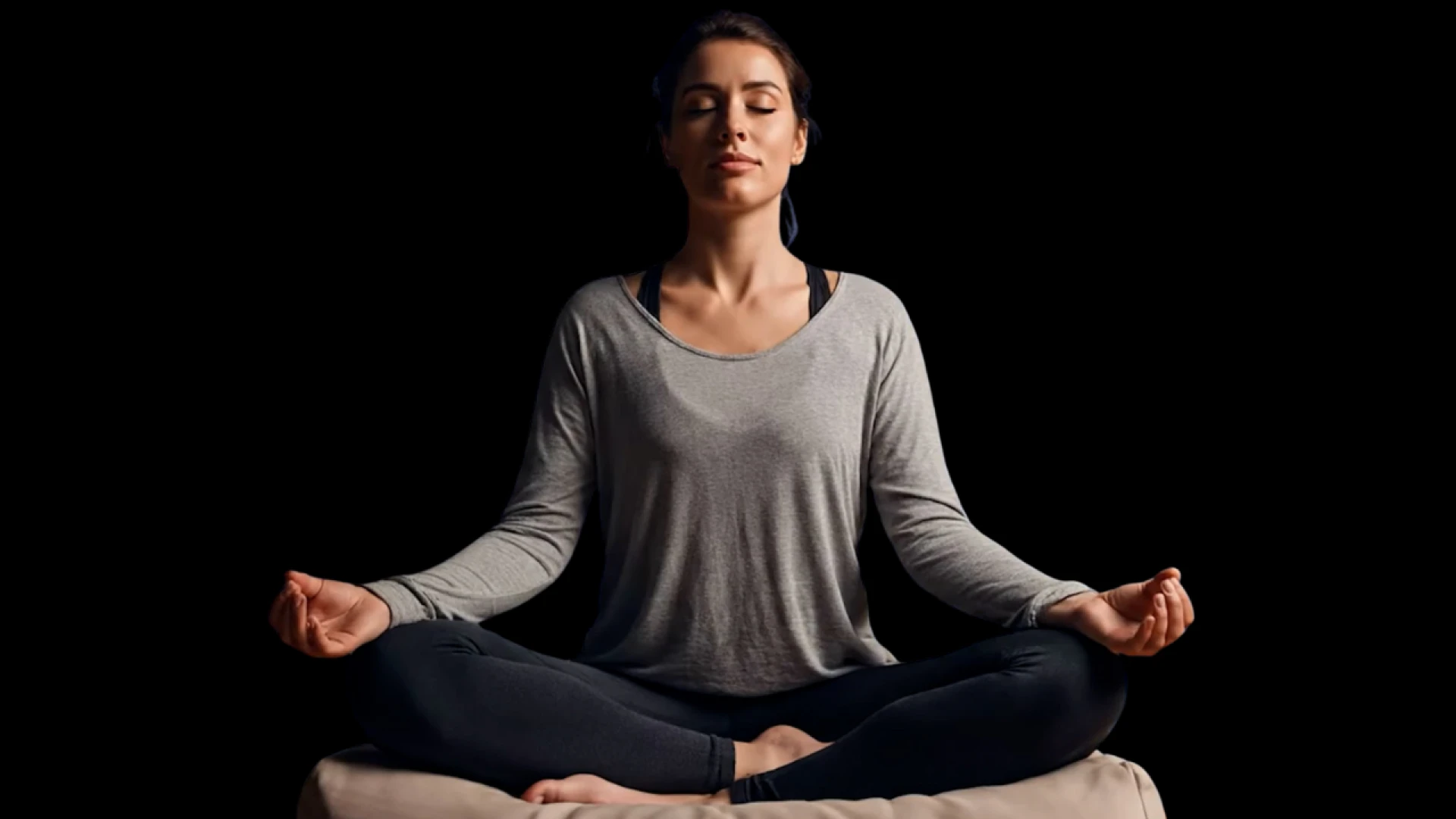
Get Comfortable: Sit or lie down in a comfortable position. Close your eyes and take a few deep breaths to start relaxing your body and mind.
Follow the Guidance: Listen to the guide and follow the instructions. Focus on the imagery, breathing exercises, and sensations as directed. Allow yourself to fully immerse in the experience.
Reflect: After the session, take a few moments to reflect on your experience. Notice any changes in your mood or physical state.
Tips for Integrating Guided Meditation into Your Routine
Consistency is key to reaping the full benefits of guided meditation. Here are some tips to help you integrate this practice into your daily life:
Start Small: If you’re new to meditation, start with short sessions, like 5-10 minutes, and gradually increase the duration as you become more comfortable.
Schedule It: Treat meditation like any other important activity by scheduling it into your day. Whether it’s first thing in the morning, during a lunch break, or before bed, find a time that works best for you and stick to it.
Create a Ritual: Establish a pre-meditation ritual to signal to your mind that it’s time to relax. This could be lighting a candle, playing soft music, or drinking a cup of herbal tea.
Use Technology: Take advantage of the many apps and online resources available. These can provide structured programs and reminders to keep you on track.
Be Patient: Meditation is a skill that takes time to develop. Be patient with yourself and don’t get discouraged if your mind wanders. Gently bring your focus back to the guide and continue.
Conclusion
guided meditation is a powerful tool for achieving mental clarity, emotional balance, and physical well-being. Its structured approach makes it accessible to everyone, regardless of experience level. By incorporating guided meditation into your daily routine, you can cultivate a sense of inner peace and resilience that enhances every aspect of your life. Start today and discover the transformative power of guided meditation for yourself.









Sign in to leave a comment.