
Caste System in Ancient India
It represents the hierarchy of Castes - Brahmins (priests/scholars), Kshatriyas (kings, governors, warriors), Vaishyas (cattle herders, agriculturists, artisans, merchants), Shudras (laborers/service providers).
The Vedas were ancient scriptures, written in the Sanskrit language, which contained hymns, philosophies, and rituals handed down to the priests of the Vedic religion. The low position, accorded to people like blacksmiths, tanners, butchers in the Smriti literature, are not found in the Vedas. In the Brahmanas it has been found that Sudras were servants by occupation and that he could be ejected from a place or even slain at will. Priests, gurus, rishis, teachers, and scholars constituted the Brahmin. The Vedic god and goddesses receded to the background and new gods and goddesses began to worshipped. Important’ god and goddesses of the Epic age were Brahma, Vishnu, Siva, Ganesh, Lakshmi and Parvati.
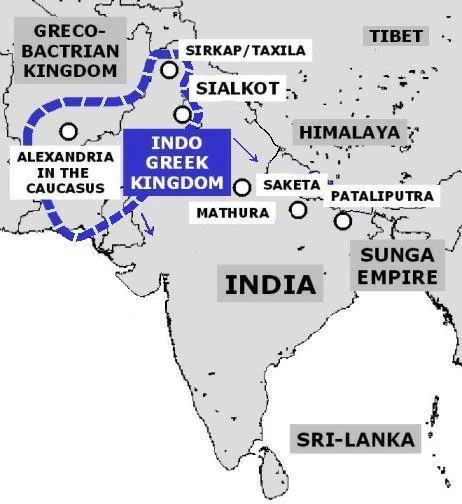
Ramayana clearly indicates the Aryan expansion into South India and also hints at the use of military force in this process. The epic also makes it clear that the Dravidian culture was also equally superior. The Mahabharata shows that by that time the whole of India was Aryanised. It also provides us information regarding the various states existing at that time.




















Sign in to leave a comment.