

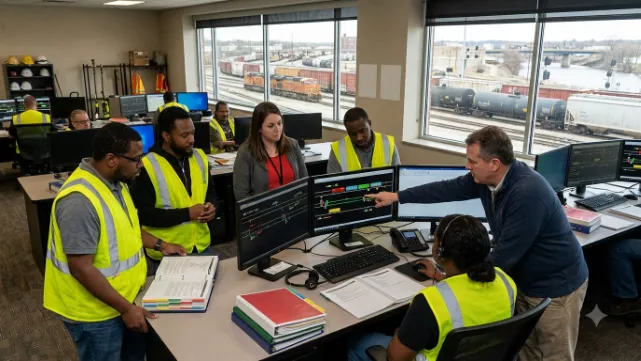
Train dispatchers are the actual control center of the railroad industry. They direct and coordinate the safe movement of rail traffic across thousands of miles of track every single day. A professional dispatch training course in Janesville gives individuals the exact skills needed to manage these heavy responsibilities safely.
Railroads demand high network velocity, strict on-time arrivals, and zero safety incidents. Meeting these demands starts with proper education on federal regulations and emergency response protocols. RailRCS provides a comprehensive path for individuals aiming to master these complex systems.
Their training prepares candidates to step into a demanding freight dispatch service role with total confidence. Students learn to handle real-world railroad operations smoothly. They ensure that passenger excursions, heavy freight trains, and track maintenance vehicles all share the rails without conflict.
What Makes the Dispatch Training Course in Janesville Stand Out?
The training facility located at 1 Parker Place in Janesville focuses on practical, on-the-job reality. New candidates do not just read textbooks. They actively learn how to monitor track routes, prioritize urgent calls, and communicate with field units in real time.
Every successful train movement relies on clear, definitive communication. RailRCS ensures that trainees understand how to use radio, phone, and computer systems efficiently. This hands-on approach removes the guesswork from daily operations and builds rapid problem-solving skills.
Graduates leave the dispatch training course in Janesville ready to manage both passenger and freight networks. They understand the pressure of the job and know exactly how to maintain a calm demeanor during emergencies. This level of intense preparation is what makes it a highly respected choice for long-term career growth.
Mastering GCOR and NORAC for Ultimate Safety
Safety is the absolute priority in the railroad industry. Dispatchers must have a flawless understanding of the General Code of Operating Rules (GCOR) and the Northeast Operating Rules Advisory Committee (NORAC) guidelines. These rulebooks dictate how every single train must operate on the network.
A proper freight dispatcher training program breaks down these complex rules into digestible, practical applications. Trainees learn how to issue correct track warrants, speed restrictions, and safety bulletins. They also learn how to protect maintenance-of-way workers who are out repairing the physical tracks.
Knowing these rules inside and out prevents accidents and keeps operations compliant with federal laws. Companies rely on this strict regulatory compliance to avoid heavy fines and operational delays. A well-trained dispatcher is the best defense against compliance failures.
Essential Skills Built in a Freight Dispatcher Training Program
Dispatching requires a very specific set of specialized skills. A standard desk job does not prepare you for the constant flow of information required in rail logistics. The best freight dispatcher training focuses on building the following core competencies:
- Emergency Call Handling: Dispatchers must receive, record, and act on emergency situations immediately without panic or hesitation.
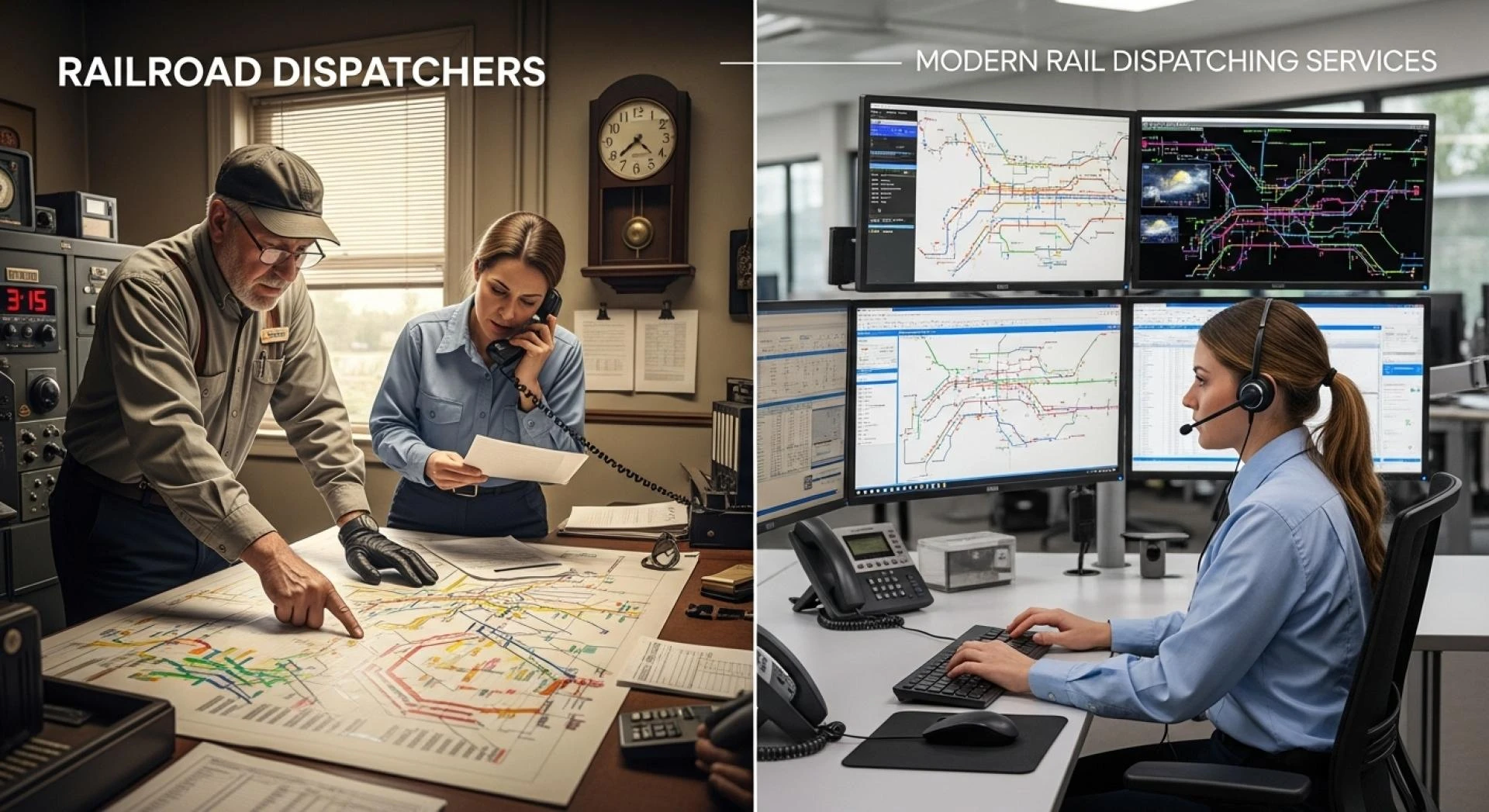
- Advanced Software Operation: Modern rail networks use software-centric solutions to monitor critical infrastructure assets in real time.
- Field Unit Coordination: Dispatchers give constant verbal updates regarding traffic, obstacles, and route requirements to active train crews.
- Accurate Record Keeping: Maintaining highly detailed logs of all calls and train movements is legally required for compliance audits.
- Multi-tasking Under Pressure: A dispatcher often manages multiple train routes, crossing malfunctions, and crew requests at the exact same time.
Trainees who master these five specific areas become highly valuable assets to any railroad company. They keep the supply chain moving smoothly.
Why Top Railroads Rely on Certified Railroad Dispatch Services
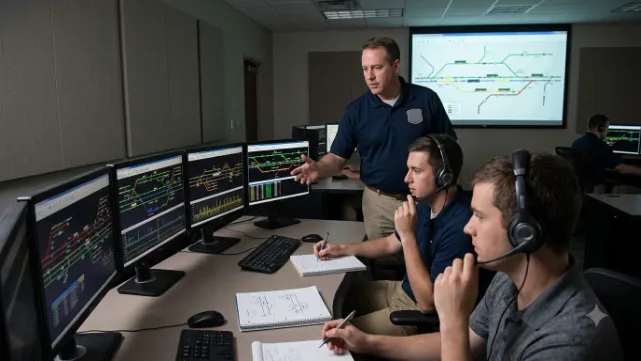
Freight operators cannot afford to make simple mistakes. A single missed handoff can cause a chain reaction of costly delays across the entire supply chain. That is why major operators turn to professional railroad dispatch services to keep their networks moving efficiently.
Outsourcing dispatch operations to highly trained professionals offers distinct operational benefits.
- It significantly reduces internal overhead costs for the railroad company.
- It ensures that dispatchers on duty are strictly focused on monitoring track authority.
- It provides access to modern dispatching technology and advanced software tools.
- It guarantees reliable 24/7 network coverage, 365 days a year.
By utilizing dedicated railroad dispatch services, companies ensure their freight arrives safely and directly on schedule. The expert training provided in Janesville directly supports this high level of operational excellence.
Finding the Best Freight Dispatcher Training
When planning to enter this specific rail field, the quality of your education matters immensely. Choosing the right educational program dictates how well you will perform on your very first day on the job.
To identify the best freight dispatcher training, search for these specific quality indicators:
- Instructors with actual, long-term operational experience in the rail industry.
- A strong focus on federal regulations, including CFR programs and audit-ready daily reporting.
- Training that deeply covers both primary and backup emergency dispatching procedures.
- A curriculum that equally emphasizes software operations and clear verbal communication skills.
Programs that meet these strict criteria produce candidates who are completely ready to handle the intense demands of the job. They learn to systematically manage yard congestion, reduce long dwell times, and coordinate complex railcar switching scenarios.
Key Takeaways
- Dispatchers control the safe movement of trains and handle all emergency calls securely.
- Full comprehension of GCOR and NORAC rules is mandatory for rail network safety.
- A structured freight dispatcher training program bridges the gap between basic knowledge and actual job readiness.
- Modern dispatching relies heavily on software-centric solutions and precise data entry.
Start Your Journey in Rail Logistics Today
The rail industry thrives on precision, constant efficiency, and absolute safety. Reaching that level of operational excellence requires education from seasoned professionals who truly understand the tracks. A strong educational foundation is the only effective way to succeed in this fast-paced environment.
If you want to ensure your rail operations run flawlessly or want to step into a new, rewarding career path, rely on the industry experts. RailRCS offers top-tier railroad dispatch services and comprehensive training programs designed for absolute success. Visit their office at 1 Parker Place, Suite 485, in Janesville, WI, or reach out to their team to learn exactly how they keep the railroad moving safely.
Frequently Asked Questions (FAQs)
Why is GCOR and NORAC knowledge so important?
GCOR and NORAC are the fundamental rulebooks for all train operations in North America. Strict adherence to these operating rules prevents train collisions, protects track workers, and ensures full compliance with federal safety laws.
How long does it take to complete a dispatch training course in Janesville?
Training timelines can vary based on the specific curriculum and the candidate's prior work experience. Most comprehensive programs provide extensive on-site training to ensure candidates fully understand the software systems and safety rules before working live.
What software skills are needed for a freight dispatch service?
Dispatchers need to be highly tech-savvy and comfortable with computers. They use specialized, software-centric solutions to monitor rail infrastructure, track railcars, and maintain accurate digital logs of all daily dispatching activities.
Do dispatchers work standard business hours?
No. Railroads operate 24 hours a day, 365 days a year without pause. Dispatchers typically work rotating shifts, which often include nights, weekends, and holidays to provide continuous safety coverage for the rail network.


























Sign in to leave a comment.