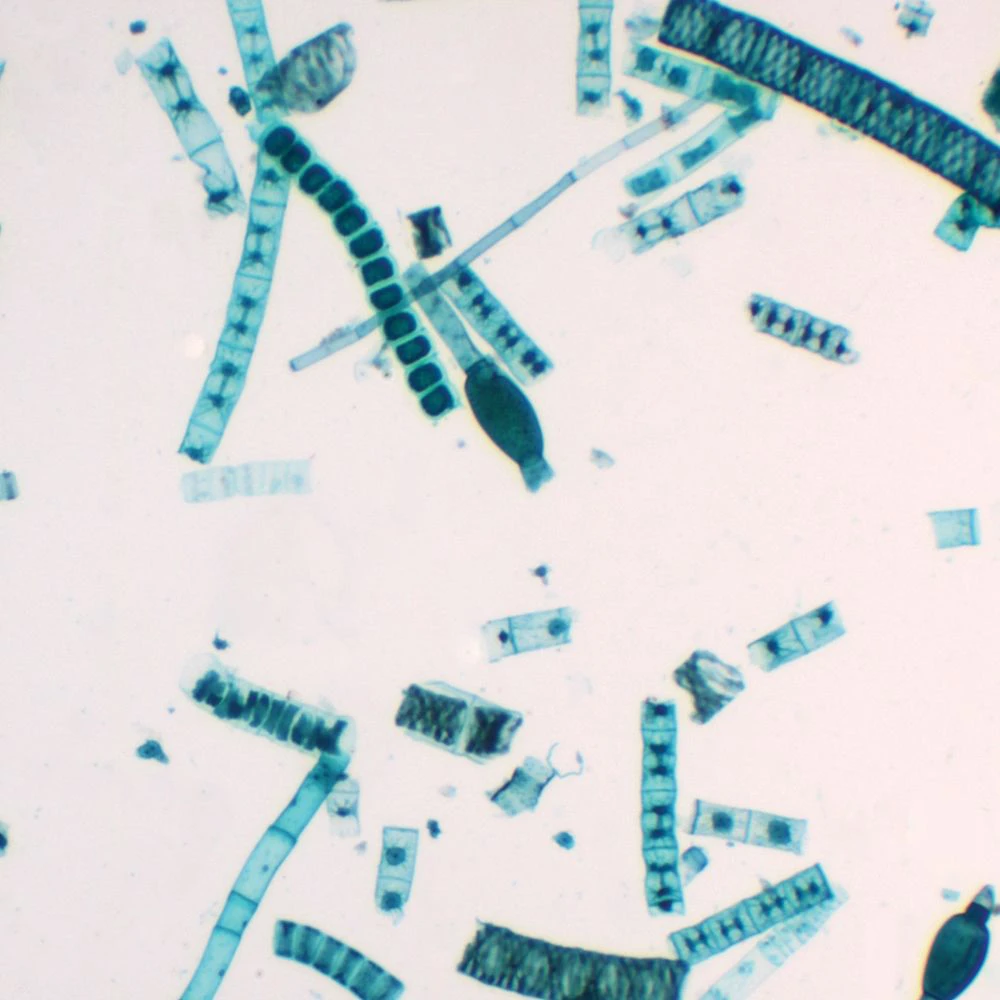

How often do students engage with ecosystems beyond textbooks and static images? As modern classrooms increasingly emphasize hands-on learning, the exploration of algae science offers a compelling avenue to deepen students' understanding of biology.
Algae, crucial to aquatic ecosystems and significant in various biological processes, can serve as a powerful educational tool. Recent studies reveal that interactive learning approaches significantly enhance comprehension and retention of scientific concepts.
By integrating algae science experiments into the curriculum, educators can provide a tangible, engaging way for students to grasp complex biological concepts.
Algae are not only essential to understanding aquatic ecosystems but also offer diverse applications in biological education. For educators seeking to enrich their biology labs with practical experiments, selecting the right algae and resources is vital.
Blades Biological provides an extensive range of high-quality biological specimens and lab supplies, offering educators the tools needed to enrich their science curriculum with hands-on experiments and detailed biological insights.
This blog will outline the types of algae available for educational purposes, detail how these organisms can be utilized in classroom experiments, and provide insights into valuable educational resources.
Types of Algae for Educational Use
Educators have access to a variety of algae species that can be effectively used in science experiments. Each species offers unique characteristics that can illustrate different biological principles. Here are a few examples:
· Scenedesmus quadricauda: This species is a common choice for experiments due to its distinct cellular structure and ease of cultivation. Scenedesmus quadricauda is particularly useful for studying algal growth, cellular organization, and environmental responses.
· Chlorella: Known for its rapid growth and high nutritional value, Chlorella can be used to explore topics such as photosynthesis and cellular metabolism. Its robust nature makes it an ideal subject for experiments focusing on algal productivity and environmental impact.
Designing Effective Algae Science Experiments
To maximize the educational value of algae science experiments, consider the following guidelines:
· Objective Alignment: Clearly define the educational objectives of the experiment. Whether the goal is to study photosynthesis, cellular structure, or ecological interactions, ensure the chosen algae species aligns with these objectives.
· Experimental Setup: Prepare a controlled environment for the algae to thrive. This includes selecting appropriate growth media, maintaining optimal light and temperature conditions, and monitoring pH levels.
· Data Collection: Incorporate methods for accurate data collection, such as measuring growth rates, observing cellular changes under a microscope, and analyzing nutrient levels. This will provide students with hands-on experience in scientific data collection and analysis.
· Analysis and Interpretation: Encourage students to interpret their findings in the context of broader biological principles. This might involve comparing their results with known data or exploring how environmental factors influence algal growth.
Educational Resources and Tools
To effectively implement algae science experiments, educators can utilize various resources and tools:
· Biological Education Specimens: Quality specimens are crucial for accurate experimentation. Suppliers offer a range of preserved and living specimens, including algae and growth media, that are essential for conducting reliable experiments.
· Growth Media and Supplies: Ensure that the algae are cultivated in appropriate growth media. Suppliers provide various nutrient-rich media designed to support the growth of different algae species.
· Microscopy Equipment: High-quality microscopes allow for detailed observation of algal cellular structures. This equipment is essential for studying the morphology and behaviour of algae under different conditions.
· Educational Kits and Manuals: Comprehensive educational kits and manuals can guide educators through the experimental process, offering step-by-step instructions and background information on algae biology.
Implementing Algae Science in the Classroom
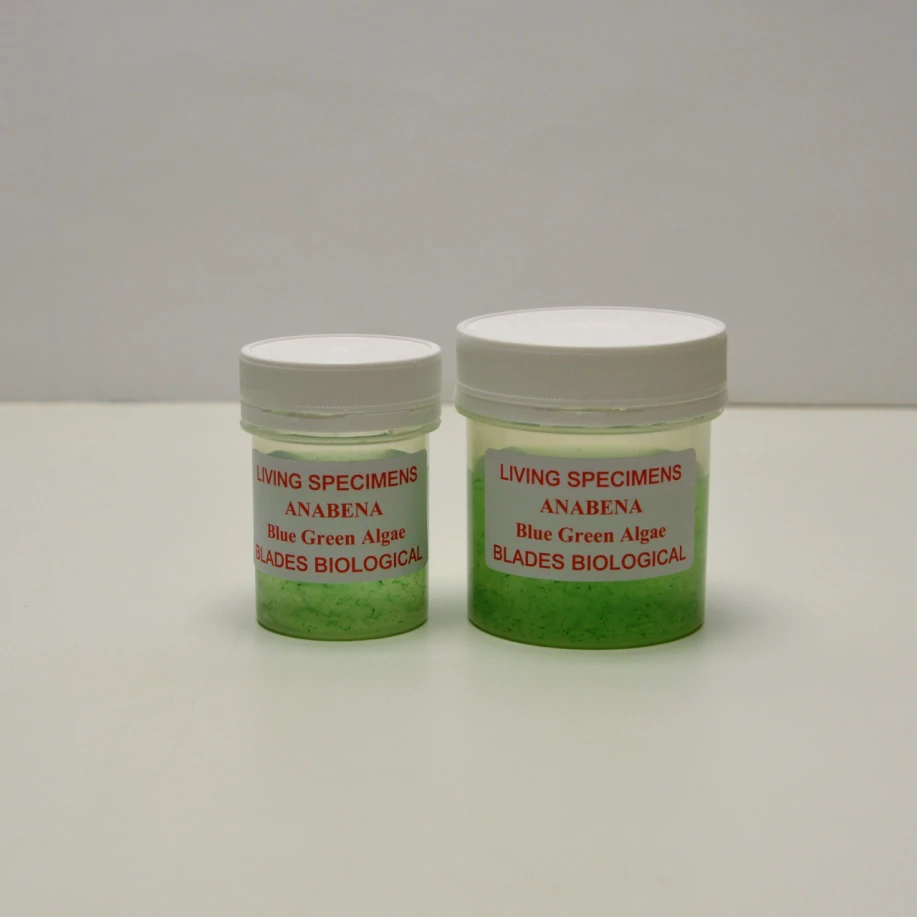
Incorporating algae science experiments into the classroom can be both enriching and practical. Here’s how educators can effectively integrate these experiments into their curriculum:
· Hands-On Learning: Engage students with hands-on experiments that allow them to cultivate and observe algae. This practical approach helps bridge the gap between theoretical knowledge and real-world applications.
· Cross-Disciplinary Connections: Algae science can be linked to various biological topics, including ecology, environmental science, and cellular biology. This interdisciplinary approach enhances students' overall understanding of biological systems.
· Project-Based Learning: Design projects that require students to investigate specific aspects of algae biology. For example, students might explore the effects of different light conditions on algal growth or analyze the role of algae in carbon cycling.
· Assessment and Feedback: Regularly assess students' understanding through quizzes, lab reports, and presentations. Provide constructive feedback to help students refine their experimental techniques and deepen their grasp of biological concepts.
A Comprehensive Approach to Algae Science Education
Are your students fully engaged in their biological education? By incorporating algae science experiments into the curriculum, educators can offer a practical, interactive approach to learning about ecosystems and cellular biology.
Utilizing the right algae species and resources not only enhances the educational experience but also provides students with valuable skills in scientific inquiry and data analysis.
For educators looking to enrich their biology labs with high-quality algae and educational resources, it is crucial to select a reliable supplier. Browse through specialized biology science suppliers to find a range of algae for sale, growth media, and other essential biology lab supplies. Investing in these resources ensures that students receive a comprehensive and engaging educational experience in algae science.





























Sign in to leave a comment.