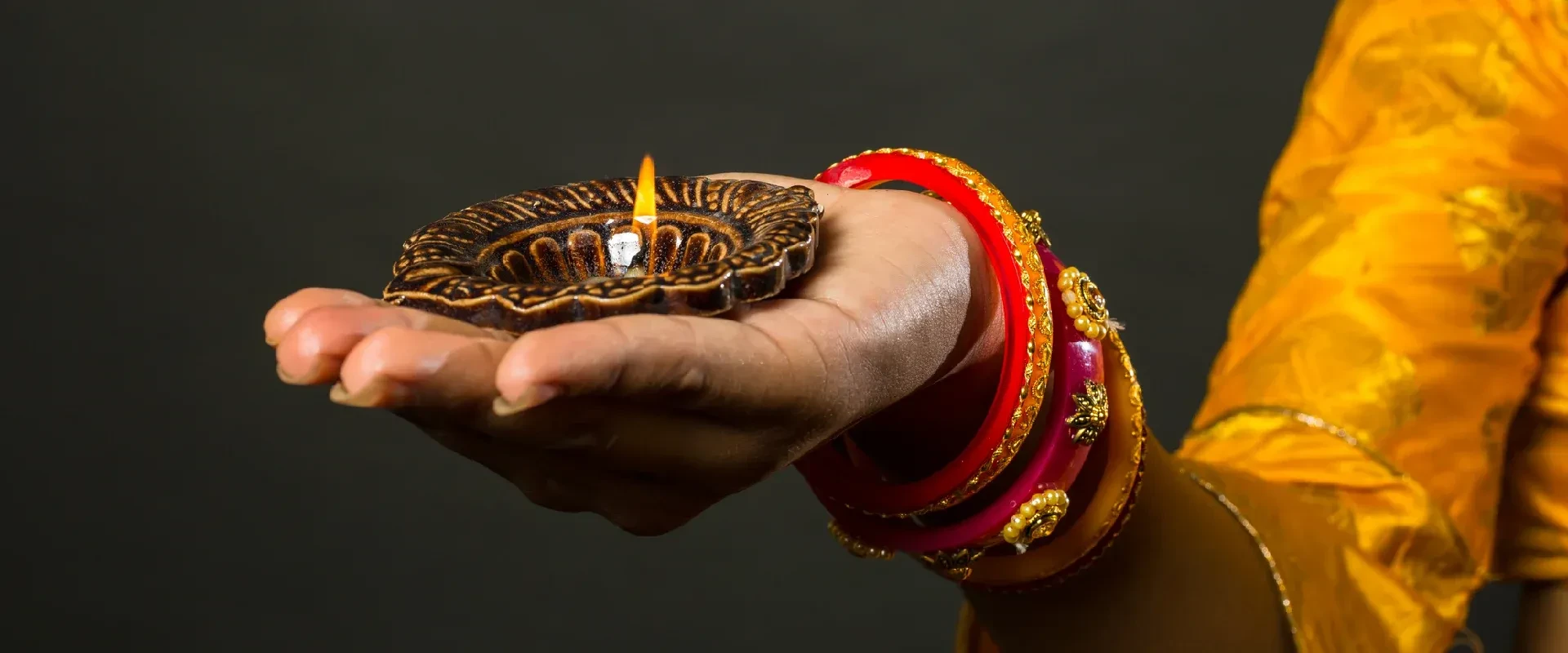
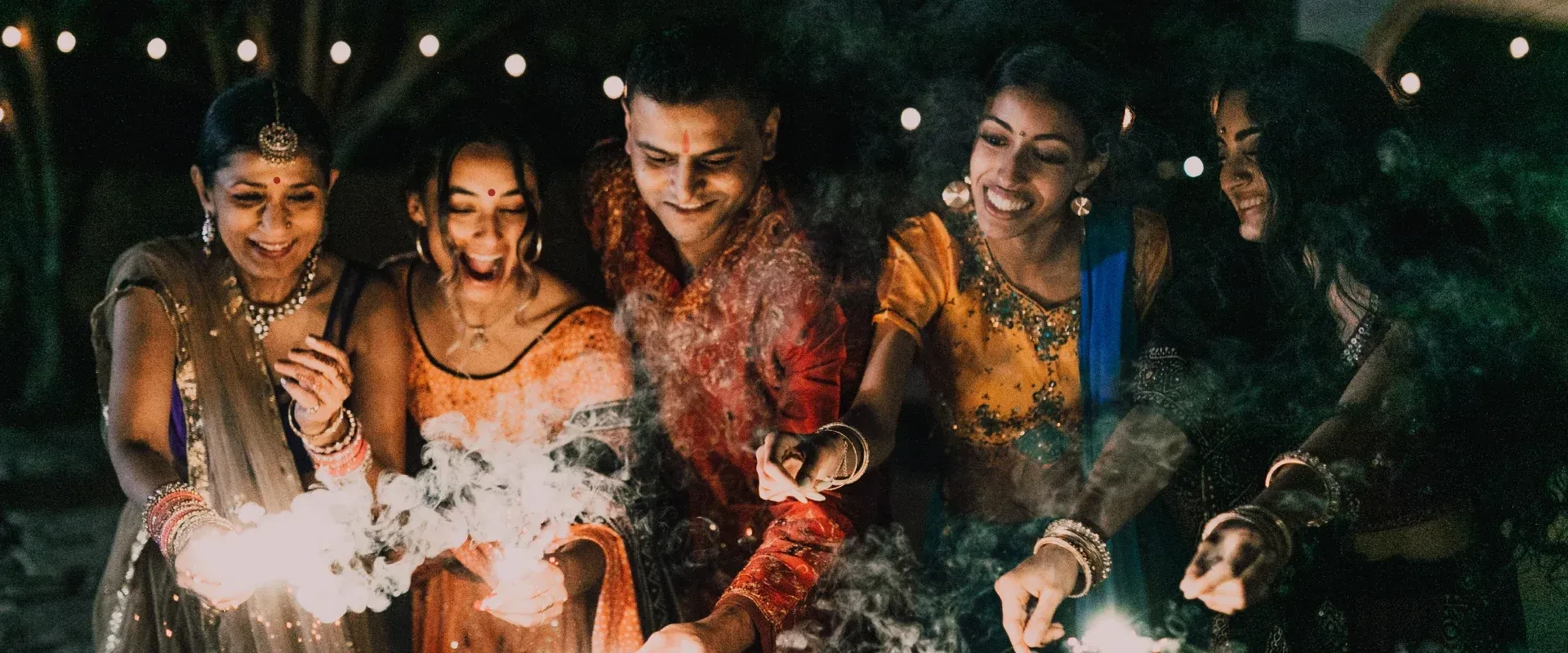
Diwali is one of the most cherished celebrations in the Hindu tradition. Known as the festival of lights, it brings joy, unity, and hope to millions of families around the world. At its core, it is a celebration of victory—victory of light over darkness, good over evil, and knowledge over ignorance. Homes glow with lamps, fireworks brighten the sky, and families come together to share meals and prayers.
But alongside this celebration, another issue demands attention: the persistence of hinduphobia. For many Hindus, cultural pride and religious identity are often overshadowed by bias, misunderstanding, and misrepresentation. To fully appreciate the importance of Diwali, it is necessary to also address the growing impact of hinduphobia in today’s world.
The Spirit of Diwali
Diwali is not just a festival; it is an experience that weaves together history, spirituality, and culture. The celebration marks different events depending on the region, such as the return of Lord Rama after defeating Ravana, the worship of Goddess Lakshmi, or the celebration of Lord Krishna’s triumph over evil.
Beyond these stories lies a universal theme: renewal and positivity. The lighting of diyas symbolizes a journey from confusion to clarity. The sharing of sweets symbolizes community and care. Fireworks reflect the joy of dispelling fear. For Hindus everywhere, Diwali is a reminder to carry forward values of compassion, courage, and resilience into everyday life.
Hinduphobia: A Barrier to Cultural Pride
While Diwali offers joy and hope, many Hindus face challenges in celebrating openly due to the rise of hinduphobia. This form of prejudice includes negative stereotypes about Hindu practices, distortion of traditions, or even hostility toward symbols that are sacred to the community.
When hinduphobia surfaces around major cultural events, the harm is magnified. Instead of appreciating Diwali for its message of peace, critics sometimes frame it inaccurately or with bias. This creates a climate where Hindu traditions are diminished or mocked, leading individuals—especially younger generations—to feel hesitant about expressing their cultural identity.
Why It Must Be Addressed
Ignoring hinduphobia has serious consequences. It does not only affect Hindus; it weakens the principles of diversity and mutual respect that societies strive to uphold. Diwali, like any cultural celebration, deserves to be honored without misrepresentation.
When communities are allowed to celebrate freely, everyone benefits. Diwali offers lessons about resilience and kindness that transcend religious boundaries. Its light has the power to inspire all who encounter it. By addressing hinduphobia, we create space for these values to flourish without being overshadowed by prejudice.
The Role of Advocacy and Awareness
Organizations like CoHNA work tirelessly to highlight the challenges posed by hinduphobia and to create awareness about Hindu culture. Their role in education and advocacy ensures that Hindu voices are heard and respected. Through community engagement, public discussions, and awareness campaigns, they help counter harmful narratives and encourage respect for traditions such as Diwali.
Such efforts are vital because they equip individuals with knowledge and confidence. For Hindus living outside their ancestral homeland, this support makes a difference in how they celebrate and share their heritage with others. By building understanding, organizations help ensure that Diwali is seen for what it truly is: a festival of light, hope, and unity.
The Benefits of Embracing Diwali
Recognizing Diwali and standing against hinduphobia leads to several positive outcomes:
- Stronger Communities: Celebrating together strengthens bonds and builds trust among neighbors.
- Educational Growth: Understanding the meaning behind Diwali broadens perspectives and challenges stereotypes.
- Positive Representation: Accurate portrayals of Hindu traditions foster pride and reduce bias.
- Shared Inspiration: The themes of Diwali encourage resilience, generosity, and optimism in all communities.
- Inclusive Societies: Embracing cultural diversity ensures that everyone feels valued and respected.
These benefits highlight that Diwali is not just important for Hindus but for society as a whole.
Moving Toward Respect and Understanding
The path forward lies in education, dialogue, and empathy. Schools, workplaces, and media platforms have the power to influence how Diwali is seen. By sharing accurate information and celebrating diversity, they help reduce the space for hinduphobia to grow.
Communities also play a central role. Engaging with festivals, attending cultural events, and learning about traditions first-hand are effective ways to build understanding. Respect begins with small actions, and each act of curiosity or openness contributes to dismantling prejudice.
Conclusion
Diwali continues to shine as a beacon of hope, resilience, and harmony. It reminds us that light can always triumph over darkness, even in the face of challenges. Yet for its message to be fully realized, society must also address the shadow of hinduphobia.
Through the work of organizations such as CoHNA and through individual commitment to respect and inclusivity, we can ensure that Diwali remains a celebration of pride and positivity. When the festival’s lights are honored with understanding, they illuminate more than homes—they light the path toward unity, respect, and cultural harmony.


























Sign in to leave a comment.