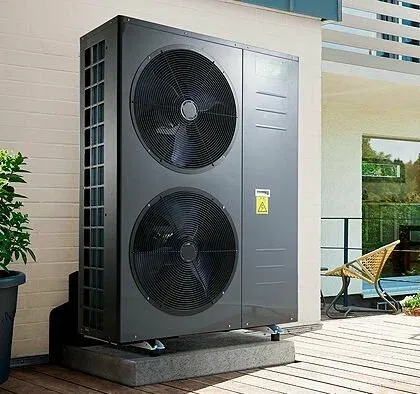

Heat pumps have gone mainstream in Michigan over the last decade, and for good reason. They heat and cool with a single system, they're far more energy-efficient than older electric or oil setups, and they qualify for a growing list of rebates and tax credits. But anyone who has lived through an Oakland County January knows the obvious question: can a system that "moves" heat actually keep a house warm when it's 5 degrees outside?
The short answer is yes — but only if the system is the right type, properly sized, and well maintained. Understanding how that works will save you money and a lot of cold mornings.
How a heat pump heats in the first place
Unlike a furnace, which burns fuel to create heat, a heat pump transfers heat from one place to another. In winter it pulls warmth out of the outdoor air — yes, even cold air holds usable heat — and moves it inside. In summer it runs in reverse, acting as your air conditioner. That two-in-one design is what makes it so efficient.
The catch is that the colder it gets, the harder a heat pump has to work to extract that heat. Older or undersized units lose efficiency quickly below freezing. Modern cold-climate heat pumps, however, are engineered with variable-speed compressors and enhanced refrigerants that keep them effective well into single-digit temperatures. If your system was installed in the last few years and chosen for Michigan's climate, it's likely far more capable than you'd expect.
The winter problems Oxford homeowners run into
Even a good heat pump can hit trouble during a long Michigan cold snap. A few of the most common issues:
Constant running. When temperatures plunge, your heat pump will run for longer stretches — that's normal. But if it never cycles off and the house still feels cool, something is off, whether it's airflow, refrigerant level, or a unit that's simply too small for the space.
Defrost cycle confusion. Heat pumps periodically melt frost off the outdoor coil, briefly blowing cooler air or steaming visibly. Homeowners often mistake this for a breakdown. It isn't — but a unit stuck in defrost, or one icing over completely, needs attention.
Auxiliary heat that won't quit. Most systems have backup electric heat strips for extreme cold. If that "emergency heat" runs constantly, your electric bill spikes and it usually points to a sensor, refrigerant, or control problem rather than normal operation.
Strange noises or weak airflow. Grinding, buzzing, or noticeably weaker output are early warnings that a component — often the blower motor, fan, or reversing valve — is wearing down.
What you can handle, and what you shouldn't
Some maintenance is genuinely DIY. Keep the outdoor unit clear of snow, ice, and leaves. Change your air filter every one to three months. Make sure nothing is blocking your indoor vents. These small habits prevent a surprising share of mid-winter failures.
Other problems shouldn't wait. Refrigerant issues, electrical faults, a frozen-over coil, or a system short-cycling in subzero weather all call for a licensed technician — both because of the diagnostic equipment involved and because a small fault left alone in January can cascade into a full system failure on the coldest night of the year. If your unit is showing any of these symptoms, scheduling prompt heat pump repair in Oxford, MI is far cheaper than gambling on whether it'll limp through the next freeze.
The bottom line
A properly chosen, well-maintained heat pump is a legitimate primary heating source in Michigan — not just a mild-weather convenience. The homeowners who have the best experience are the ones who treat winter performance dips as signals worth checking rather than noise to ignore. Stay ahead of the small stuff, and your heat pump will return the favor when the temperature drops.























Sign in to leave a comment.