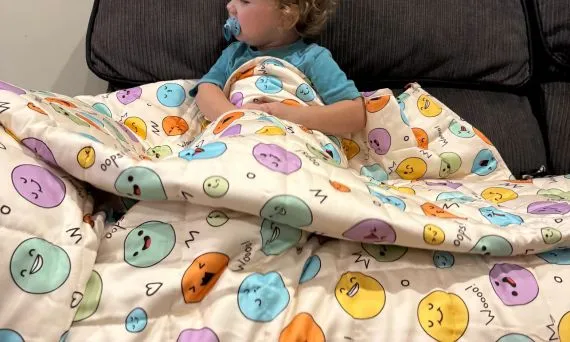

If you are a parent of a child with autism, chances are you have come across the term "weighted blanket" at some point, perhaps recommended by a therapist, mentioned in a support group, or spotted while searching for better sleep solutions. But do autism weighted blankets actually work, or are they just another wellness trend?
In this article, we break down what the research says, how these blankets work scientifically, and what Australian families need to know before choosing the right kids weighted blanket for their child.
What Are Autism Weighted Blankets?
Autism weighted blankets are specially designed blankets filled with evenly distributed weight, typically glass beads or poly pellets, that apply gentle, consistent pressure across the body. Unlike a regular blanket, the added weight creates a sensation similar to being hugged or held, which many children find deeply calming.
These blankets have been used therapeutically since the 1970s, when occupational therapists began introducing them as a sensory tool for children with autism spectrum disorder (ASD) and sensory processing disorder (SPD). Over time, they have become one of the most widely recommended non-medical interventions for children who struggle with sensory overload, anxiety, and disrupted sleep.

How Do Weighted Blankets Work? The Science Behind Deep Pressure Stimulation
Weighted blankets work by applying gentle, even pressure across the body, a technique known as deep pressure stimulation (DPS). This pressure signals the nervous system to shift from a state of stress into a state of calm, helping children feel more settled, secure, and ready for sleep.
Understanding Deep Pressure Stimulation (DPS)
The core mechanism behind autism-weighted blankets is a technique known as deep pressure stimulation (DPS). When gentle, even pressure is applied to the body, it activates the parasympathetic nervous system, the part of our nervous system responsible for rest and calm.
This process triggers the release of serotonin and dopamine, the body's natural "feel good" chemicals, while simultaneously reducing cortisol, the stress hormone. The result is a measurable reduction in anxiety and a greater sense of physical and emotional calm.
For children with autism, whose nervous systems are often in a heightened state of alertness, this calming effect can be particularly significant.
What Do Studies Show?
The research on weighted blankets is growing, and while it is still developing, several studies point to meaningful benefits, especially for children with ASD and sensory-related conditions.
Importantly, occupational therapists who are trained specialists in sensory integration continue to recommend kids weighted blankets as part of broader sensory diet programs for children on the autism spectrum.
Key Benefits of Weighted Blankets for Children with Autism
For children with autism, the right sensory support can make a world of difference from calmer bedtimes to more settled days.
Reduced Anxiety and Sensory Overload
Children with autism often experience sensory overload, a state where the brain becomes overwhelmed by sensory input such as sounds, textures, lights, or touch. A weighted blanket provides consistent, predictable sensory input that helps the brain self-regulate, reducing feelings of overwhelm and anxiety.
Improved Sleep Quality
Sleep difficulties affect up to 80% of children with autism, according to widely cited clinical estimates. Kids weighted blankets help many children fall asleep faster and stay asleep longer by creating a sense of security and reducing nighttime restlessness. Pairing a weighted blanket with a supportive sleep environment such as a quality memory foam pillow Australian parents trust can further enhance a child's sleep routine.

Better Emotional Regulation
Consistent use of autism weighted blankets has been associated with improved emotional regulation in children. The calming effect of deep pressure can help children manage meltdowns, transitions, and moments of frustration more effectively over time.
Supports Focus and Attention
Some therapists and parents report that weighted blankets also support focus during quiet activities, such as reading or homework, by reducing fidgeting and helping children feel more grounded in their environment.
Choosing the Right Kids Weighted Blanket
What Weight Is Recommended?
The most widely accepted guideline is to choose a blanket that is approximately 10% of your child's body weight. For example, a child weighing 30kg would typically benefit from a 3kg blanket. Auteeze offers kids weighted blankets in 2 kg, 3 kg, 4 kg, and 5kg options to suit a range of ages and body types.
If your child falls between two weight options, always choose the lighter one a blanket that is too heavy can feel restrictive rather than comforting.
Why Material Matters : The Bamboo Difference
Not every child weighted blanket is made equally. For children with autism who may also have increased skin sensitivity, the type of fabric utilized is very important. Bamboo cloth, which is naturally hypoallergenic, temperature-regulating, and kind to delicate skin, is used to make autism blankets.
Bamboo fabric keeps children cool in summer and warm in winter, making it ideal for year-round nightly use, an important consideration for Australian families navigating varying seasonal temperatures.
All Auteeze blankets are also OEKO-TEX® certified, meaning they have been independently tested and confirmed to be free from harmful substances.
Fun Designs for Kids
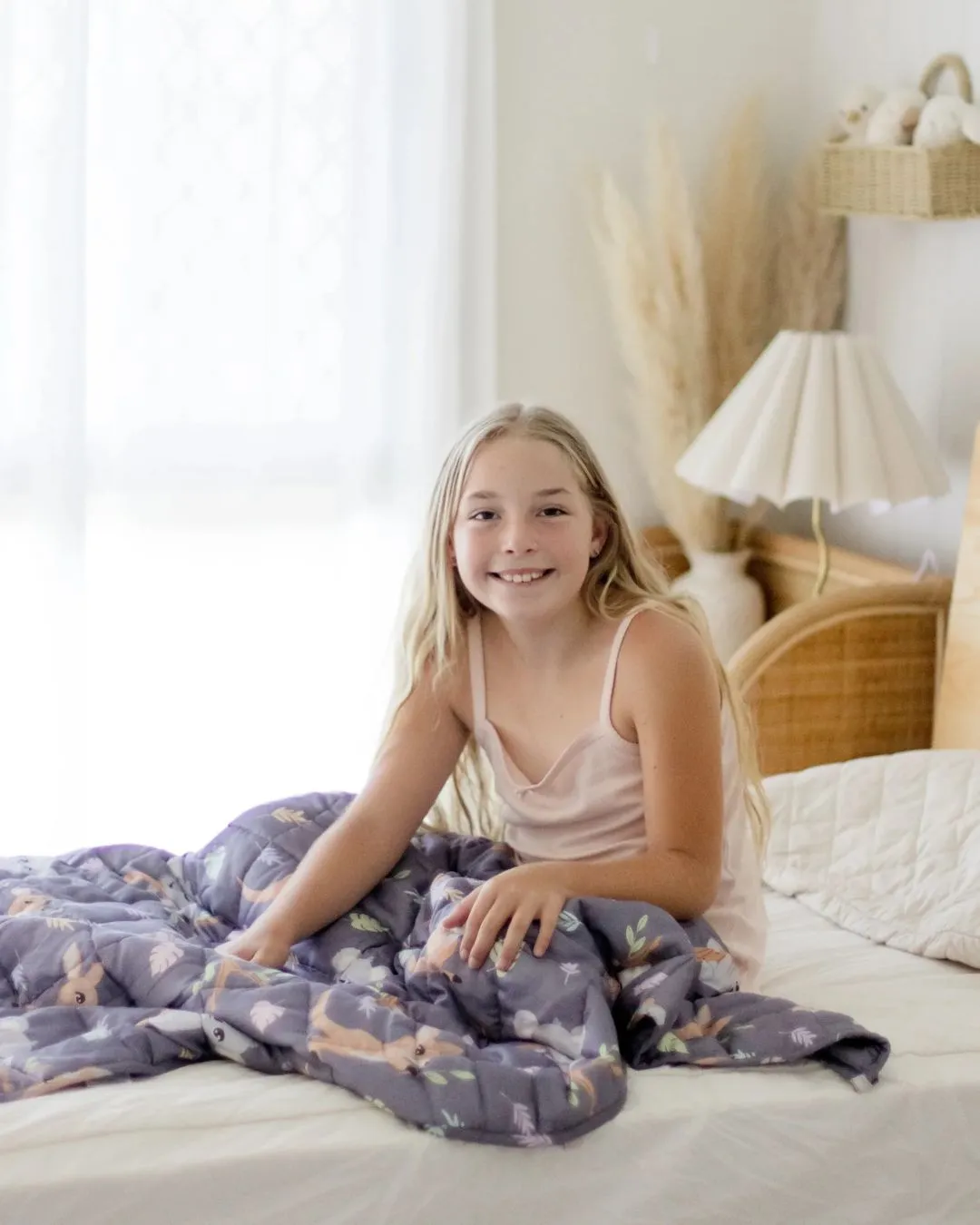
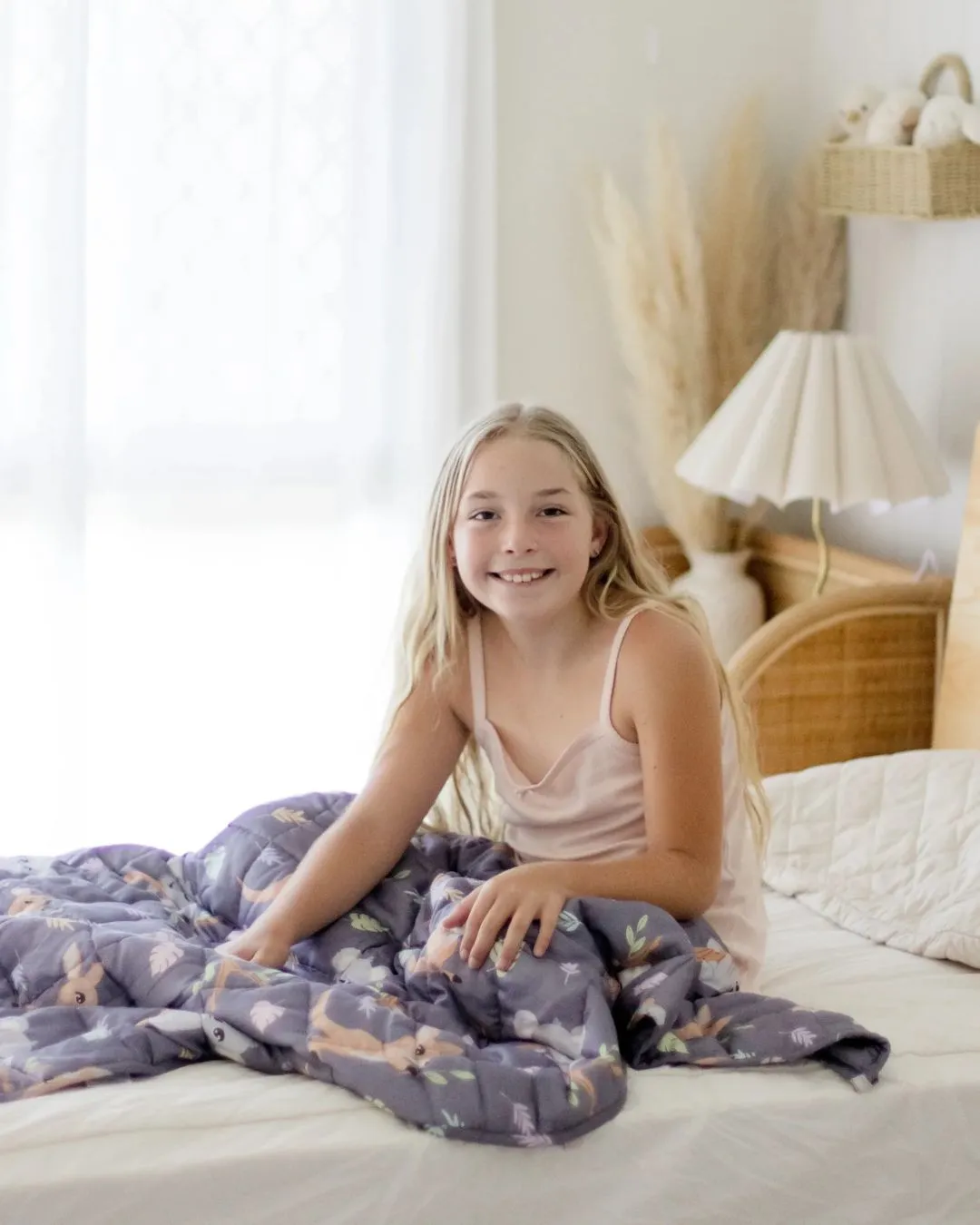
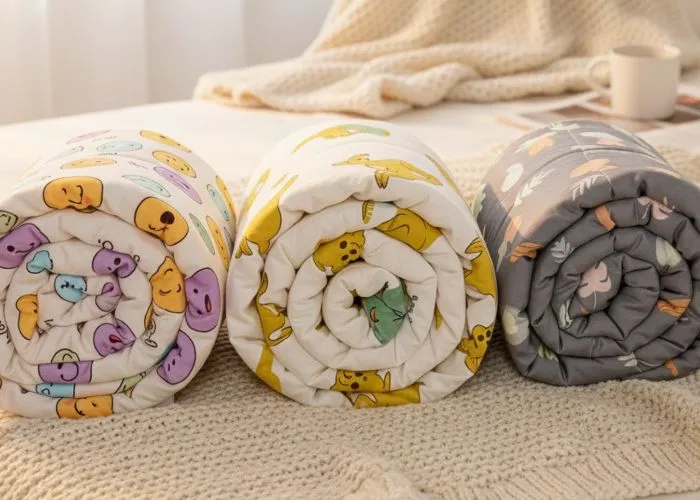
Children are more likely to use a comfort item consistently when they feel a connection to it. Auteeze offers kid-friendly designs, including the popular Kangaroo and Koala weighted blanket, which celebrates Australian wildlife in a way that resonates with local children and families. Choosing a design your child loves makes it easier to build the blanket into a consistent bedtime routine.
What Occupational Therapists Say
Occupational therapists (OTs) are among the strongest advocates for weighted blankets in autism care. As part of a broader sensory integration program, OTs frequently recommend autism weighted blankets alongside other tools such as sensory swings, fidget toys, and structured routines.
They stress that weighted blankets are most effective when worn regularly and progressively, ideally at the same times every day, such as during sleep, quiet time, or wind-down periods. To find the ideal weight, timing, and usage pattern for your child's specific needs, always speak with their occupational therapist.
Final Thoughts
A weighted blanket has been shown to be a truly useful tool for lowering anxiety, enhancing sleep, and promoting sensory regulation for a large number of autistic children. They are a low-risk, non-invasive option that many families find transformative, even if they are neither a cure nor a one-size-fits-all treatment.
If you are ready to try one, explore our full range of kids weighted blankets at Auteeze thoughtfully designed for Australian children with comfort, safety, and sensory needs in mind.





















Sign in to leave a comment.