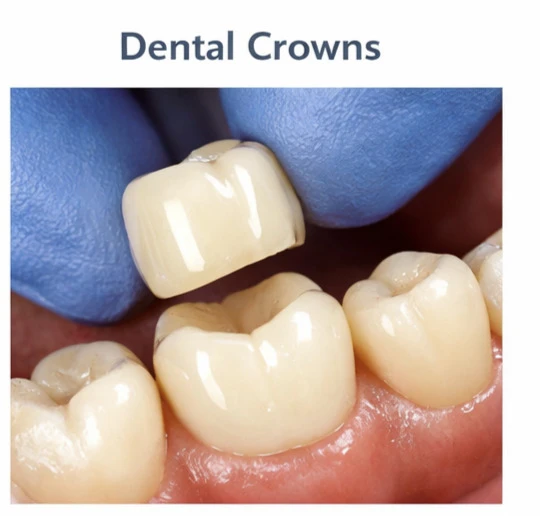

One of the most frequent queries among people who have recently had a root canal or are getting ready for one is if you will also require a dental crown following the procedure. Dental crowns are used at Smile Lounge in Frisco, Texas, to strengthen and improve the appearance of damaged teeth. However, what connection does that have to root canal therapy?
What Happens During a Root Canal?
In order to relieve pain and prevent infection from spreading, a root canal removes damaged or infected pulp from inside a tooth. Although the structure and function of the tooth are preserved, the external strength of the tooth is not entirely restored by this procedure, particularly if a significant amount of internal tooth material was removed. After the pulp is removed, the treated tooth is frequently weakened, making it potentially more vulnerable.
Why a Crown Is Often Recommended
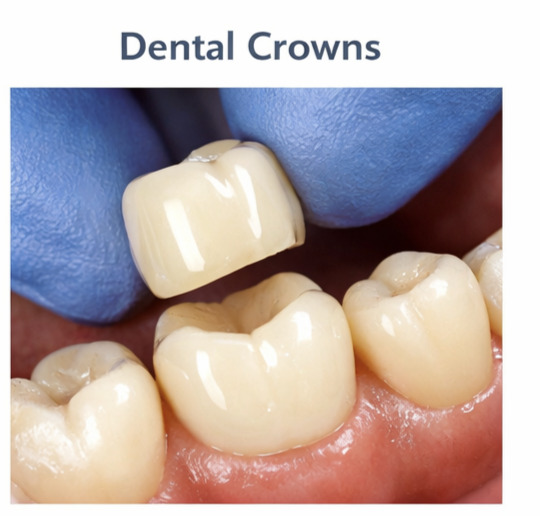
Dental crowns, sometimes referred to as 'caps', are a common restorative procedure used following extensive dental work. They completely encase the visible portion of a tooth above the gum line. Crowns are made to order at Smile Lounge to restore a tooth's weak structure and match your natural teeth.
Crowns are commonly advised following root canal therapy for the following reasons:
1. Guarding Against Damaged Tooth Structure
The remaining tooth may become more fragile as a result of the internal tooth material being removed during a root canal. A crown provides a robust layer of protection, reducing the likelihood of breakage or cracking, particularly when chewing pressure is applied.
2. Restoring Appearance and Function
In addition to providing protection, a crown returns the tooth to its original size, shape, and function, enabling confident chewing and smiling.
3. Preventing Future Complications
Without a crown, a treated tooth may be more vulnerable to further decay or reinfection through microscopic gaps. Crowns provide a tight seal, helping to protect the tooth from harmful bacteria.
Are Crowns Always Necessary?
Although they are frequently advised following a root canal, dental crowns are not always absolutely necessary. For instance, your dentist may decide that a permanent filling alone is adequate if the treated tooth is a front tooth that does not sustain significant chewing forces and has little structural loss. The location of the tooth, the amount of structure left, and the tooth's strength following treatment all influence the choice.
However, crowns are typically recommended for the majority of back teeth, including molars and premolars, as they are more likely to crack without reinforcement and absorb more bite pressure.
When Is the Crown Placed?
In order to preserve the tooth while the permanent crown is being made, many dental offices, including Smile Lounge, which offers crowns, immediately place a temporary crown or filling following the root canal. You will return for a second appointment to have the final crown firmly cemented in place after the dental lab has finished creating your custom crown.
Conclusion:
One important step in finishing your restoration following a root canal is a dental crown. Crowns are generally advised because they strengthen weak teeth, restore function and appearance, and help avert further issues, though they are not always required. Custom crowns made to look natural and promote your long-term oral health are offered by Smile Lounge's skilled dentists.
Ultimately, your dentist will evaluate your specific case and recommend whether a crown is necessary for lasting protection and a confident smile.










Sign in to leave a comment.