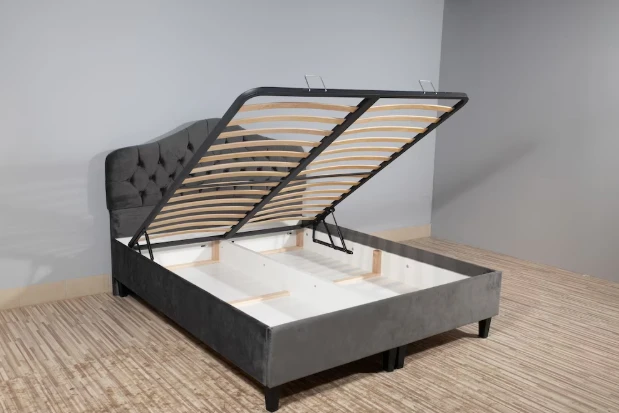

When setting up a bed, many people wonder: "Do I really need a mattress & box spring?" The answer depends on various factors, including the type of mattress, bed frame, and personal comfort preferences. Understanding the role of mattress & box springs in modern bedding will help you make an informed decision. While traditional innerspring mattresses often rely on a box spring for support, newer memory foam and hybrid models may not require one. Exploring whether a mattress & box spring are necessary for your sleep setup can improve comfort, support, and longevity.
The Traditional Role of Box Springs
Historically, box springs played a crucial role in bedding systems. They served multiple purposes, including:
- Support and Shock Absorption: Box springs, designed with a wooden frame and internal springs, provided a stable foundation, absorbing shock and reducing wear on the mattress.
- Ventilation: Elevating the mattress off the ground allowed for better airflow, preventing moisture buildup and reducing the risk of mold and mildew.
- Height Elevation: Box springs raised the mattress to a comfortable level, making it easier to get in and out of bed.
Evolution of Mattress Technology
Advancements in mattress design have changed the need for box springs. Here’s how different mattress types interact with support systems:
- Innerspring Mattresses: Traditional innerspring mattresses, featuring interconnected coils, often require a box spring for additional support and longevity.
- Memory Foam and Latex Mattresses: These mattresses are designed to be self-supportive, distributing weight evenly without the need for a box spring.
- Hybrid Mattresses: Combining innerspring coils with foam layers, hybrid mattresses usually have reinforced bases and can function well on solid foundations or platform beds.
Benefits of Using a Box Spring
While modern alternatives exist, using a box spring still offers some advantages:
- Enhanced Mattress Longevity: A box spring can help reduce wear and tear on the mattress by providing extra support.
- Increased Comfort: The slight bounce and shock absorption can make for a more comfortable sleeping experience.
- Even Weight Distribution: A box spring helps prevent sagging by evenly distributing the weight of the mattress and sleeper.
Alternatives to Box Springs
Modern bedding systems offer several alternatives that eliminate the need for a box spring:
- Platform Beds: These beds feature a solid or slatted base that provides direct mattress support without requiring a box spring.
- Adjustable Bases: Motorized frames allow for customizable mattress positioning, offering enhanced support and flexibility.
- Mattress Foundations: Similar in appearance to box springs but lacking internal springs, these foundations provide a solid and stable surface suitable for different mattress types.
Factors to Consider When Deciding on a Box Spring
When determining whether you need a box spring, consider the following:
- Mattress Compatibility: Check the manufacturer’s recommendations, as some mattress warranties require specific support systems.
- Bed Frame Design: If your bed frame lacks built-in support slats, a box spring or foundation may be necessary.
- Desired Bed Height: A box spring can add extra height to your bed, which may affect aesthetics and accessibility.
- Personal Comfort: Some people prefer the traditional bounce and feel of a box spring, while others opt for the firmer support of a platform bed or foundation.
Conclusion: Do You Need a Box Spring?
Ultimately, whether you need a box spring depends on your mattress type, bed frame, and personal preferences. Traditional innerspring mattresses often benefit from the added support of a box spring, while modern memory foam and hybrid mattresses generally do not require one. By evaluating your specific bedding setup and comfort needs, you can determine the best choice for your mattress & box springs.































Sign in to leave a comment.