

Sunscreen is one of those skincare steps everyone talks about—but not everyone follows consistently. A lot of people still wonder, “Do I really need sunscreen every single day?” Especially on cloudy days or when staying indoors, it can feel unnecessary.
Let’s clear the confusion by breaking down some common myths and facts so you can understand what your skin actually needs.
Why Sunscreen Matters More Than You Think
Sun exposure isn’t just about getting tanned. UV rays can quietly affect your skin over time, leading to:
- Premature ageing
- Pigmentation and dark spots
- Uneven skin tone
- Long-term skin damage
Even short, daily exposure adds up. That’s why using a face sunscreen regularly isn’t just about prevention—it’s about maintaining overall skin health.
Myth 1: “I Only Need Sunscreen on Sunny Days”
Fact: UV rays are present even when the sun isn’t visible.
Clouds can block sunlight, but they don’t completely block UV radiation. In fact, up to 80% of UV rays can still reach your skin on cloudy days.
So skipping sunscreen just because it looks dull outside can slowly lead to damage over time.
Myth 2: “I Stay Indoors, So I Don’t Need Sunscreen”
Fact: Indoor exposure still counts.
If you sit near windows, work on a laptop, or use your phone frequently, your skin is still exposed to light that can contribute to damage.
While it may not be as intense as direct sunlight, consistent exposure can still affect your skin’s texture and tone.
Myth 3: “Darker Skin Doesn’t Need Sunscreen”
Fact: Everyone needs protection.
While deeper skin tones have more natural melanin, they’re still prone to:
- Pigmentation
- Uneven skin tone
- Sun damage over time
Sunscreen isn’t just about preventing sunburn—it’s about protecting skin health across all skin types.
Myth 4: “Natural Ingredients Like Coconut Oil Are Enough”
Fact: Natural doesn’t always mean protective.
There’s a common belief that ingredients like coconut oil can act as sunscreen. While coconut spf does offer a very small level of protection, it’s nowhere near enough to shield your skin from harmful UV rays.
Relying only on natural oils can leave your skin unprotected, especially during prolonged exposure. It’s better to use a proper sunscreen and treat natural oils as supportive skincare, not sun protection.
Myth 5: “One Application in the Morning Is Enough”
Fact: Sunscreen needs reapplication.
Sunscreen doesn’t last all day. Sweat, oil, and daily activities reduce its effectiveness.
Ideally, you should:
- Apply sunscreen in the morning
- Reapply every 2–3 hours if you’re outdoors
Even a quick touch-up can make a big difference in maintaining protection.
How to Make Sunscreen a Daily Habit
If sunscreen feels like an extra step, try simplifying it:
- Use a lightweight formula that blends easily
- Apply it as the last step of your morning routine
- Keep it near your essentials so you don’t forget
Once it becomes part of your routine, it won’t feel like a task.
Choosing the Right Sunscreen
Not all sunscreens feel the same, and that’s often why people skip them.
Look for:
- Lightweight, non-greasy textures
- Formulas that suit your skin type
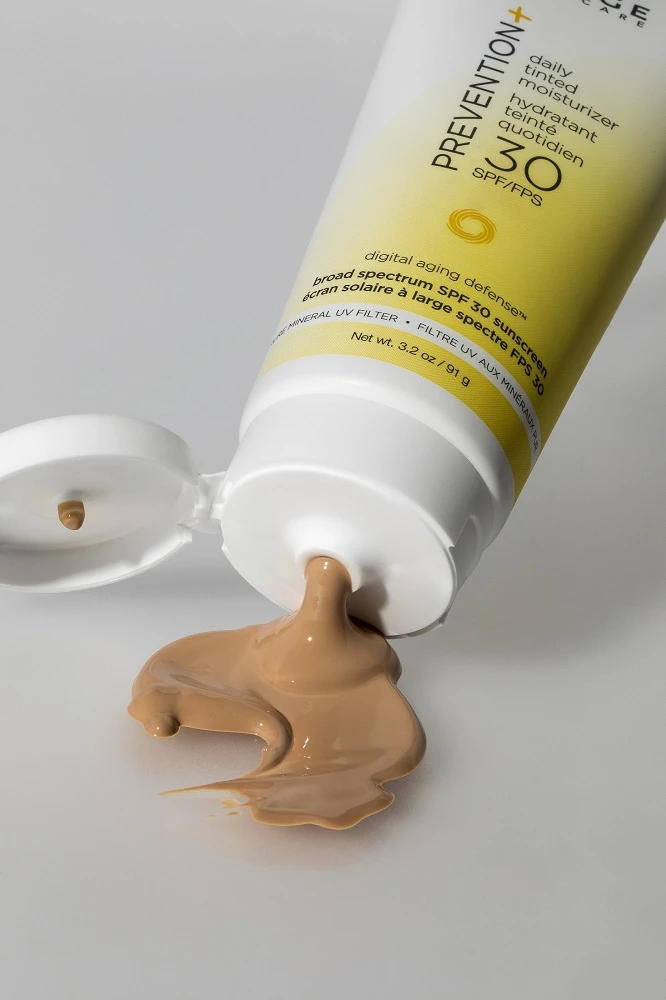
- Options that don’t leave a white cast
The right sunscreen should feel comfortable enough to use every day without hesitation.
The Bottom Line
So, do you really need sunscreen every day?
Yes—if you care about long-term skin health.
Daily sunscreen use helps protect your skin from gradual damage that isn’t always visible right away. It’s one of the simplest steps you can take to maintain healthy, balanced skin over time.
You don’t need a complicated routine. Just consistency.
Because when it comes to skincare, it’s the small habits—done daily—that make the biggest difference.



















Sign in to leave a comment.