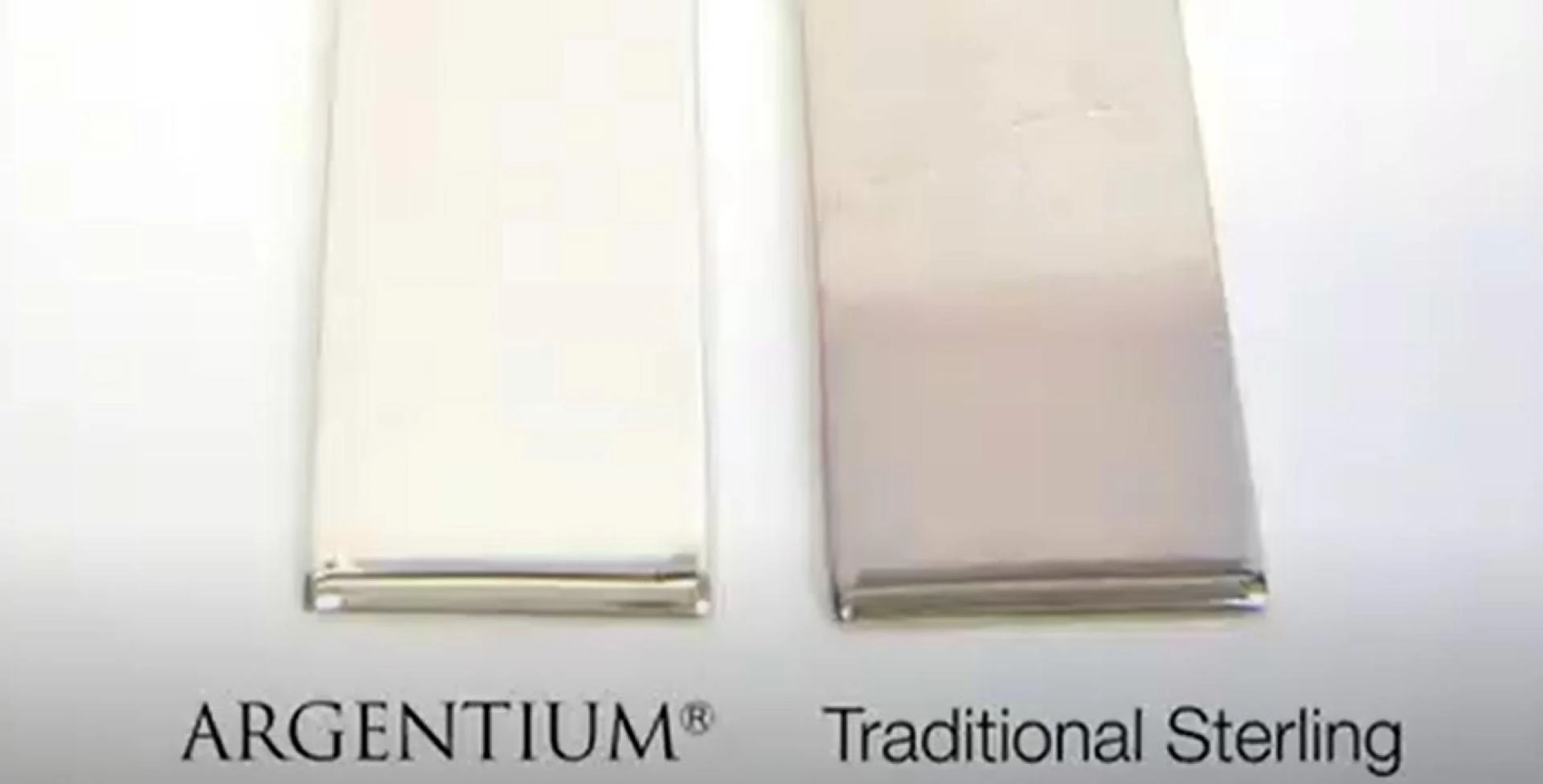

Does 950 Silver Tarnish?
Silver is a timeless and elegant material, widely cherished for its beauty and versatility. If you own or are considering purchasing silver jewelry or items, you might wonder: does 950 silver tarnish? Let's explore this topic in detail to help you understand how to care for your precious silver possessions.
What is 950 Silver?
950 silver, also known as 950 sterling silver, is an alloy made up of 95% pure silver and 5% other metals, usually copper. The term "950" signifies that out of 1000 parts, 950 are pure silver. This makes it a higher-grade silver compared to traditional sterling silver, which contains 92.5% silver and 7.5% other metals. Due to its higher silver content, 950 silver is often prized for its lustrous appearance and softness, making it ideal for intricate jewelry designs and luxury items.
Understanding Tarnish
Tarnish is a dulling or discoloration that appears on the surface of metals, particularly silver, due to chemical reactions. When silver comes into contact with sulfur-containing compounds in the air, it forms silver sulfide, which creates the dark, unattractive layer known as tarnish. This is a natural process that affects all silver to varying degrees, depending on the purity of the metal and environmental factors.
Does 950 Silver Tarnish?
Yes, 950 silver does tarnish. However, because it contains a higher percentage of pure silver compared to standard sterling silver, it is generally more resistant to tarnishing. The lower percentage of other metals, which are more reactive than silver, means that 950 silver tends to tarnish more slowly. However, it’s not immune to the effects of environmental exposure, so over time, tarnish will still occur.
Why Does Silver Tarnish?
Silver tarnishes due to its reaction with sulfur compounds found in the air and in various substances. Here are some of the main culprits:
Sulfur Compounds in the Air: Silver reacts with sulfur compounds like hydrogen sulfide present in polluted air, leading to tarnish.Contact with Skin: Oils, sweat, and cosmetics on your skin can also contribute to the tarnishing process, as these substances often contain sulfur.Exposure to Chemicals: Household chemicals, perfumes, lotions, and even certain foods like eggs can accelerate tarnishing due to their sulfur content.Factors That Affect Tarnishing in 950 Silver
Several factors can influence how quickly 950 silver tarnishes:
Environmental Factors: High humidity and pollution levels can speed up tarnishing. Living near the sea, where salty air is prevalent, can also accelerate the process.Frequency of Use: Regularly worn items like rings or bracelets may tarnish faster due to constant exposure to skin oils and environmental factors.Storage Conditions: Silver stored in open air or in humid environments will tarnish more quickly. Conversely, storing silver in a dry, cool place can slow down the tarnishing process.How to Prevent 950 Silver from Tarnishing
Preventing tarnish is all about minimizing exposure to the factors that cause it. Here are some tips:
Proper Storage: Store your 950 silver in a cool, dry place. Use anti-tarnish bags or cloths, which are specially designed to prevent tarnish. Silica gel packets in your jewelry box can also help absorb moisture.Regular Cleaning: Clean your silver regularly with a soft, non-abrasive cloth to remove oils and dirt. This helps prevent tarnish from forming in the first place.Protective Coatings: Some jewelers offer protective coatings that can be applied to silver to prevent tarnish. These coatings are usually invisible and can extend the time between cleanings.Cleaning Tarnished 950 Silver
If your 950 silver does tarnish, there are several ways to clean it:
Mild Soap and Water: For light tarnish, a mixture of mild soap and warm water can often do the trick. Gently rub the silver with a soft cloth or sponge.Homemade Remedies: A popular homemade remedy involves using a paste made from baking soda and water. Apply the paste to the silver, rub gently, and rinse thoroughly.Commercial Cleaners: For more stubborn tarnish, commercial silver cleaners are effective. Just be sure to follow the instructions carefully, as some cleaners can be too harsh for certain finishes.When to Seek Professional Help
If your 950 silver is heavily tarnished or has intricate designs that are difficult to clean, it might be best to seek professional help. A reputable jeweler can restore your silver's shine without damaging the piece.
Long-term Care for 950 Silver
To keep your 950 silver looking its best, follow these long-term care tips:
Routine Maintenance: Regularly polish your silver with a soft cloth. Avoid harsh chemicals and abrasives that can scratch or dull the surface.Avoiding Exposure: Remove silver jewelry before swimming, exercising, or using household chemicals. This prevents exposure to chlorine, sweat, and harsh substances that can accelerate tarnish.Myths About Silver Tarnishing
There are several myths about silver tarnishing that are worth debunking:
Myth 1: Silver Doesn't Tarnish if It's Pure: All silver, no matter the purity, can tarnish. Higher purity silver like 950 tarnishes slower but still undergoes the process.Myth 2: Tarnish Ruins Silver: Tarnish is a surface phenomenon and doesn't damage the underlying metal. It can be polished away to restore the original shine.Myth 3: Lemon Juice is Safe for Cleaning: While lemon juice can clean silver, its acidity can also cause pitting over time. It's better to use less acidic cleaning methods.Comparing 950 Silver with Other Silver Alloys
When comparing 950 silver to other silver alloys, such as 925 sterling silver or fine silver (99.9% pure), 950 silver offers a good balance between durability and resistance to tarnish. While fine silver tarnishes the least, it's too soft for most practical uses. 950 silver provides a middle ground, offering both beauty and practicality.
The Aesthetic Appeal of Patina
Patina refers to the natural aging process of silver, where the metal develops a softer, more subdued appearance over time. Unlike tarnish, which is often unwanted, some people appreciate patina for its vintage charm. The choice between maintaining a high shine or embracing patina is a matter of personal preference.
Is 950 Silver Worth the Investment?
950 silver is a great investment if you value high-quality, durable silver that requires less frequent polishing than lower grades. Its higher silver content gives it a luxurious appearance, making it a favorite for fine jewelry and heirloom pieces. With proper care, 950 silver can last a lifetime, retaining its beauty and value.
Conclusion
In conclusion, 950 silver does tarnish, but with its higher silver content, it tarnishes less quickly than other silver alloys. By understanding the factors that contribute to tarnishing and following proper care techniques, you can keep your 950 silver looking beautiful for years to come. Whether you prefer the high shine of freshly polished silver or the unique character of a patina, 950 silver is a versatile and valuable material that’s worth the investment.
FAQs
How often should I clean my 950 silver?
Regular cleaning every few months or when you notice tarnish is sufficient to maintain its shine.Can tarnish damage my 950 silver permanently?
No, tarnish is a surface issue that can be removed with proper cleaning, restoring the original shine.Is it safe to wear 950 silver every day?
Yes, but frequent contact with skin and the environment may increase the rate of tarnishing.What’s the best way to store 950 silver jewelry?
Store it in a cool, dry place, preferably in anti-tarnish bags or cloths to minimize exposure to air.Can I prevent tarnishing completely?
While you can’t prevent it entirely, you can significantly slow down tarnishing with proper care and storage.




















Sign in to leave a comment.