

Does Handwriting Analysis Work? Can Handwriting Analysis Be Used In Court?
There’s no denying that handwriting analysis can be fascinating. After all, who doesn’t want to know what their handwriting says about them? But does it work? Can it be used in court? Let’s take a closer look at the science (and pseudoscience) of handwriting analysis.
What Is Handwriting Analysis?
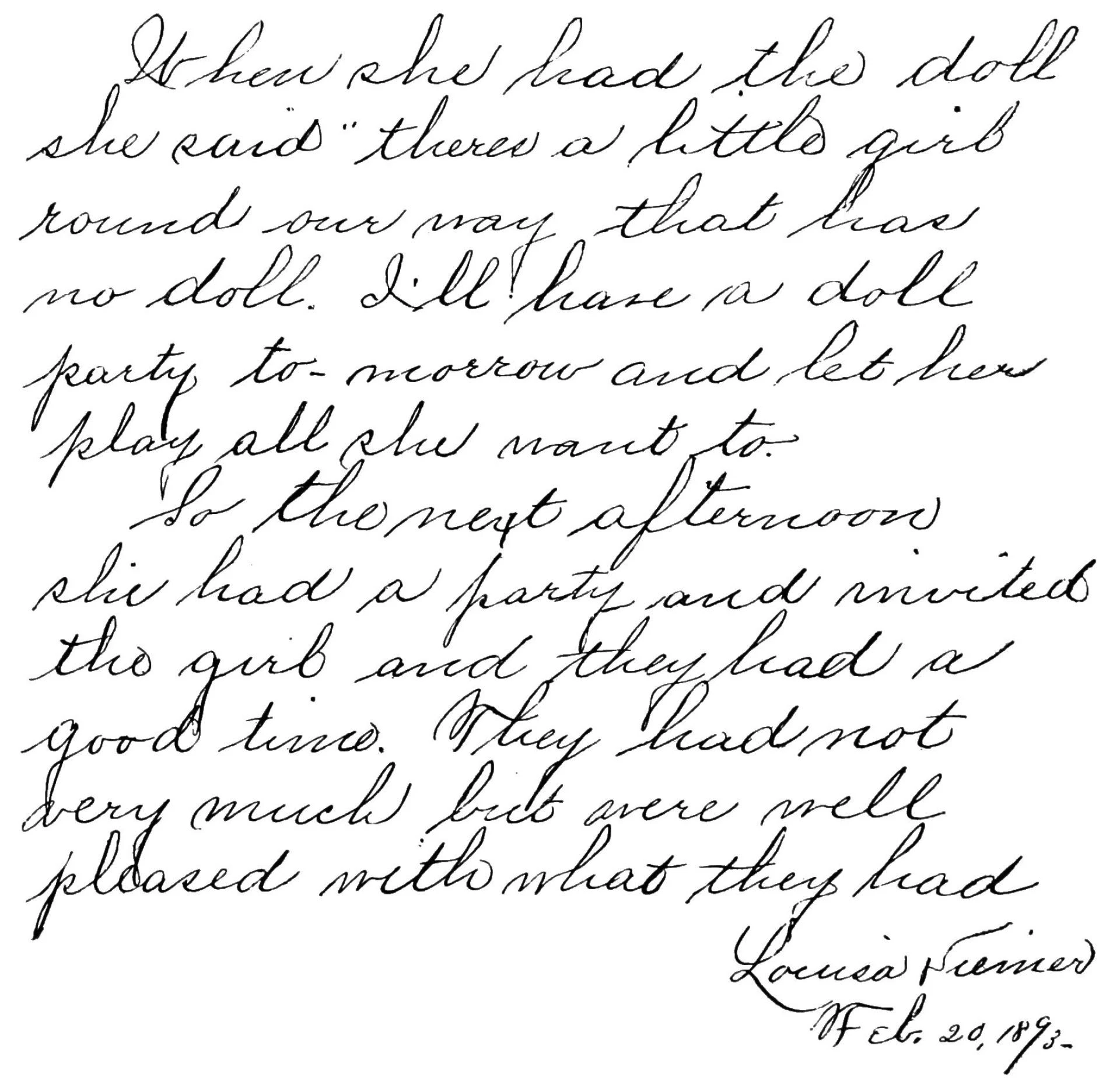
Handwriting analysis, also known as graphology, is the study of handwriting to analyze the writer’s personality. It is often used in court as part of a criminal investigation, but its reliability is often questioned.
Three main features of handwriting are analyzed:
Handwriting strokes, Letter formations, and Pressure.Handwriting strokes include the direction, thickness, and pressure of the strokes. Letter formations include the shapes of the letters and how they are connected. Pressure refers to how light or heavy the strokes are.
Graphologists believe these features can reveal information about a person’s personality, such as their level of intelligence, emotional state, and mental health. However, there is no scientific evidence to support these claims.
In addition, handwriting analysis is often used to determine if a person wrote a particular document. This is called forensic handwriting analysis. However, this type of analysis is also controversial because it is difficult to say that one person’s handwriting matches another’s accuracy.
Overall, there is no conclusive evidence that handwriting analysis is a reliable way to analyze someone’s personality or determine who wrote a particular document.
How Does Handwriting Analysis Work?
Handwriting analysis can be used for personal and professional purposes, such as determining whether someone is suited for a particular job or analyzing a person’s emotional state.
There are three main components to handwriting analysis: the study of the strokes, the study of the pressure, and the study of the spacing. Each of these components can provide information about the writer’s personality. For example, someone with wide spacing between their words may be more open and outgoing than someone with tight spacing.
The strokes in handwriting are also analyzed to determine personality traits. The direction of the strokes can indicate whether a person is introverted or extroverted. The size of the strokes can reveal how confident or insecure a person is. And the slant of the strokes can show how emotionally stable a person is.
The pressure on handwriting can reveal a lot about a person’s emotions. Light pressure indicates someone relaxed and easy-going, while heavy pressure indicates someone tense and stressed. The speed of the handwriting can also be telling; fast handwriting may indicate an impatient person, while slow handwriting may indicate a thoughtful person.
Finally, the spacing between letters and words can provide clues about a person’s thinking style. Wide spacing may indicate that a person is creative and expressive, while tight spacing may indicate the opposite.
Handwriting Analysis In The Courts
In the past, handwriting expert was used quite frequently in the courts. However, there is now a growing body of research that questions the validity of this practice. While some experts claim that they can accurately assess personality traits from someone’s handwriting, no scientific evidence supports these claims. Even if handwriting analysis could be shown to be accurate, it would likely only be useful for determining general personality characteristics and not specific details about a person’s life or criminal history. As such, it is unlikely that handwriting analysis will continue to be used in the courtroom.
The Science Of Handwriting Analysis
The science of handwriting analysis, also known as graphology, is the study of handwriting to analyze the writer’s personality. Graphologists believe that a person’s handwriting can reveal clues about their mental and emotional state and that analyzing these clues can be used to assess personality traits.
There is a long history of using handwriting analysis for personal and legal purposes. In the early 20th century, graphology was often used in court cases to determine whether a person was telling the truth or lying. However, scientific research has not found any evidence to support the claims made by graphologists, and today, courts generally do not accept handwriting analysis as evidence.
Despite the lack of scientific evidence, many people still believe in the power of handwriting analysis. Proponents claim that it can be used for everything from choosing a partner to predicting success in a job interview. While there is no definitive proof that handwritten analysis works, it remains a popular practice in many parts of the world.
Conclusion
Although the scientific jury is still out on whether handwriting analysis is truly accurate, some benefits can be gained from analyzing someone’s handwriting. If you’re interested in learning more about handwriting analysis, we suggest checking out one of the many books or online courses available on the subject. And if you find yourself in a court case where handwriting analysis is used, rest assured that it will likely only be one small part of the evidence being considered by the judge or jury.
Related Info:
Name: Handwriting Expert - Bart Baggett
Address:15233 Ventura Blvd Floor 5, Sherman Oaks, CA 91403
Phone#:1-323-544-9277









Sign in to leave a comment.