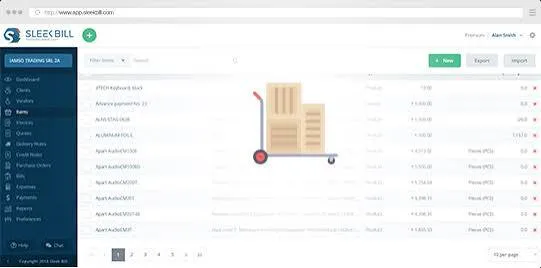

Managing invoices and inventory manually can create unnecessary challenges for businesses handling multiple orders, products, and customer transactions. Employees may spend hours checking stock availability, entering item details, calculating totals, and preparing bills. These repetitive tasks increase the risk of incorrect prices, duplicate entries, and billing delays. invoice and inventory management software helps simplify this process by connecting product information, stock records, and billing activities in one system. This integration improves accuracy, saves administrative time, and allows businesses to process customer orders more efficiently.
How Invoice and Inventory Management Software Simplifies Billing
1. Automated Invoice Generation
Preparing invoices manually requires employees to enter customer information, product descriptions, quantities, prices, and applicable taxes for every transaction. Repeating this process increases the likelihood of typing errors and inconsistent billing records. Automated invoicing allows businesses to generate bills using existing customer and product information, reducing repetitive data entry. Depending on the system, invoices can include predefined pricing, discounts, and tax settings. This helps employees prepare professional invoices faster, maintain consistent documentation, and focus more attention on customer service and other important business responsibilities.
2. Real-Time Inventory Visibility
Accurate billing depends on knowing which products are available and how many units can be supplied to customers. When inventory records are maintained separately, sales teams may prepare invoices for unavailable items or use outdated product information. Integrated software connects billing activities with inventory records, helping employees check stock quantities while processing orders. Depending on its functionality, the system may update stock levels after transactions are recorded. This connection reduces discrepancies between sales and inventory records, supports better order planning, and helps businesses communicate product availability more confidently.
3. Fewer Pricing and Calculation Errors
Manual calculations can become complicated when invoices include multiple products, discounts, taxes, and different pricing arrangements. Even a small arithmetic mistake can lead to incorrect totals, payment disputes, or additional administrative work. invoice and inventory management software can calculate line totals, applicable taxes, discounts, and invoice amounts using configured rules. Reusing approved product prices also reduces the need to enter the same information repeatedly. Although employees should verify unusual transactions and ensure tax settings remain current, automated calculations help businesses maintain more consistent billing records and reduce avoidable mistakes.
4. Faster Order Processing and Billing
Customers generally expect their orders to be processed promptly, especially when they need immediate confirmation of prices, quantities, and payment details. An integrated system can connect quotations, confirmed orders, inventory information, and invoices, reducing the need to transfer details manually between different records. Employees can retrieve existing customer information and product details rather than creating every document from scratch. This streamlined workflow helps businesses shorten billing preparation time, reduce repetitive administrative tasks, and improve coordination between sales, accounts, and inventory teams throughout the order fulfilment process.
5. Better Payment Tracking and Financial Records
Billing does not end when an invoice is generated. Businesses must also monitor payment status, outstanding balances, due dates, and overdue customer accounts. Digital invoicing tools can help maintain organized transaction histories and identify unpaid invoices more easily. When connected with accounting records, these features support better financial visibility and reduce the effort required to reconcile transactions. Managers can review outstanding amounts, follow up with customers, and prepare reports using available billing information. Reliable records also make it easier to investigate discrepancies and maintain a clearer picture of business cash flow.
6. Centralized Business Management
Billing becomes more efficient when customer details, quotations, orders, inventory, expenses, and reports are connected rather than maintained in isolated systems. Deskflow CRM brings these business activities together, helping teams coordinate customer relationships with essential operational workflows. Its communication integrations and AI-powered features can further reduce repetitive work and support faster customer engagement. Businesses can visit deskflowcrm.com to explore the platform's capabilities. An integrated approach helps employees access relevant information more easily, improve coordination between departments, and manage everyday transactions with fewer unnecessary steps.
Conclusion
Yes, invoice and inventory management software can simplify billing by automating invoice creation, connecting stock records, improving calculation accuracy, and organizing payment information. These capabilities help businesses save time, reduce administrative errors, and process orders more consistently. However, reliable results still depend on accurate product details, updated inventory records, correct tax settings, and regular transaction reviews. Choosing a solution that connects billing with wider business operations can help organizations improve efficiency, strengthen financial visibility, and provide customers with a smoother purchasing experience as the business grows.






















Sign in to leave a comment.