

So you're sitting there, scrolling through before-and-after pics of gorgeous permanent eyeliner, and suddenly your brain goes: "Wait, they put needles WHERE?"
Yeah, I had the same reaction.
The whole idea sounds terrifying when you first hear about it. Needles. Eyes. Permanent. Those three words together feel like a recipe for disaster. But here's what actually happens versus what you're probably imagining in your head right now.
What Goes Down During This Thing
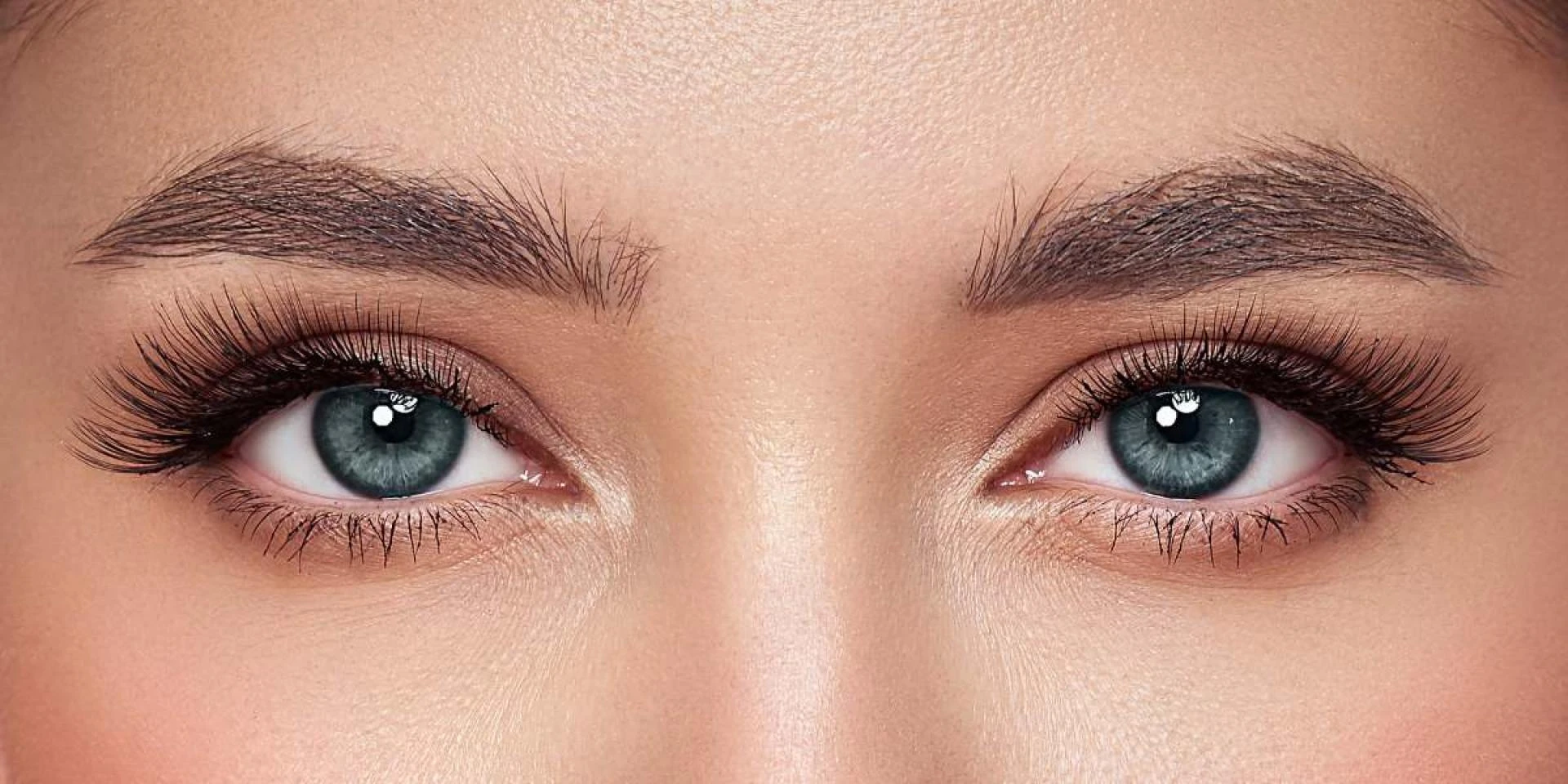
Permanent eyeliner is tattooing, plain and simple. Someone takes a specialized tool (way tinier than regular tattoo equipment) and deposits pigment into your lash line. Could be top lid, bottom lid, or if you're feeling bold—both.
Now before you close this tab and give up on the whole idea, most places offering permanent eyeliner Boston clients recommend will numb you up first. They slap this cream on your lids and let it sit for maybe 20 minutes. Does it make you feel absolutely nothing?
Not really, but it helps a lot.
The Pain Question Everyone's Asking
Okay so does it hurt? Kinda depends on you, honestly.
My pain tolerance is pretty average. I can handle getting my brows waxed without flinching but I'm a total baby about paper cuts. When I got mine done, it felt like... you know when you're putting on mascara too fast and you accidentally jab the wand into your lash line? That sharp little "ow" moment? Imagine that but way more controlled and repetitive.
Some spots barely registered. Other spots made me grip the chair.
Upper lash line was easier for me—didn't really hurt, just felt weird and uncomfortable. Lower waterline though? That was rough. My eyes started watering like crazy and I kept wanting to pull back. The tech kept saying "you're doing great!" which I'm pretty sure is code for "please stop squirming."
I've heard people describe it as:
- Scratchy (yeah, accurate)
- Like someone's drawing on your eyelid with a really sharp pencil
- Annoying more than painful
- Aggressive tweezing
One girl in the waiting room told me she almost fell asleep during hers. I wanted to ask what she was on because that definitely wasn't my experience.
Stuff That Actually Helps
The numbing cream is clutch, obviously. But good artists do other things too.
They work in sections so you get little breaks. They reapply numbing gel partway through if you need it. Some people talk to you the whole time (honestly helps distract you). Others work in silence and let you zone out with music.
When you're checking out permanent eyeliner Boston studios, pick someone who's done this a million times. Not someone fresh out of training. Experience matters SO much here. They know exactly how to work quickly without being sloppy. They can read when you need a break versus when you're just nervous but fine.
Also—don't book with whoever's running a Groupon special for $99. Your eyes are literally on your face forever. Maybe invest a bit more?
The Healing Part Nobody Warns You About
Here's where it gets annoying.
The actual appointment? That's maybe an hour or two of mild to moderate discomfort. The healing? That's a solid week of your eyes feeling tender, looking puffy, and you not being able to do anything about it.
First day or two, your lids are swollen. Not like "oh no I can't leave the house" swollen, but noticeable. They're red. They're sore when you blink. The color looks insanely dark—like way darker than you wanted. I remember texting my tech like "um this is BLACK" and she was like "girl, relax, give it a week."
She was right but those first few days I was convinced I'd made a terrible mistake.
You can't:
- Rub your eyes (hardest rule to follow)
- Wear any eye makeup
- Get them wet in the shower (try washing your hair without getting your face wet... it's impossible)
- Go swimming
- Cry during sad movies (okay you CAN but then you gotta dab very gently)
They'll get crusty. Some flaking happens. You gotta resist picking at it even though every fiber of your being wants to.
The eyebrow healing process follows this same frustrating pattern, by the way. First they're too dark, then they flake, then you panic thinking the color's gone, then it settles into the perfect shade around week 4-6. Your body needs time to adjust to having foreign pigment deposited in the skin. There's no rushing it and if you try—picking, rubbing, skipping the ointment—you'll mess up what could've been great results.
Some People Just Shouldn't
Real talk time.
If you're pregnant or breastfeeding, wait. Your body's already doing enough. If you have active skin conditions around your eyes, or you heal really slowly from injuries, maybe skip this. Same if you're prone to keloid scarring.
Also? If you know you're terrible at following directions (we all have that one friend), this might not be your thing. The aftercare isn't complicated but you gotta actually do it.
Was It Worth The Drama?
For me? Absolutely yes.
That hour of discomfort and week of annoying healing gave me years of perfect eyeliner. I wake up and already look more awake. I go to the gym and don't come home looking like a melted raccoon. I cry during movies and my liner stays put.
Would I do it again? In a heartbeat.
But I'm not you. Maybe you have super sensitive eyes. Maybe your pain tolerance is lower. Maybe the whole idea just freaks you out too much.
Final Thoughts From Someone Who's Been There
Talk to multiple artists before committing. Look at their healed work, not just fresh photos (anyone can make fresh work look good). Read reviews. Ask questions. Even the "dumb" ones like "what if I sneeze" or "can I still wear contacts."
Getting permanent eyeliner isn't painless. Anyone who tells you it is—they're lying. But it's also not the horror show you might be imagining. It's uncomfortable, sure. Your eyes might water. You'll probably grip something during the sensitive parts.
But then you're done. And you have perfect eyeliner every single day without lifting a finger.
For a lot of people, including me, that trade-off makes total sense.





















Sign in to leave a comment.