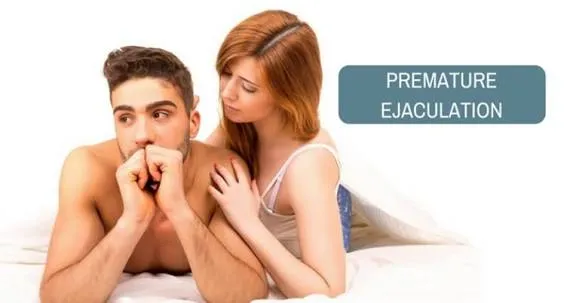

Many men wonder whether Premature Ejaculation naturally becomes worse as they get older. The answer is more nuanced than simply saying yes or no.
Age can bring changes in sexual response, erections, hormones, prostate health, medications, stress levels, and relationships. These factors may influence ejaculation control in some men.
However, getting older does not automatically mean that Premature Ejaculation will become worse.
Some men experience fewer sexual concerns with age, while others may develop new ejaculation difficulties after years of normal sexual function.
Understanding the reason for the change is more important than blaming age itself. Men who notice persistent changes can seek guidance from a trusted fertility clinic in Tanjore.
Does Premature Ejaculation Naturally Get Worse With Age?
Not necessarily.
Premature Ejaculation can occur at different stages of life.
Some men experience it from their early sexual experiences, while others develop ejaculation difficulties later.
Age itself is not considered a simple cause of worsening Premature Ejaculation.
Instead, changes that become more common with age may indirectly affect sexual function.
These can include:
- Erectile difficulties
- Stress and anxiety
- Relationship changes
- Hormonal changes
- Certain medications
- Prostate or urinary problems
- Chronic health conditions
- Changes in sexual activity
Therefore, a man who develops ejaculation problems later in life should not assume that the condition is simply a normal part of ageing.
Why Can Ejaculation Control Change With Age?
Sexual response involves the brain, nervous system, hormones, blood vessels, and reproductive organs.
Changes in any of these areas can influence sexual function.
Erectile Changes
Erections may become less predictable with age.
A man who worries about losing his erection may rush sexual activity. This can sometimes contribute to faster ejaculation.
In such cases, addressing the erectile concern may also improve ejaculation control.
Increased Stress
Work responsibilities, financial concerns, family changes, and relationship issues can affect sexual confidence.
Stress may increase anxiety during sexual activity and make it harder to maintain control.
Health Conditions
Conditions such as diabetes, cardiovascular disease, obesity, and other chronic health problems can affect sexual function.
Good management of overall health is therefore an important part of maintaining sexual well-being.
Medication Effects
Some medications can influence sexual function.
If ejaculation changes after starting, stopping, or changing a medication, discuss the change with your doctor rather than stopping prescribed treatment independently.
Can Men Develop Premature Ejaculation Later in Life?
Yes.
A man who previously had satisfactory ejaculation control can develop what doctors may describe as acquired Premature Ejaculation.
The change may be associated with another sexual or medical issue.
Possible contributors include:
- Erectile dysfunction
- Prostate or urinary symptoms
- Performance anxiety
- Relationship stress
- Hormonal concerns
- Medication effects
- Changes in sexual activity
Identifying the underlying factor is important because treatment can then be targeted toward the actual problem.
Is Early Ejaculation Always Premature Ejaculation?
No.
Ejaculation timing can vary between sexual encounters.
Occasional early ejaculation may happen because of:
- High excitement
- A long gap between sexual activity
- Anxiety
- New sexual circumstances
- Increased stimulation
This does not automatically mean a man has Premature Ejaculation.
A persistent pattern involving reduced control and significant distress is more important clinically.
Doctors look at the overall sexual experience rather than one isolated episode.
What About Nightfall in Men?
Nightfall in men is different from Premature Ejaculation.
Nightfall, or nocturnal emission, is an involuntary ejaculation that occurs during sleep.
Premature Ejaculation occurs during sexual activity and involves difficulty delaying ejaculation.
Occasional nightfall is generally a normal physiological process.
Therefore, experiencing nightfall does not mean that ejaculation control during sex is becoming worse with age.
Can Lifestyle Changes Help?
Healthy lifestyle habits can support sexual and reproductive health at any age.
Useful habits include:
Regular Exercise
Physical activity supports cardiovascular health, weight management, mood, and overall well-being.
Good Sleep
Poor sleep can affect energy, mood, stress, and hormonal health.
Maintaining a regular sleep routine may support healthier sexual function.
Stress Management
Meditation, walking, breathing exercises, yoga, and other relaxation methods can help manage anxiety.
Healthy Nutrition
A balanced diet rich in vegetables, fruits, whole grains, healthy proteins, and healthy fats supports general health.
Avoid Smoking
Smoking can negatively affect blood vessels and sexual function.
Reducing or avoiding tobacco is beneficial for overall reproductive health.
When Should You See a Doctor?
Not every change in ejaculation requires medical treatment.
However, seek professional advice if:
- Premature Ejaculation happens repeatedly
- You have difficulty controlling ejaculation
- The problem causes distress
- It affects your relationship
- Erectile difficulties occur at the same time
- You develop urinary or pelvic symptoms
- Ejaculation becomes painful
- The change appears suddenly
- You have fertility concerns
A new or persistent sexual symptom deserves proper evaluation rather than self-diagnosis.
How Is Premature Ejaculation Evaluated?
There is no single test that confirms Premature Ejaculation.
A doctor will usually ask about your sexual history and the pattern of symptoms.
Questions may include:
- When did the problem begin?
- Was ejaculation control previously normal?
- Does early ejaculation occur during most sexual encounters?
- Can you delay ejaculation?
- Are erections satisfactory?
- Are there urinary symptoms?
- Are you taking any medications?
- Are stress or relationship concerns affecting sexual activity?
A physical examination or additional tests may be recommended when symptoms suggest an underlying medical condition.
What Treatment Options Are Available?
Treatment depends on the cause.
Depending on the individual, management may include:
- Behavioural techniques
- Counselling
- Sex therapy
- Pelvic floor exercises
- Stress management
- Treatment of erectile problems
- Lifestyle changes
- Prescription medication when appropriate
Not every man requires medication.
A personalised treatment approach can address the physical and psychological factors contributing to the problem.
Can Premature Ejaculation Affect Fertility?
Premature Ejaculation does not automatically indicate infertility.
Many men with Premature Ejaculation have normal sperm production and fertility.
However, severe ejaculation difficulties may sometimes make intercourse or semen deposition difficult. This can indirectly affect natural conception.
If pregnancy is not occurring despite regular attempts, a fertility assessment may be appropriate.
A fertility hospital in Tanjore can evaluate male and female reproductive factors when clinically indicated.
Choosing Professional Reproductive Care
At Dr. Aravind's IVF Fertility & Pregnancy Centre, men can discuss ejaculation concerns, sexual health, sperm quality, and fertility in a confidential clinical environment.
When comparing the best IVF centre in India, patients should look beyond marketing claims. Experienced specialists, proper diagnosis, laboratory quality, personalised treatment planning, and clear communication are important considerations.
The right treatment should be based on medical findings rather than age alone.
Conclusion
Premature Ejaculation does not automatically get worse with age.
Age-related changes in erections, hormones, health conditions, medications, stress, and relationships can influence sexual function, but these factors vary from person to person.
A man who develops persistent ejaculation problems later in life should not simply accept them as an unavoidable part of ageing.
Early evaluation can identify treatable factors and provide appropriate guidance.
At Dr. Aravind's IVF Fertility & Pregnancy Centre, personalised reproductive and male fertility care can help men understand changes in sexual function and explore suitable treatment options.
If ejaculation problems are affecting your confidence, relationship, or fertility goals, consulting a trusted fertility clinic in Tanjore can be a useful first step.
Frequently Asked Questions
1. Does Premature Ejaculation become more common with age?
Age alone does not automatically cause Premature Ejaculation to worsen. However, erectile difficulties, health conditions, medications, stress, and relationship factors can influence ejaculation control.
2. Can a man develop Premature Ejaculation after 40?
Yes. Men can develop acquired Premature Ejaculation after previously having normal sexual control. An underlying sexual, psychological, or medical factor may contribute.
3. Is early ejaculation during some sexual encounters normal?
Yes. Occasional early ejaculation can happen due to excitement, anxiety, prolonged abstinence, or changes in sexual circumstances. Persistent lack of control is more important clinically.
4. Is Nightfall in men related to Premature Ejaculation?
No. Nightfall is an involuntary ejaculation during sleep, while Premature Ejaculation occurs during sexual activity. They are separate conditions.
5. When should older men seek treatment for Premature Ejaculation?
Men should consider professional evaluation when the problem is persistent, difficult to control, causes distress, affects relationships, or occurs with erectile, urinary, pelvic, or fertility concerns.























Sign in to leave a comment.