

As corporations operate larger sites, different locations and vital infrastructure, the security concerns have become increasingly complex. An effective response often requires timely, precise information, dependable communications, and coordinated decision making—all in one place. A private security command center combines those skills by providing a central point for monitoring activities, controlling issues and supporting field personnel. Command centers are often linked with emergency services, but many private firms are adopting them to increase security, response times and business continuity.
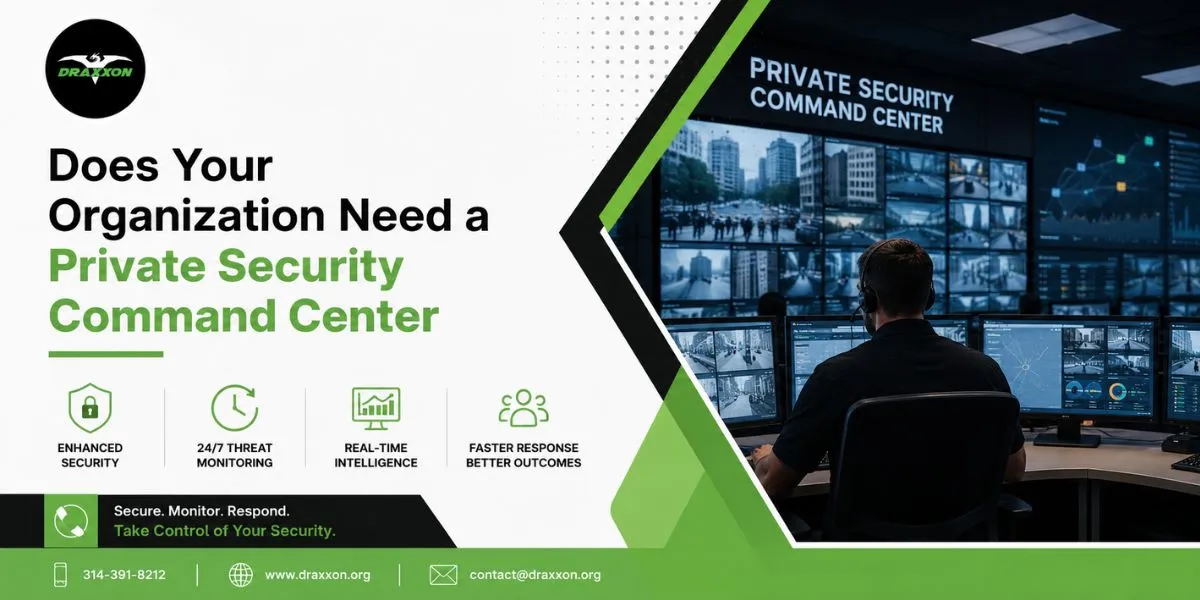
Why Are Organizations Investing in Private Security Command Centers?
Many companies are finding that standard security measures may not be enough to achieve the level of coordination needed in critical situations.
Security Operations Have Become More Complex
Modern corporations frequently have numerous buildings, distribution centers, and off-site facilities. Security staff could also be tasked with surveillance systems, access controls, and visitor management. Also emergency response plans all at once. Centralizing the coordination of these actions improves the awareness of the issue.
Faster Decisions Reduce Response Time
In the event of an incident, the speed of communication can determine the result. Having a command center helps decision-makers to gather information from numerous sources, analyze the situation and organize resources without broken communication.
What Does a Private Security Command Center Do?
The operational headquarters is a command centre where monitoring, communication and incident coordination are managed.
Centralized Monitoring
Security staff may view video surveillance, alarm systems, access control and other technologies from a single point. Teams have a broader view of what’s going on in operations instead of tracking individual systems.
A command center commonly integrates:
- CCTV surveillance
- Access control systems
- Intrusion detection
- Emergency communications
- GPS tracking
- Incident reporting software
The integration of these systems enables operators to react more efficiently to changing conditions.
Incident Coordination
In an emergency, several teams may need to communicate at the same time. A centralized command center can help coordinate security officers, emergency responders and senior leadership. While maintaining clear communication throughout the operation.
How Do Mobile Command Centers Expand Operational Capabilities?
Some organizations need command capabilities beyond a permanent facility. Mobile solutions can shift operations directly to the incident area as needed.
Flexible Deployment
A mobile command center offers communication and operational support wherever it is needed. Flexibility is particularly crucial. In cases such as natural disasters, huge public events, infrastructure inspections or distant operations.
Support for Specialized Missions
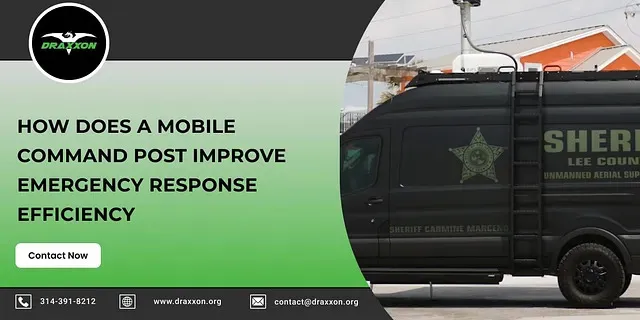
So mobile coordination streamlines communication in dynamic circumstances . Here is a military mobile command center. Private organizations, while their goals may vary, tend to use similar approaches in the effort to improve field operations and incident management.
Improved Field Coordination
Mobile command units can help organizations:
- Coordinate multiple response teams
- Maintain communication in remote areas
- Monitor live video and operational data
- Support temporary command operations
- Improve decision-making during active incidents
Such skills allow leadership to remain linked to field troops while responding more effectively to changing conditions.
How Do Command Centers Support Different Industries?
Each organization has different operating risks. A well-designed command center can be customized to the individual needs of an industry, while providing a standardized approach to communication and crisis management.
Public Safety Operations
During emergencies, planned events, or big public gatherings, a public safety command center coordinates information from numerous agencies. Private enterprises may not have the same responsibilities as public institutions, but many employ similar communication and monitoring strategies to better readiness.
Utility and Infrastructure Management
Utilities and critical infrastructure companies tend to operate over huge geographic areas. A utility inspection command vehicle allows supervisors and technical teams to coordinate inspections, monitor field activities and communicate with staff while keeping near to active operations. This can boost efficiency when working on maintenance projects or responding to service interruptions.
Emergency Response Support
The fire mobile command center provides incident leaders with a means to organize resources, communicate and monitor changing conditions from a central point near the response area in large-scale emergencies. Private enterprises can also utilize similar mobile command concepts for extreme weather occurrences, facility emergencies or business continuity operations.
Frequently Asked Questions
1. What is a private security command center?
A private security command center is a central facility used by private enterprises to monitor security systems, coordinate incident response, manage communications, and assist operational decision-making.
2. How is a military mobile command center different from a private command center?
The military constructs mobile command centers for defense and tactical operations, and private firms employ similar mobile concepts for business continuity, emergency response, infrastructure management and field coordination.
3. Which organizations benefit most from command centers?
Organizations such as corporate campuses, healthcare systems, manufacturers, utilities, transportation providers, educational institutions and organizations responsible for vital infrastructure typically benefit from centralized monitoring and coordinated response capabilities.
The Bottom Line
A private security command center gives firms a central place. Especially to monitor activities, coordinate staff and react more effectively to changing conditions. A well-designed command center helps increase communication and operational awareness. Also supports informed decision-making whether supporting regular security actions or managing large scale emergencies. As organizations grow and navigate more complicated settings, centralized command capabilities. Continue to be a key component of a resilient security strategy.




























Sign in to leave a comment.