
Dogs bring companionship, energy, and joy to households, but they can also face challenges from external parasites that affect their comfort and health. Pet owners often encounter concerns about ticks and fleas, especially during warmer seasons when infestations become more common. Choosing the right dog tick flea treatment is essential for maintaining a healthy coat, preventing skin irritation, and reducing the risk of diseases carried by parasites. Understanding available treatment options and preventive strategies can help ensure long term protection while supporting a dog's overall wellbeing throughout every stage of life.
Understanding the Importance of Tick and Flea Control
Ticks and fleas are among the most common parasites that affect dogs. These pests survive by feeding on blood and can multiply rapidly if left untreated. While a few parasites may seem harmless at first, infestations can quickly become severe and lead to discomfort, health complications, and environmental contamination within the home.
Health Risks Associated with Fleas
Fleas are tiny insects that can cause significant irritation through repeated bites. Dogs often scratch, chew, and lick affected areas, resulting in skin damage and hair loss. In severe cases, flea infestations may contribute to allergic reactions and secondary skin infections. Young puppies and small dogs can even experience anemia due to excessive blood loss caused by large flea populations.
Dangers Presented by Ticks
Ticks pose a different type of threat because they can carry harmful pathogens. Once attached to a dog, a tick may remain in place for several days while feeding. During this time, certain diseases may be transmitted. Early detection and prompt removal are important, but prevention remains the most effective approach for minimizing exposure and protecting canine health.
Signs That a Dog Needs Treatment
Recognizing the early signs of parasite activity helps owners take action before infestations become serious. Regular observation of a dog's skin and coat can reveal potential problems that require attention.
Excessive Scratching and Biting
One of the most noticeable indicators of flea activity is persistent scratching. Dogs may focus on specific areas such as the tail base, neck, or belly. Frequent biting or chewing at the skin often suggests irritation caused by flea bites.
Visible Parasites or Flea Dirt
Tiny dark specks on the skin or bedding may indicate flea dirt, which consists of digested blood left behind by fleas. Owners may also notice live fleas moving through the coat, especially when parting the fur during grooming sessions.
Skin Redness and Hair Loss
Inflamed skin, scabs, and patchy hair loss can develop when dogs react to repeated bites. These symptoms may worsen if parasites remain untreated for an extended period. Prompt intervention helps prevent further discomfort and complications.
Common Dog Tick Flea Treatment Options
A variety of treatment methods are available to address flea and tick infestations. Selecting the most suitable option often depends on a dog's age, lifestyle, health condition, and exposure risk.
Topical Applications
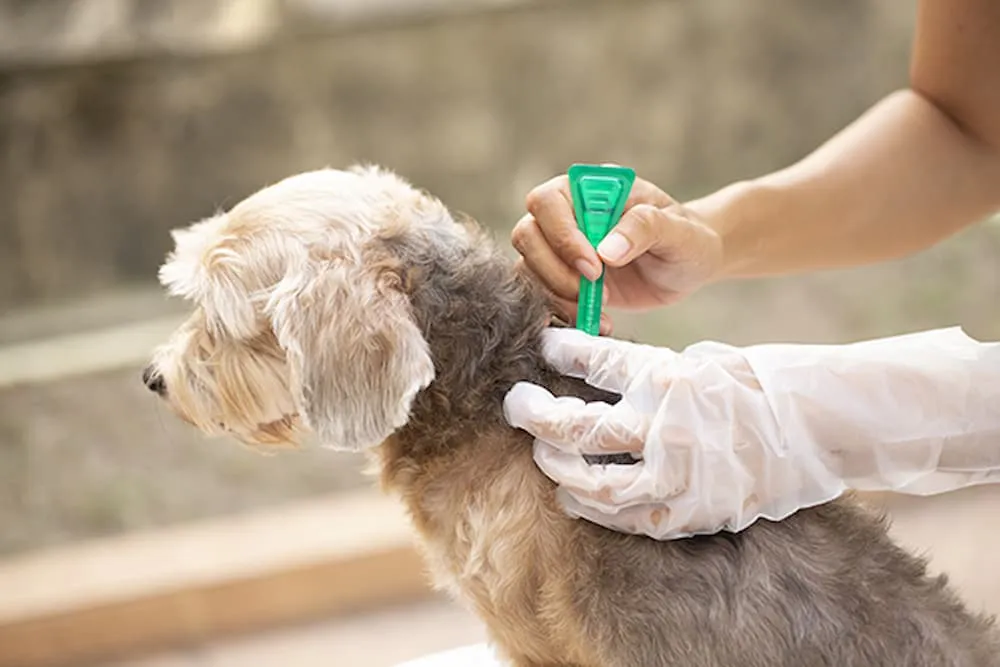
Topical treatments are applied directly to the skin, usually between the shoulder blades. These products spread through natural skin oils and provide ongoing protection against parasites. Many pet owners appreciate their convenience and long lasting effectiveness when used according to instructions.
Oral Medications
Oral treatments work internally and are often administered as chewable tablets. These solutions may provide rapid action against fleas and can offer protection for extended periods. Veterinarians frequently recommend oral options for dogs that swim regularly or require consistent coverage.
Flea and Tick Shampoos
Medicated shampoos help remove existing parasites while cleansing the coat. Although shampoos can provide immediate relief, they are generally most effective when combined with broader preventive measures. Routine bathing also supports healthy skin and coat maintenance.
Flea Collars
Specialized collars release active ingredients that help repel or eliminate parasites. Many collars offer several months of protection and can be a practical addition to a comprehensive prevention program. Proper fit and regular inspection help ensure effectiveness.
Long Term Prevention Strategies
Treating active infestations is only part of the solution. Long term success requires consistent preventive practices that reduce the likelihood of future outbreaks.
Maintaining a Regular Treatment Schedule
Consistency plays a major role in effective parasite control. Skipping treatments may create opportunities for fleas and ticks to return. Following a recommended schedule helps maintain continuous protection and reduces the risk of recurring infestations.
Regular Grooming and Inspection
Frequent grooming allows owners to monitor a dog's coat and skin for signs of parasites. Brushing helps remove debris while providing an opportunity to identify ticks before they become firmly attached. Routine inspections are especially important after outdoor activities.
Keeping Outdoor Areas Clean
Yards and outdoor spaces can serve as breeding grounds for fleas and hiding places for ticks. Regular lawn maintenance, removal of leaf litter, and proper waste disposal help create a less favorable environment for parasites. These efforts support overall prevention strategies.
The Role of Home Environment Management
Effective parasite control extends beyond the dog itself. Fleas can lay eggs throughout the home, making environmental management a critical component of long term protection.
Cleaning Bedding and Fabrics
Washing pet bedding, blankets, and frequently used fabrics helps eliminate flea eggs and larvae. Consistent cleaning reduces the chances of reinfestation and contributes to a healthier living environment for both pets and family members.
Vacuuming Frequently
Regular vacuuming helps remove fleas and eggs from carpets, furniture, and floor surfaces. Areas where dogs spend significant time should receive special attention. Proper disposal of vacuum contents helps prevent surviving parasites from returning.
Monitoring Multi Pet Households
Homes with multiple pets may experience faster parasite spread if one animal becomes infested. Routine inspections and preventive care for all pets help maintain a consistent level of protection and reduce overall risk.
Seasonal Considerations for Tick and Flea Prevention
Parasite activity often fluctuates throughout the year. Understanding seasonal patterns helps owners adjust preventive efforts accordingly.
Increased Activity During Warm Months
Warmer temperatures generally create favorable conditions for flea and tick populations. Dogs that spend time outdoors may face greater exposure during spring and summer. Enhanced vigilance during these periods supports more effective prevention.
Year Round Protection Benefits
Although parasite activity may decline during cooler months, complete elimination is uncommon in many regions. Indoor heating and sheltered outdoor environments can allow fleas and ticks to survive throughout the year. Continuous protection remains the safest approach.
Choosing the Right Treatment Plan
Every dog has unique needs that influence treatment decisions. Factors such as age, size, activity level, and health status should be considered when selecting preventive products.
Considering Lifestyle Factors
Dogs that frequently visit parks, hiking trails, or wooded areas may require stronger preventive measures. Increased outdoor exposure raises the likelihood of encountering parasites and highlights the importance of consistent protection.
Evaluating Individual Needs
Some dogs may have sensitivities or specific health considerations that affect treatment choices. Consulting a qualified veterinary professional helps identify the most appropriate solutions while ensuring safety and effectiveness.
Conclusion
Long term parasite control requires a combination of preventive care, regular grooming, environmental management, and consistent monitoring. By understanding the risks associated with fleas and ticks and implementing effective treatment strategies, dog owners can help protect their pets from discomfort and potential health complications. Reliable prevention contributes to a happier, healthier life for dogs while creating a cleaner living environment for the entire household. For professional pet care support and grooming assistance, pet owners can rely on Mobile Dog Grooming, LLC to help maintain their dog's comfort, cleanliness, and overall wellbeing.





























Sign in to leave a comment.