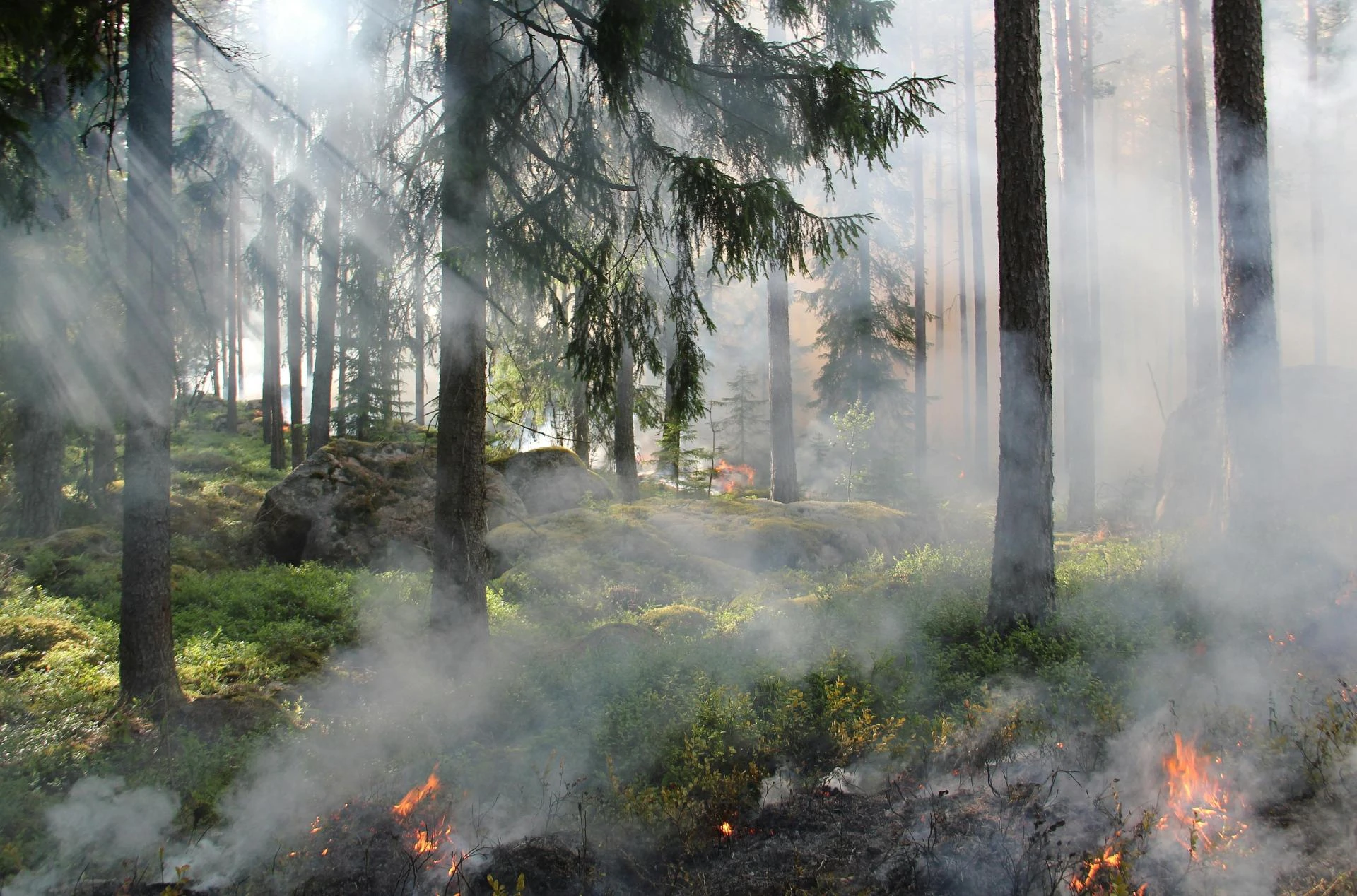

Living in wildfire-prone areas can be stressful. One minute you’re sipping iced tea in your backyard, the next minute you’re staring at smoke on the horizon and panicking about what you can actually do to protect your property. The good news? With some planning, elbow grease, and the right gear, you don’t have to freak out when dry season hits.
Wildfire prevention isn’t just about putting out flames after the fact—it’s about making your property as safe as possible before anything starts. And if you’re like most people, buying all the fancy tools outright isn’t exactly in the budget. That’s where rental options come in, letting you tackle big jobs without breaking the bank.
Why Wildfire Prevention Actually Matters
Sure, everyone knows wildfires are dangerous, but why go through all the effort to prepare? Here’s the reality:
- Property protection – clearing brush, maintaining defensible space, and having fire-prep equipment ready can save thousands in potential damage.
- Family safety – having the right tools means you can act fast to create safe zones or slow a fire until emergency services arrive.
- Peace of mind – knowing you’ve got equipment and a plan reduces panic and gives you control over a chaotic situation.
Basically, prevention isn’t optional if you live somewhere hot, dry, and surrounded by vegetation. And no, leaving it all to luck isn’t a strategy.
Common Mistakes People Make
Let’s be honest—most of us wait until the last minute and then panic-buy random stuff. Some rookie mistakes include:
- Buying cheap equipment that breaks – you know, that “deal” chainsaw that dies halfway through clearing a brush pile.
- Ignoring safety gear – gloves, boots, helmets, and eye protection are not optional. You WILL regret it otherwise.
- Not knowing how to use what you own – having a pump or leaf blower is useless if you’ve never figured out how to operate it.
Avoid these mistakes and you’re already ahead of 90% of people scrambling when smoke rolls in.
Enter the Hero: Wildfire Prevention Equipment Rental
Alright, here’s the magic moment. If you’ve ever thought, “Man, I don’t want to spend $2,000 on a chainsaw I’ll use once a year,” this is your solution. Wildfire prevention equipment rental gives you access to pro-level gear for a fraction of the cost.
Some of the most popular rental options include:
- Brush-cutting tools and chainsaws – perfect for clearing small trees, overgrown shrubs, and dry brush.
- Leaf blowers and debris blowers – for removing leaves, pine needles, and loose flammable material.
- Water tanks and portable pumps – handy for keeping dry vegetation damp or creating temporary fire breaks.
- Fire rakes and hoes – old-school tools for creating defensible lines or digging fire breaks.
- Protective clothing – helmets, gloves, goggles, and flame-resistant suits for your safety.
Renting allows you to pick exactly what you need for your property size, terrain, and vegetation type. Plus, you get properly maintained, commercial-grade gear instead of risking a cheap DIY version that could leave you stranded.
How to Choose the Right Gear
Not all properties are created equal, so your rental choices need to reflect your terrain. Here’s a breakdown:
- Small yards or urban properties – a strong leaf blower, some hand tools, and a small chainsaw is usually enough.
- Medium-sized yards with mixed terrain – portable water pumps, a mid-sized chainsaw, and fire rakes will get the job done.
- Large or rural lots – heavy-duty chainsaws, debris blowers, large water tanks, and protective gear are essential.
Pro tip: think about accessibility. Some tools are heavy or awkward on steep slopes, so you might want smaller, lighter options for certain areas. Renting gives you flexibility—you can experiment without committing.
Prep Like a Pro: Step-by-Step Guide
Here’s a general game plan for tackling wildfire prevention with rental gear:
Step 1: Clear the Danger Zone
Start by removing dead leaves, branches, and any flammable debris from around structures. Use a combination of rakes, leaf blowers, and small chainsaws.
Step 2: Trim Trees and Shrubs
Prune back low-hanging branches and thin dense shrubs. A rototiller isn’t just for soil; you can also use it creatively for clearing underbrush. Just kidding—don’t actually rototill your yard for this—but seriously, proper cutting makes a huge difference.
Step 3: Create Fire Breaks
Use fire rakes or hoes to dig narrow dirt trenches around critical areas. These prevent a fire from spreading quickly across your property.
Step 4: Water Strategically
Portable water tanks and pumps can dampen the soil or vegetation near your home. Think of it as “preemptive fireproofing.” It’s not a guarantee, but it helps.
Step 5: Gear Maintenance and Storage
After your wildfire prep session, clean and store your rental equipment properly. Most rental services will inspect gear, but it’s courteous and safe to return it clean. Plus, you’ll avoid extra fees.
Rookie Tips That Actually Work
Here’s some wisdom you usually pick up the hard way:
- Work early in the morning or late in the evening when it’s cooler. You’ll avoid heat exhaustion and keep the soil from getting dusty.
- Don’t tackle everything at once—split your property into zones. One afternoon per zone is better than a chaotic all-day grind.
- Keep communication handy—have a phone or walkie-talkie in case you discover a fire while prepping.
Final Thoughts
Wildfires are unpredictable, but you don’t have to be. Taking proactive steps, knowing your gear, and leveraging rentals makes a huge difference. You don’t need to own every tool under the sun—just have access to the right ones at the right time.
With planning, proper tools, and a little elbow grease, you can reduce risk, protect your property, and actually enjoy the satisfaction of turning chaos into order. Your future self (and your neighbors) will thank you.


















Sign in to leave a comment.