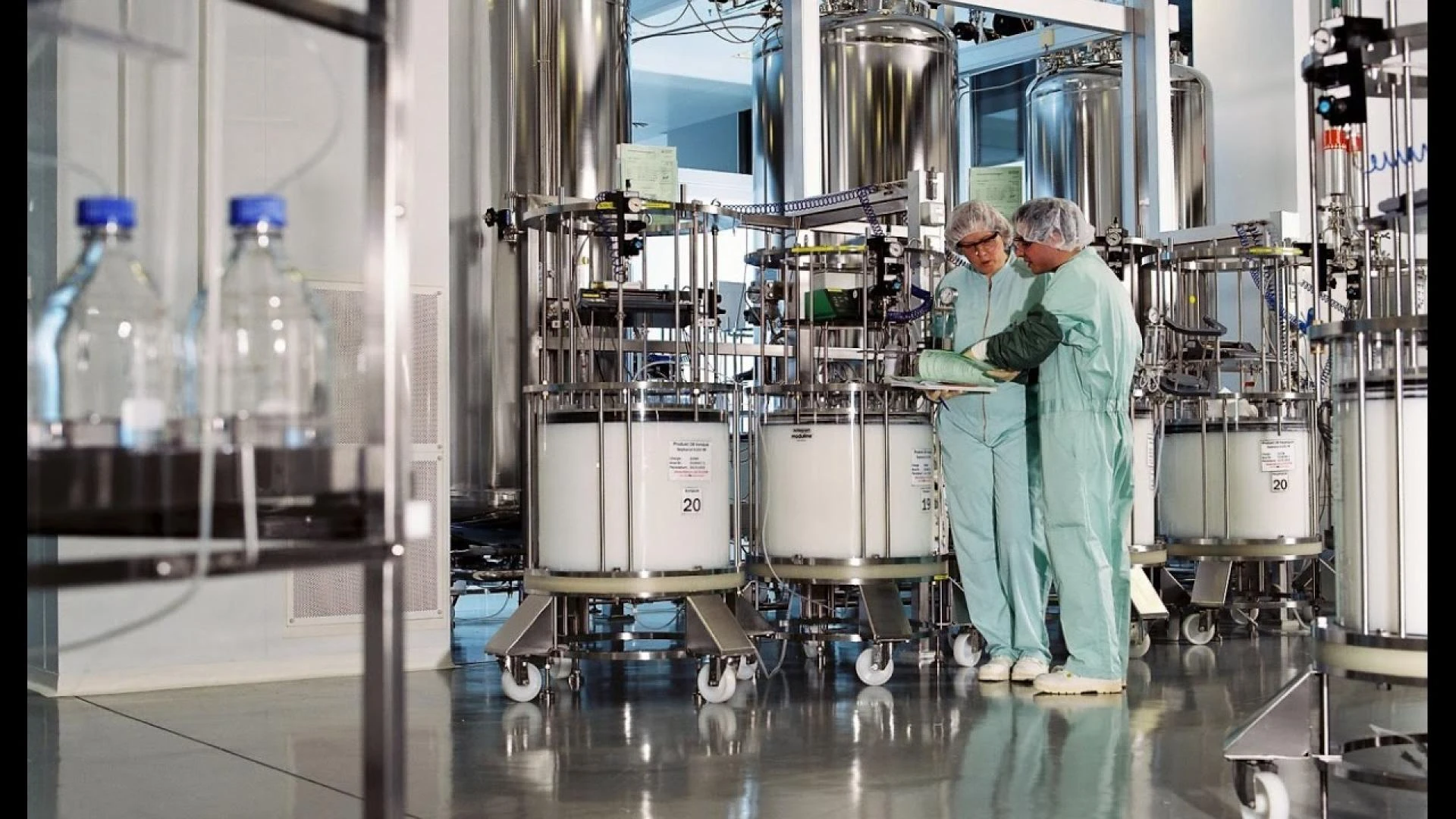
Downstream processing is vital in the biopharmaceutical and biotechnology sectors, ensuring recovery and purification of biomolecules like proteins, antibodies, and vaccines. Downstream processing is a critical step in transforming raw biological materials into end products of high purity and safety for therapeutic and industrial uses. As technologies in bioprocessing continue to improve and as demand for biologics increases, the market for downstream processing is rapidly developing. This blog discusses major trends, challenges, and future outlook in the downstream processing industry.
Market Drivers
The growth in demand for biopharmaceuticals is among the main drivers of the downstream processing industry. The growth in monoclonal antibodies, gene therapies, vaccines, and recombinant proteins has driven demand for effective purification and separation processes. Organizations are making investments in new technologies in order to boost productivity and lower processing time.
Yet another major driver of market growth is the move toward continuous processing of biomanufacturing. The conventional batch-based processing is giving way to continuous bioprocessing, which improves scalability, brings down costs, and increases efficiency. This change is helping producers to address growing demand for biologics with consistent product quality.
The increasing use of single-use technologies (SUTs) in downstream processing is also impacting market trends. Disposable filtration systems, chromatography resins, and membrane-based separation methods are gaining popularity because they can reduce the risk of contamination, lower cleaning validation requirements, and enhance operational flexibility.
Challenges in the Market
Though growing, the downstream processing industry has a number of challenges. The main challenge is the high cost of purification technology. The use of sophisticated chromatography systems, filtration units, and specialized reagents contributes to the overall production costs, and it becomes difficult for small and medium-sized businesses to compete with big players.
The second major challenge is the complexity of biomolecule purification. Biopharmaceuticals are highly structured and need precise separation methods to maintain purity, stability, and potency. Finding effective purification methods without affecting product yield is still a significant concern in the industry.
Regulatory compliance is also a primary challenge in downstream processing. Biopharmaceutical products are required to comply with strict regulatory standards laid down by bodies like the FDA and EMA. Compliance with regulatory requirements while maintaining product safety and efficacy can be time-consuming and costly for manufacturers.
Market Segmentation
By Product
· Chromatography Columns and Resins
· Filters
· Membrane Adsorbers
· Single-Use Products
· Others ;
By Technique
· Purification Techniques
· Solid-Liquid Separation
· Clarification and Concentration
By Application
· Monoclonal Antibody Production
· Vaccines Production
· Insulin Production
· Immunoglobulin Production
· Erythropoietin Production
· Others ;
By End User
· Biopharmaceutical Manufacturers
· Contract Manufacturing Organizations
Key Players
· Thermo Fisher Scientific Inc.
· GENERAL ELECTRIC COMPANY
· Merck KGaA
· Danaher
· 3M
· Repligen Corporation.
· Lonza
· Eppendorf AG
· Corning Incorporated
Geography
· North America
· Europe
· Asia-Pacific
· South and Central America
· Middle East and Africa
Emerging Trends
Several emerging trends are shaping the downstream processing market. One of the most notable trends is the integration of automation and digitalization in bioprocessing. Advanced data analytics, machine learning, and artificial intelligence (AI) are being utilized to optimize purification steps, monitor process parameters, and improve overall efficiency.
Yet another important trend is the progress made in chromatography methods. HPLC, affinity chromatography, and ion-exchange chromatography continue to improve separation efficiency and scale. Advances in the development of resins and membrane-based systems are also stimulating better downstream processing.
The growth of biosimilar and cell therapy manufacturing is also impacting market trends. With more firms investing in biosimilars and personalized medicine, the need for cost-efficient and scalable purification solutions is on the rise. This trend is prompting manufacturers to seek new purification methods specific to new biologic therapies.
Future Outlook
The prospects of the downstream processing industry appear bright with consistent research, emerging technologies, and collaboration among industries. Process intensification techniques to maximize yield, minimize waste, and optimize the sustainability of the operations are now gaining attention at companies.
The combination of modular and flexible manufacturing solutions will be key to the future of downstream processing. Modular bioprocessing plants and flexible purification platforms will enable manufacturers to react rapidly to shifting market needs and regulatory pressures.
In addition, strategic alliances among biopharmaceutical companies, contract manufacturing organizations (CMOs), and technology companies will propel innovation in downstream processing. Joint efforts will enable the creation of more efficient and economical purification methods, allowing wider access to biologic therapies.
Conclusion
The market for downstream processing is changing fast, fueled by the growing need for biopharmaceuticals, advances in technology, and the move toward continuous and automated processing. As difficulties like excessive expenditure, purification complexity, and regulatory adherence continue to exist, innovations and trends are making way for the development of a more scalable and efficient downstream processing environment. As research progresses unceasingly, strategic partnerships, and process refinement continue, downstream processing's future is filled with great promise to upgrade biopharmaceutical production and worldwide healthcare results.
About Us:
The Insight Partners is a one-stop industry research provider of actionable intelligence. We help our clients in getting solutions to their research requirements through our syndicated and consulting research services. We specialize in industries such as Semiconductor and Electronics, Aerospace and Defense, Automotive and Transportation, Biotechnology, Healthcare IT, Manufacturing and Construction, Medical Devices, Technology, Media and Telecommunications, Chemicals and Materials.





















Sign in to leave a comment.