Intoduction:
In a world where water is a precious resource, ensuring that industries have access to clean, high-quality water is more critical than ever. Whether it’s powering a factory, purifying pharmaceuticals, or even desalinating seawater, Industrial Reverse Osmosis (RO) systems are the backbone of water treatment solutions across industries. These systems offer a sustainable way to produce pure water—effectively and cost-efficiently.
What Is an Industrial RO Plant?
At its core, an industrial RO plant uses a simple yet powerful technology to turn raw water into clean, usable water. By applying pressure to water and forcing it through a semipermeable membrane, reverse osmosis removes impurities like salts, minerals, and even harmful bacteria. The result? Pure, treated water ready for use in a variety of industrial applications, including food production, power generation, and even wastewater reuse.
But how does this all work? Let's break it down!
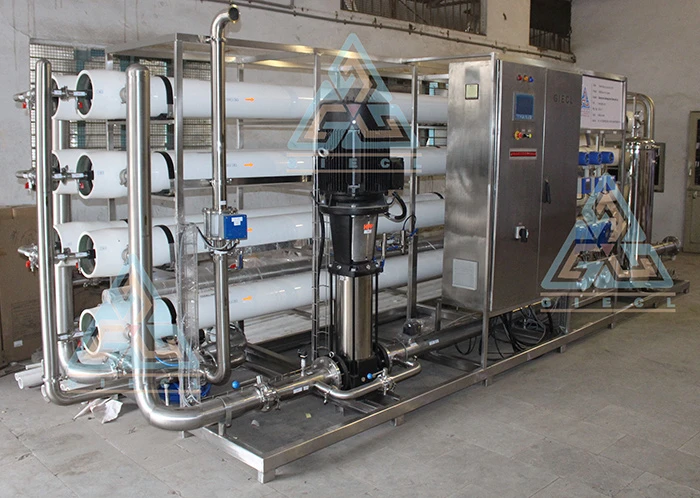
The Key Components: How an Industrial RO System Works
- Pre-Filtration:This is the first line of defense. Sediment filters and activated carbon remove larger particles, chlorine, and organic matter that could damage the delicate RO membrane. The water is prepared for the main filtration process.
- High-Pressure Pump: This is the heart of the system. It pushes the water through the RO membrane at high pressure, helping to separate clean water from the contaminants.
- RO Membranes: The core of the reverse osmosis process, these special semipermeable membranes allow only water molecules to pass through, leaving contaminants like salts, bacteria, and other impurities behind. It's like a super-fine sieve for water!
- Post-Filtration: After the water has passed through the RO membrane, it may go through additional filters, like UV sterilization or activated carbon, to polish the water even further, ensuring it's top-quality.
- Recovery and Reject Systems: Not all the water goes through the membrane. The reject water is typically sent to waste, while the purified water, known as permeate, is collected and used in your industrial processes.
Why Industries Love RO Systems
So, why should your business care about Reverse Osmosis? Here are just a few reasons:
- Efficiency: RO systems provide ultra-pure water with minimal effort. They’re ideal for industries requiring very specific water standards.
- Cost-Effectiveness: With low operational and maintenance costs, reverse osmosis is one of the most efficient water treatment technologies available.
- Scalability: Need to treat more water as your business grows? Industrial RO systems can be scaled to suit small, medium, or large industrial applications.
- Environmental Benefits: By recycling and reusing water, RO systems promote sustainability, helping industries reduce their water footprint.
Types of Industrial RO Systems: Tailored to Your Needs
- Packaged Systems: These are off-the-shelf, pre-engineered systems that are easy to install and ideal for medium-sized industries. They’re compact, cost-effective, and ready to go.
- Custom-Built Systems: Every industry has different needs, and custom systems allow for the flexibility to tailor a solution for high-demand or unique water requirements. From high-capacity plants to specialized designs, custom solutions provide exactly what you need.
- Seawater RO Systems: When fresh water isn’t available, seawater desalination becomes the solution. Seawater RO plants remove salt and impurities from seawater to provide fresh, drinkable water for industries, municipalities, or agriculture.
- Brackish Water RO Systems: Perfect for treating water that is saltier than fresh water but less salty than seawater (think rivers or underground wells), brackish water RO systems are an affordable and efficient solution.
- Wastewater RO Systems: Don’t let wastewater go to waste! Industrial RO systems can treat and purify wastewater for reuse in processes like cooling, irrigation, or cleaning—helping companies save water and reduce environmental impact.
Who Makes These Systems?
Top-tier manufacturers of industrial RO systems are experts in water treatment, providing robust and reliable solutions for industries around the world. Some leading names include:
- Veolia Water Technologies: A global leader in water treatment, Veolia offers integrated solutions for a range of industries, from pharmaceuticals to power generation.
- Dow Water & Process Solutions: Known for cutting-edge RO membranes and advanced water purification technologies.
- Hydranautics (A Nitto Group Company): A giant in membrane technology, Hydranautics produces some of the highest-performing reverse osmosis membranes for industrial applications.
- Pure Aqua, Inc.: Specializing in customizable RO systems, Pure Aqua delivers high-quality water treatment solutions for a variety of industries, from food & beverage to pharmaceuticals.
- LG Chem: A world-renowned supplier of reverse osmosis membranes, offering solutions for large-scale industrial applications.
Real-World Applications of Industrial RO Plants
- Power Generation: Power plants rely on RO systems to purify water for boilers, cooling towers, and other critical processes.
- Food & Beverage: Whether it’s brewing beer, bottling water, or producing soft drinks, the food industry uses RO plants to ensure clean, safe water for production.
- Pharmaceuticals: Pure water is critical in drug manufacturing, where strict quality standards must be met. RO systems help produce the high-purity water required for pharmaceutical production.
- Mining & Minerals: Mining operations use RO systems to treat water for processes like ore extraction and mineral processing.
- Textiles: In textile manufacturing, RO plants are used to ensure consistent water quality for dyeing, washing, and rinsing fabrics.
- Wastewater Treatment: Many industries use RO plants to treat and recycle wastewater, making it reusable for non-potable applications like cooling or cleaning, reducing their environmental footprint.
The Bottom Line: Why Your Business Needs an RO System
In an era of rising water costs and increasing environmental regulations, having a reliable, efficient, and sustainable water treatment solution is essential. Whether you’re looking to desalinate seawater, treat brackish water, or even recycle wastewater, an industrial RO system can help you achieve all of this—and more.
With countless industries already relying on RO technology to stay competitive and sustainable, it’s clear that reverse osmosis is more than just a water treatment method—it’s a game-changer for industrial operations.
Ready to discover how reverse osmosis can help your business? Get in touch with our trusted RO system provider Gujarat Ion Exchange and Chemical limited today, and start making cleaner, greener water a part of your industrial future!










Sign in to leave a comment.