
In today’s digital-first world, email remains one of the most widely used communication channels for individuals and organizations alike. From personal conversations to confidential business transactions, email carries a vast amount of sensitive information every day. However, this convenience also makes email a prime target for cybercriminals. To counter growing threats such as data breaches, phishing, and unauthorized access, email encryption protocols have become the primary foundation of secure email communication. By combining robust data encryption techniques with modern email security practices, organizations can protect information, maintain trust, and comply with regulatory requirements.
Understanding Email Encryption Protocols
An email encryption protocol is a set of rules and technologies designed to protect email content from unauthorized access. These protocols ensure that only the intended recipient can read the message, even if it is intercepted during transmission. At its core, email encryption transforms readable data (plaintext) into an unreadable format (ciphertext) using cryptographic algorithms. The encrypted message can only be decrypted with the correct key.
Email encryption protocols operate at different levels. Some focus on encrypting the message body and attachments, while others secure the communication channel between mail servers. Together, they form a layered defense strategy that significantly enhances overall email security.
The Role of Data Encryption in Email Security
Data encryption is the backbone of secure email communication. Without encryption, emails travel across the internet in plain text, making them vulnerable to interception by hackers, malicious insiders, or compromised networks. Encryption ensures confidentiality by scrambling data in such a way that unauthorized parties cannot interpret it.
There are two main types of data encryption used in email systems:
- Symmetric Encryption
- This method uses a single shared key for both encryption and decryption. While it is fast and efficient, the main challenge lies in securely sharing the key between sender and receiver.
- Asymmetric Encryption
- Also known as public-key encryption, this method uses a pair of keys: a public key for encryption and a private key for decryption. Asymmetric encryption is widely used in email encryption protocols because it eliminates the need to share secret keys directly.
By integrating these encryption methods, email systems can protect sensitive data such as financial records, login credentials, personal details, and intellectual property.
Common Email Encryption Protocols
Several widely adopted protocols form the foundation of modern email encryption and email security:
1. Transport Layer Security (TLS)
TLS encrypts the communication channel between email servers. When an email is sent, TLS ensures that data is protected while in transit, preventing eavesdropping and tampering. Although TLS does not encrypt the email content end-to-end, it plays a critical role in securing server-to-server communication.
2. Secure/Multipurpose Internet Mail Extensions (S/MIME)
S/MIME provides end-to-end email encryption and digital signatures. It uses public key infrastructure (PKI) to encrypt email content and verify the sender’s identity. This protocol is commonly used in enterprise environments due to its strong authentication and integration with corporate email systems.
3. Pretty Good Privacy (PGP)
PGP is another popular end-to-end email encryption method. It allows users to encrypt emails using public keys and decrypt them with private keys. PGP is widely appreciated for its flexibility and strong cryptographic foundations, making it a trusted option for individuals and organizations focused on privacy.
Each of these protocols contributes uniquely to email security, and many organizations use them together for comprehensive protection.
Why Email Encryption Is Essential Today
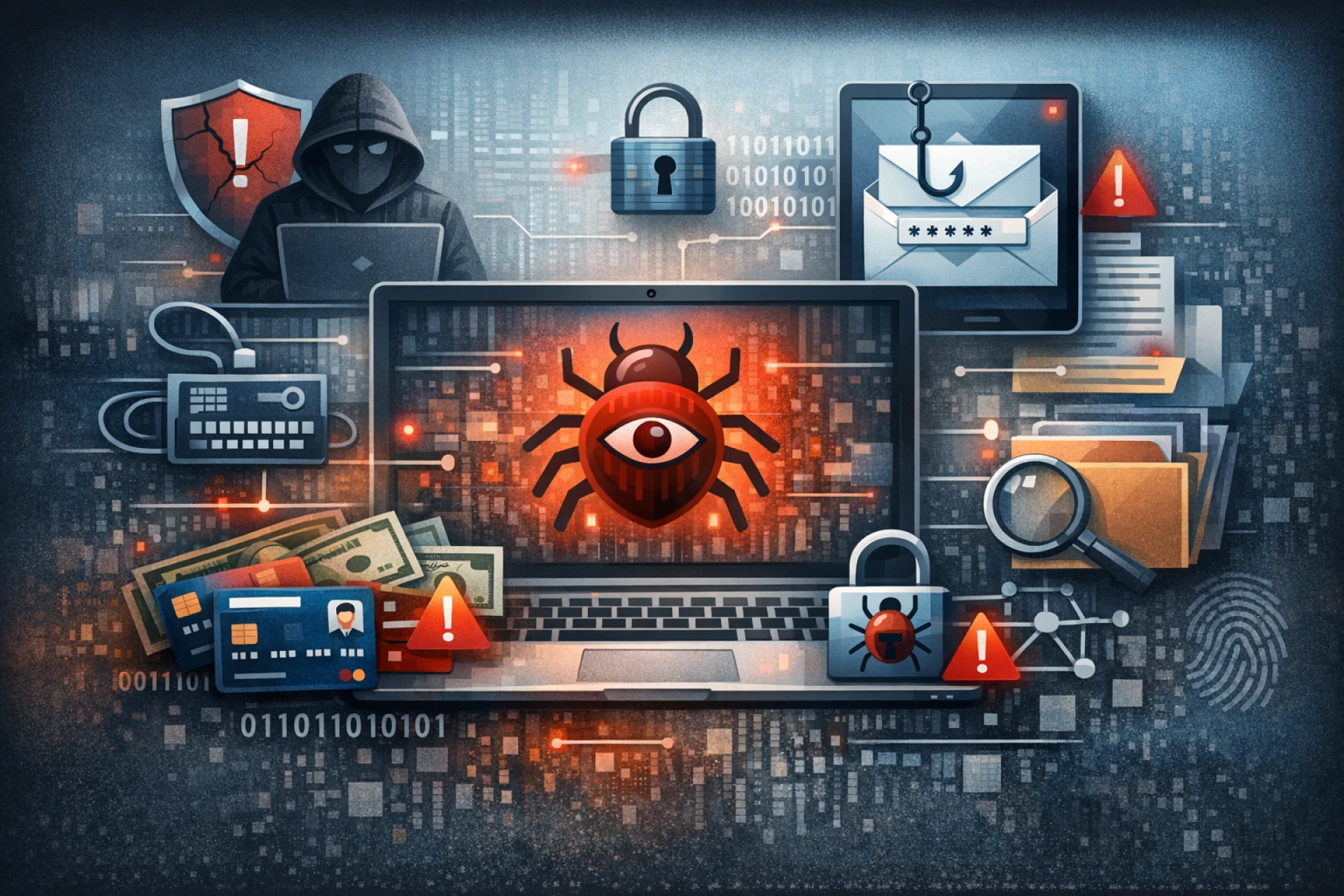
The rise of cyber threats has made email encryption a necessity rather than a luxury. Cybercriminals frequently exploit unencrypted emails to steal data, spread malware, or impersonate trusted contacts. Data breaches caused by insecure email communication can lead to financial losses, reputational damage, and legal consequences.
Email encryption helps address these challenges by:
- Protecting Confidential Information: Encrypted emails ensure that sensitive data remains private, even if intercepted.
- Preventing Data Tampering: Encryption and digital signatures help verify message integrity.
- Building Trust: Secure communication fosters confidence among customers, partners, and employees.
- Ensuring Compliance: Many regulations require strong data encryption and email security measures.
Email Security Beyond Encryption
While email encryption is a critical component, it works best as part of a broader email security strategy. Modern email security solutions combine encryption with additional protective measures, such as:
- Spam and Phishing Filters: These systems detect and block malicious emails before they reach inboxes.
- Authentication Protocols: Technologies like SPF, DKIM, and DMARC help verify sender authenticity and prevent spoofing.
- Access Controls: Strong passwords, multi-factor authentication, and role-based access reduce the risk of unauthorized access.
- Monitoring and Auditing: Continuous monitoring helps detect suspicious activity and respond quickly to potential threats.
By integrating these measures with email encryption protocols, organizations can create a resilient defense against evolving cyber threats.
Challenges in Implementing Email Encryption
Despite its benefits, implementing email encryption can present challenges. One common issue is usability. If encryption tools are too complex, users may avoid using them correctly, weakening overall email security. Key management, especially in asymmetric encryption systems, can also be difficult to maintain at scale.
Another challenge is compatibility. Not all email clients and systems support the same encryption standards, which can lead to communication barriers. Organizations must carefully select protocols and tools that align with their technical environment and user needs.
To overcome these challenges, many organizations adopt automated encryption solutions that seamlessly integrate with existing email platforms. User training and clear security policies also play a crucial role in ensuring successful adoption.
The Business Impact of Secure Email Communication
For businesses, email encryption is not just a technical safeguard—it is a strategic investment. Secure email communication protects intellectual property, customer data, and internal operations. It also reduces the risk of costly incidents such as data breaches and regulatory penalties.
In industries like finance, healthcare, and legal services, strong email security is essential for maintaining compliance and protecting sensitive information. Even small and medium-sized businesses benefit from email encryption, as they are increasingly targeted by cybercriminals due to weaker defenses.
By prioritizing data encryption and email security, organizations demonstrate their commitment to protecting stakeholders and maintaining long-term credibility.
Future Trends in Email Encryption and Security
As cyber threats continue to evolve, email encryption protocols are also advancing. Emerging trends include:
- Automated End-to-End Encryption: Simplifying encryption processes for users.
- AI-Driven Threat Detection: Enhancing email security by identifying suspicious patterns in real time.
- Zero-Trust Architectures: Ensuring continuous verification of users and devices.
- Post-Quantum Cryptography: Preparing encryption methods for future quantum computing threats.
These innovations will further strengthen the role of email encryption as the primary foundation of secure email communication.
Conclusion
Email encryption protocols form the cornerstone of modern email security by safeguarding sensitive data and ensuring private communication. Through robust data encryption methods and widely adopted protocols such as TLS, S/MIME, and PGP, organizations can protect emails from interception, tampering, and unauthorized access. While challenges exist in implementation and usability, the benefits of secure email communication far outweigh the difficulties.
In an era where data breaches and cyberattacks are increasingly common, investing in strong email encryption and comprehensive email security practices is essential. By doing so, individuals and organizations can communicate with confidence, protect valuable information, and build a secure digital future.




























Sign in to leave a comment.