

Why Is Milni More Than a Welcome Ceremony in an Indian Wedding?
An Indian wedding brings together not only two individuals but also two families, each carrying its own relationships, memories and customs. The first formal interaction between these families can influence the atmosphere of the complete celebration. Among the different Indian Wedding Welcome Traditions, milni holds a particularly meaningful position because it transforms the groom’s arrival into a respectful meeting between relatives from both sides.
Milni is frequently surrounded by music, flowers, embraces and excitement, but its deeper purpose is introduction, recognition and mutual respect. Understanding this purpose can help families organise the ceremony thoughtfully rather than treating it as a hurried moment between the baraat and varmala.
What Happens During a Milni Ceremony?
Milni generally takes place after the baraat reaches the wedding location. Selected relatives from the bride’s family welcome corresponding relatives from the groom’s family. They may exchange garlands, embrace, offer gifts or greet each other according to the customs followed by both families.
The precise participants and order vary. Fathers may meet first, followed by brothers, uncles or other senior relatives. Some families organise a formal sequence, while others prefer a shorter welcome.
There is no single format that applies to every Indian wedding. Regional customs, community practices and family preferences influence how the ceremony is performed. Couples should discuss the sequence with their parents and elders rather than copying an online list without understanding their own traditions.
Why Does Milni Take Place After the Baraat?
The baraat is energetic and public. Music, dancing and celebration accompany the groom and his relatives as they approach the wedding location. Milni changes the mood from procession to welcome.
This transition has practical and emotional value. The groom’s family is no longer simply a visiting group; they are formally received by the hosts. Senior relatives are acknowledged, and both sides begin interacting before the principal ceremony.
A well-managed transition prevents the arrival from becoming chaotic. Music can be lowered at the appropriate moment, key family members can be guided forward, and other guests can move towards refreshments or the next scheduled function.
What Is the Cultural Meaning of Milni?
The Meaning of Milni Ceremony is connected with equality, welcome and the beginning of a new relationship between families. The word itself is associated with meeting or coming together.
The ceremony gives relatives an opportunity to recognise one another publicly. In large weddings, many family members may be meeting for the first time. A structured introduction reduces unfamiliarity and establishes a respectful tone.
Milni can also remind both sides that marriage creates relationships extending beyond the couple. Parents, siblings, grandparents and extended relatives become part of a larger family network that may continue for generations.
How Should Families Select Participants?
Families should create a list before the wedding and agree on corresponding relatives. Confusion can arise when one side includes more participants or when key relatives are absent at the required moment.
A practical plan should identify:
- Participants from both families
- Correct names and relationships
- Order of introductions
- Garlands or gifts, if used
- Person responsible for announcements
- Waiting location
- Photography arrangement
- Assistance for elderly relatives
- Backup if someone arrives late
The ceremony should remain inclusive and respectful. Families should avoid turning the order or value of gifts into a comparison between relatives.
How Can Milni Be Managed for a Large Wedding?
A large guest list can make the arrival area crowded. The hosts should create separate paths for the procession, participating relatives, other guests and service teams.
A dedicated coordinator can help gather the right family members before the baraat arrives. Name cards or a printed sequence may also help when the families are large.
The ceremony should not block the entrance for an excessive period. Welcome drinks and seating should be available for guests who are not directly participating. Senior relatives should not be expected to stand for long periods in heat or cold.
What Role Does Music Play?
Music creates energy during the baraat, but its volume should be controlled during formal greetings. Relatives need to hear announcements and communicate with one another.
Traditional instruments or regional welcome music may add cultural depth. If local artists are involved, the performance should be planned respectfully, with clear timing and suitable space.
Music should support the ceremony rather than overpower it. A gradual change from energetic procession music to a more welcoming composition can signal the emotional transition naturally.
How Can Photography Remain Respectful?
Milni produces genuine expressions, making it valuable for wedding photography. However, photographers should not repeatedly interrupt embraces or ask relatives to recreate greetings.
The photography team should know:
- Where participants will stand
- The expected order
- Important family members
- Lighting conditions
- Areas that must remain clear
- Whether video interviews are planned
One lead photographer can cover the central introductions while another records the wider family response. This reduces crowding and allows the moment to occur naturally.
How Can International Guests Understand Milni?
Guests unfamiliar with Indian weddings may not understand why relatives are being called forward in pairs. A short explanation in the itinerary or by an event host can make the ceremony more engaging.
The explanation can mention that milni represents the formal meeting and welcome of corresponding family members. It should remain concise so the ceremony does not become a lecture.
International guests should be guided about where to stand and when general greetings begin. This allows them to observe respectfully without accidentally interrupting the formal sequence.
What Common Mistakes Should Families Avoid?
Common difficulties include:
- Not preparing the participant list
- Failing to inform relatives in advance
- Allowing photographers to block movement
- Keeping senior guests standing too long
- Continuing loud music during introductions
- Creating competition through gifts
- Scheduling the ceremony too close to another ritual
- Ignoring weather conditions
- Leaving no space for refreshments
- Treating milni as a photo opportunity only
A simple rehearsal or family briefing can prevent most of these problems.
How Does Milni Connect With the Wider Wedding Journey?
Milni is not isolated from the ceremonies that follow. It creates the emotional bridge between arrival and acceptance.
After the groom’s family is received, varmala publicly brings the couple together. The atmosphere then moves towards the sacred marriage rituals and pheras. This progression helps the celebration change naturally from public excitement to commitment.
Understanding these connections allows families to create a schedule with emotional continuity rather than arranging functions only according to décor availability.
Planning a Meaningful Welcome at Lohagarh Fort Resort
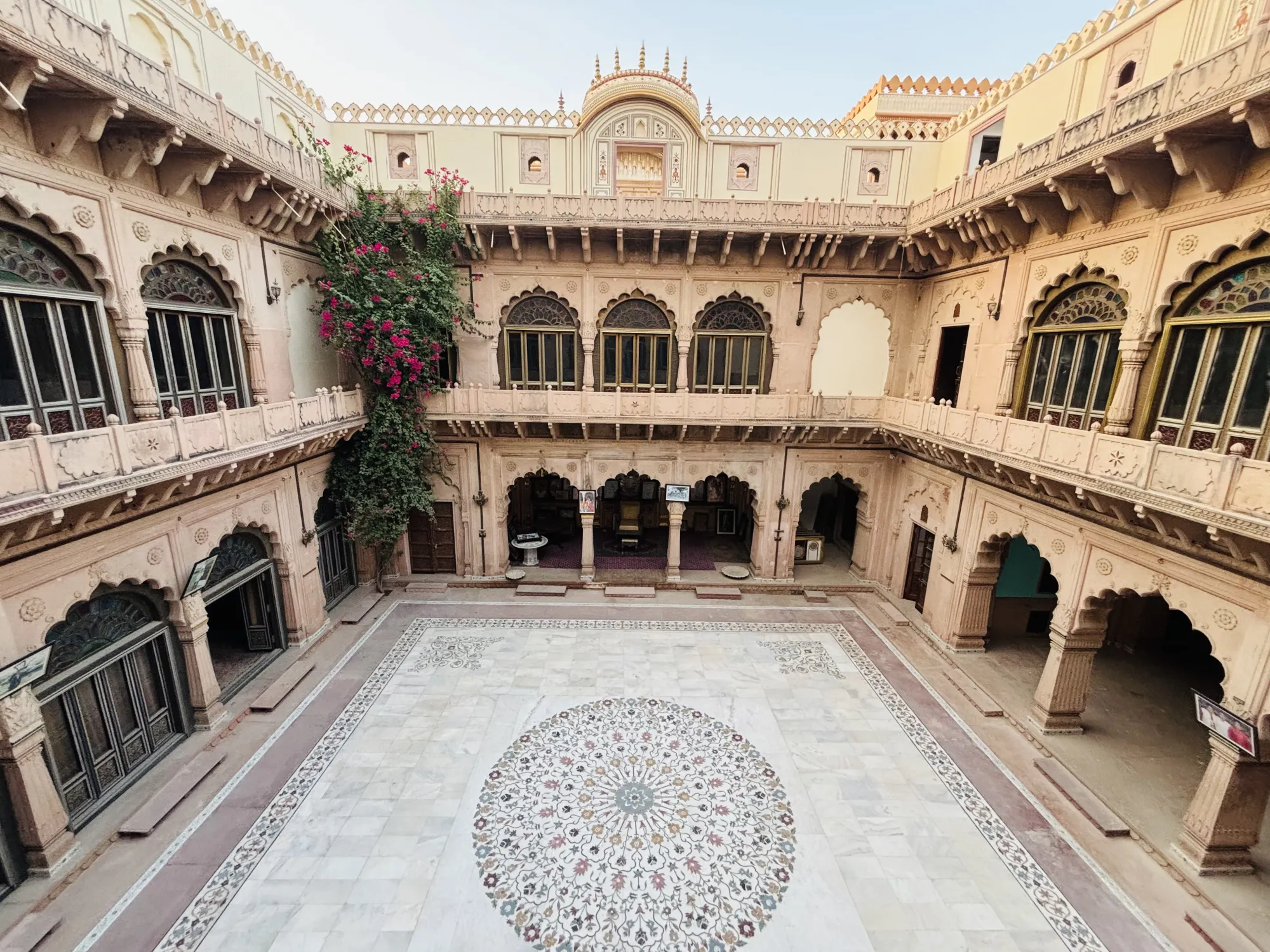
Families exploring wedding ceremonies at Lohagarh Fort Resort can discuss how guest arrival, milni, accommodation assistance and the following functions will connect within the resort campus.
A wedding welcome should account for more than the baraat. Outstation guests may be checking in, elderly relatives may require seating and both families may need a clearly identified gathering point.
Planning the complete arrival journey can include:
- Directional signs
- Welcome refreshments
- Guest-room assistance
- A printed function schedule
- Luggage coordination
- Designated family representatives
- Seating for senior guests
- Movement towards the next venue
Wrap-Up
Milni may last only a short time, but it represents an important change in the wedding. A travelling procession reaches its destination, unfamiliar relatives greet one another, and two families begin a new relationship.
Its meaning does not depend on the size of the garlands, value of gifts or complexity of decoration. It comes from recognition, equality and sincere hospitality.
When participants are informed, senior relatives are comfortable and photography remains unobtrusive, milni can retain its cultural dignity. Thoughtful planning allows the ceremony to become what it is intended to be: not merely a formal welcome, but the first visible meeting of a family relationship created through marriage.
Frequently Asked Questions
What is the significance of the milni ceremony in Indian weddings?
Milni is more than just a welcome; it symbolizes the beginning of a new relationship between two families. This ceremony fosters mutual respect and recognition, providing an opportunity for family members to meet and establish connections before the main wedding rituals.
How is the milni ceremony conducted?
During milni, selected relatives from the bride's family welcome corresponding relatives from the groom's side, often through garland exchanges, embraces, or gifts. The order of introductions can vary by family customs, and it's important for families to plan this sequence in advance.
Why does milni happen after the baraat?
Milni occurs after the baraat to transition the celebration from a lively procession to a formal welcome. This shift acknowledges the groom's family as honored guests and sets a respectful tone for the ceremony that follows.
What mistakes should families avoid during the milni ceremony?
Common mistakes include not preparing a participant list, failing to inform relatives in advance, and allowing photographers to block movement. It’s also essential to ensure senior guests are comfortable and to maintain appropriate music volume during the introductions.
How can families ensure a smooth milni for a large wedding?
For large weddings, it’s helpful to create separate paths for the procession and other guests, and to have a dedicated coordinator to gather family members. Using name cards and a printed sequence can also streamline the introductions and prevent confusion.
How can international guests understand the milni ceremony?
To help international guests understand milni, a brief explanation can be included in the wedding itinerary or given by the event host. This should clarify that milni is about the formal meeting and recognition of family members, allowing guests to appreciate the ceremony's significance.
What role does music play during the milni ceremony?
Music plays a crucial role in setting the atmosphere during milni. While it should create an energetic environment during the baraat, the volume must be controlled during formal greetings to allow for clear communication and announcements among family members.































Sign in to leave a comment.