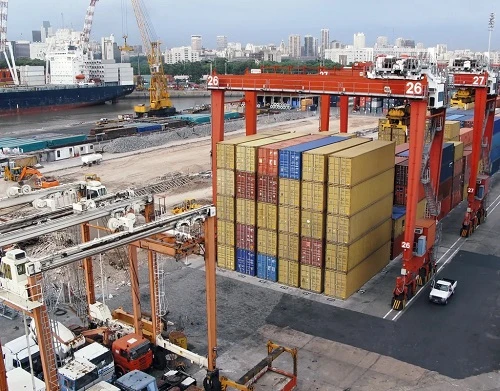

When people think about freight and logistics, the focus usually goes to long-haul transportation or last-mile delivery. But the real hero-often unnoticed-is drayage freight. This short-distance, high-pressure segment of the supply chain is where delays begin, costs quietly pile up, and freight either flows or stalls. While it sounds simple-moving cargo from port to warehouse or intermodal terminal-it’s anything but. The true complexity of drayage trucking services lies in how tightly it’s woven into every stage of freight movement, and how crucial it is for speed and success.
Why Drayage Freight Is Often Overlooked?
It’s easy to miss the importance of drayage because it happens fast and locally-usually within a 50-mile radius of ports or terminals. But this is where the supply chain breathes or suffocates. Drayage freight sits at a unique crossroads: high volume, rapid turnaround, and sensitive deadlines. Yet it rarely gets the spotlight. Businesses tend to plan around long-distance routes, assuming the first or last leg will “just work.” The truth? A missed drayage window can derail an entire shipping plan.
Add to that urban congestion, appointment scheduling at ports, driver shortages, and chassis availability-suddenly, drayage trucking becomes a risky bottleneck. And when it falters, even the most well-oiled logistics systems start to grind.
What’s Really Slowing down Drayage Trucking?
So, what’s behind the inefficiencies in drayage trucking services? The biggest culprit is fragmentation. Multiple parties are involved in the first-mile: port authorities, customs, trucking dispatchers, equipment providers, and warehouse managers. One minor misalignment-like a delayed customs clearance or a double-booked time slot-causes a domino effect that stretches timelines and inflates costs.
There’s also the human factor. Drayage relies heavily on real-time communication. Yet many systems still use outdated tech or manual coordination, leaving room for miscommunication and delays. Factor in fuel spikes, port congestion, and driver turnover, and the result is a deeply unpredictable environment.
And let’s not forget regulations. Emission standards, local traffic restrictions, and labor laws can further complicate what seems like a “quick” delivery. The result is that drayage isn’t just short-haul trucking-it’s a hyper-sensitive, highly strategic segment.
How Can Modern Drayage Trucking Services Adapt?
The future of drayage trucking services lies in smarter synchronization. This doesn’t mean throwing more tech at the problem-it means using it right. Visibility tools, predictive scheduling, and better chassis tracking are game changers. But more importantly, there’s a need for deeply experienced dispatchers who understand the nuances of local regulations, port protocols, and real-time rerouting.
Another shift we’re seeing? Sustainability. Electric and low-emission trucks are slowly being integrated, especially in major port cities. This helps meet compliance goals while lowering operating costs in the long run. Meanwhile, consolidation of loads, pre-pull strategies, and better warehouse slotting can eliminate those costly idle hours and reduce empty miles.
But all this only works if there’s tight integration between systems and services. No more siloed logistics steps-drayage freight needs to plug into the larger freight ecosystem like a live wire.
Why Partnering Smartly Is the Real Game-Changer
Let’s be honest-most logistics headaches start because the small things weren’t handled well. That’s exactly why choosing the right drayage partner is more than just a checkbox. You need a team that treats drayage trucking like the make-or-break factor it is, not just an afterthought.
That’s where KCH Transportation comes in. Our team gets how fast-moving, complex, and nuanced drayage can be. We don’t offer cookie-cutter solutions-we build local drayage strategies around your specific freight flow. Whether it’s port-to-warehouse, rail-to-distribution center, or a hybrid model, we bring visibility, accountability, and flexibility.
We’re not here to overpromise. We’re here to optimize what others overlook. And while you won’t hear us shouting about it, you’ll feel the difference when your drayage moves stop causing delays-and start creating advantages.























Sign in to leave a comment.