
Dream catchers have transcended their traditional roots to become not only a captivating decorative piece but also a symbol of cultural heritage, spirituality, and healing. Initially created by Native American tribes, particularly the Ojibwa people, these woven ornaments are believed to protect individuals from negative energy while promoting peaceful dreams.
Today, dream catchers are woven into various cultural contexts and have become highly popular in home decor, especially in the boho and macrame communities. In this article, we’ll explore the spiritual significance of dream catchers, their origins, and how modern interpretations like the boho dream catcher or macrame wall hanging offer both beauty and healing.
What is a Dream Catcher?
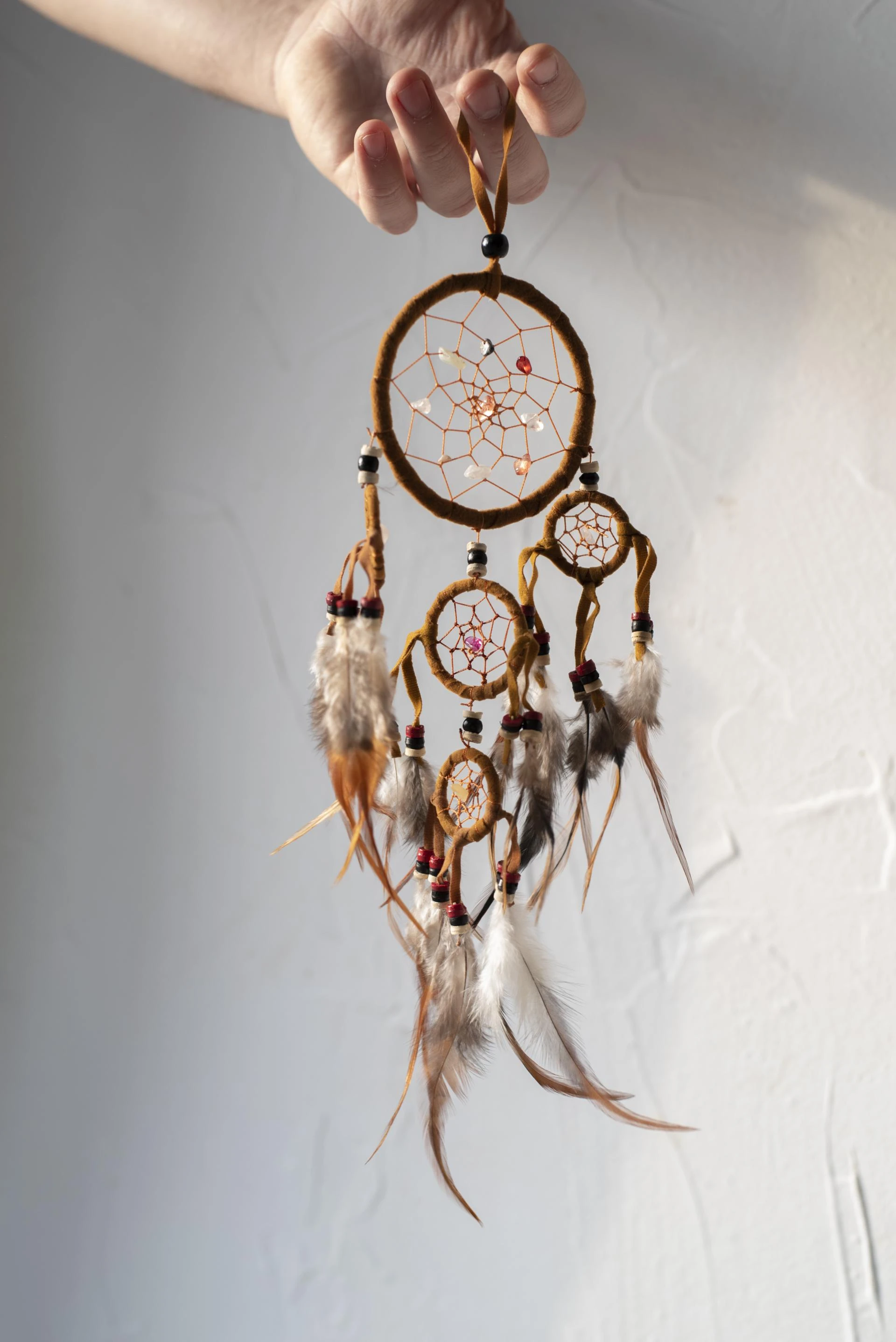
A dream catcher is typically made from a circular frame, often woven with natural fibers like sinew or thread, creating a web or net in the center. The design also features feathers, beads, and other symbolic decorations hanging from the bottom of the circle. Traditionally, the dream catcher was hung above the bed to protect individuals, especially children, from bad dreams or night terrors while allowing good dreams to pass through the web.
The basic components of a dream catcher include:
The Circle: This represents the cycle of life, unity, and wholeness. The circle also symbolizes the moon and the continuous flow of life.
The Web or Net: This part of the dream catcher is believed to filter out bad dreams and energies. The web also represents the interconnection of all things in the universe.
The Feathers: These are placed at the bottom of the dream catcher and represent air and the breath of life. Feathers also serve as guides for positive dreams, which are believed to slide down the feathers and into the sleeper’s mind.
The Beads: Often incorporated as decorations, beads can symbolize different things, such as protection, prayer, or guidance.
The Spiritual Significance of Dream Catchers

Dream catchers are deeply rooted in Native American spirituality, particularly the Ojibwa (Chippewa) tribe. The tradition is thought to have been passed down by a spiritual being known as the "Spider Woman," who is believed to have taught the tribe how to create these protective symbols. In many Native American cultures, it’s believed that the night brings both good and bad dreams. The dream catcher’s purpose is to filter the bad dreams, trapping them in its web, while allowing the positive, beneficial dreams to pass through and flow down the feathers.
Here are some ways in which dream catchers are seen to have spiritual significance:
Protection During Sleep: The primary spiritual use of a dream catcher is protection. It is thought that when placed above the bed or in the bedroom, a dream catcher acts as a guardian, safeguarding the sleeper from bad dreams, negative thoughts, and even harmful spirits. The bad dreams that are trapped within the web are believed to burn away in the first light of dawn, allowing the individual to wake up feeling rejuvenated and peaceful.
Healing and Well-being: Dream catchers are believed to have healing properties. Many people hang them in their homes to encourage positive energy, emotional healing, and mental clarity. The spiritual intent behind the dream catcher is to promote good vibes and create a space for balance and peace, both in the mind and in the environment.
Connection to Nature and the Elements: Dream catchers embody the interconnectedness of all life forms. They symbolize the natural world and the elements—earth, air, fire, and water. For example, the circular shape represents the earth and the cycles of nature, while the feathers represent air. Dream catchers are often made from natural materials like willow, leather, and feathers, further linking them to the spiritual concept of respect for nature.
Cultural Significance and Tradition: While the dream catcher has become widely known as a decorative item, it holds cultural importance in many Indigenous cultures. For example, the Ojibwa people consider it a spiritual artifact that represents the circle of life, community, and the connection between humans and the universe. By understanding the cultural context, one can deepen the appreciation for the dream catcher as more than just an aesthetic object.
Dream Catchers as Home Decor: The Boho Trend
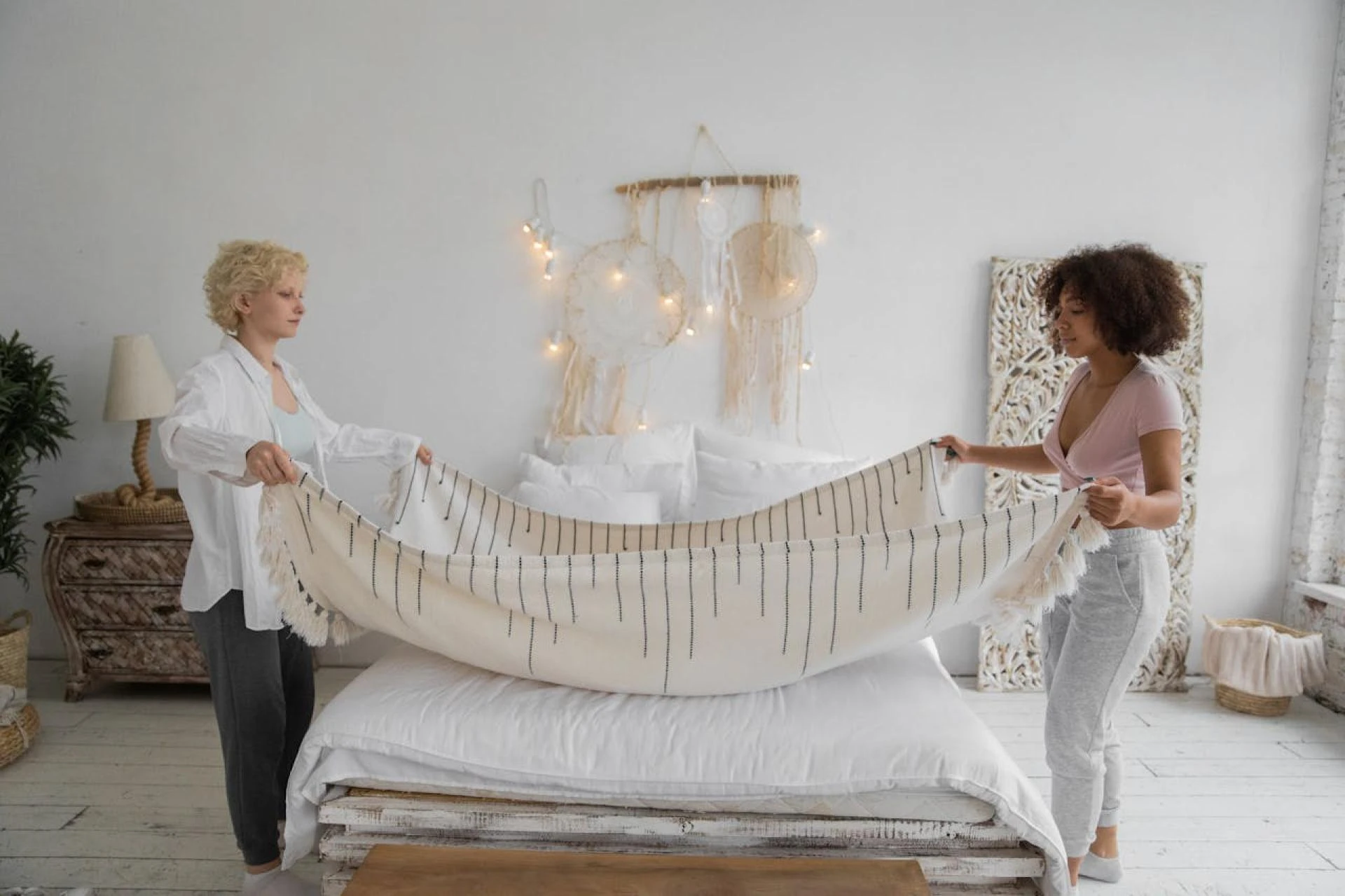
In recent years, dream catchers have seen a resurgence in popularity, particularly in the realm of home decor. The boho aesthetic, characterized by its free-spirited, eclectic style, has adopted dream catchers as a central element in interior design. Whether used as a dream catcher wall hanging or part of a more intricate setup, dream catchers add an organic and spiritual touch to any room.
The boho dream catcher style typically includes earthy colors, natural materials like feathers, beads, and leather, and intricate patterns. A boho dream catcher isn’t just about aesthetic appeal but also about creating a vibe that connects with nature and the spiritual world. Many boho dream catchers incorporate crystals, charms, or other elements that carry spiritual significance, enhancing the protective and healing qualities of the traditional design.
Some popular ways to integrate boho dream catchers into home decor include:
Bedroom Wall Hangings: Hanging a dream catcher on the wall above the bed is a traditional way to ensure protection from bad dreams. The serene and natural design of the dream catcher adds an element of tranquility, making the bedroom a calm sanctuary for rest.
As Part of a Boho Wall Gallery: Boho interiors often feature wall galleries with an eclectic mix of art, textiles, and natural elements. A boho macrame wall hanging or macrame wall hanging circle can be the focal point of this gallery, tying together the different elements with a touch of spirituality.
Layered with Other Textiles: Dream catchers work wonderfully when layered with other textures like woven throws, tassels, and rustic furniture. Their natural materials and intricate designs complement the cozy, lived-in feel of boho interiors.
Macrame Dream Catchers and Wall Hangings
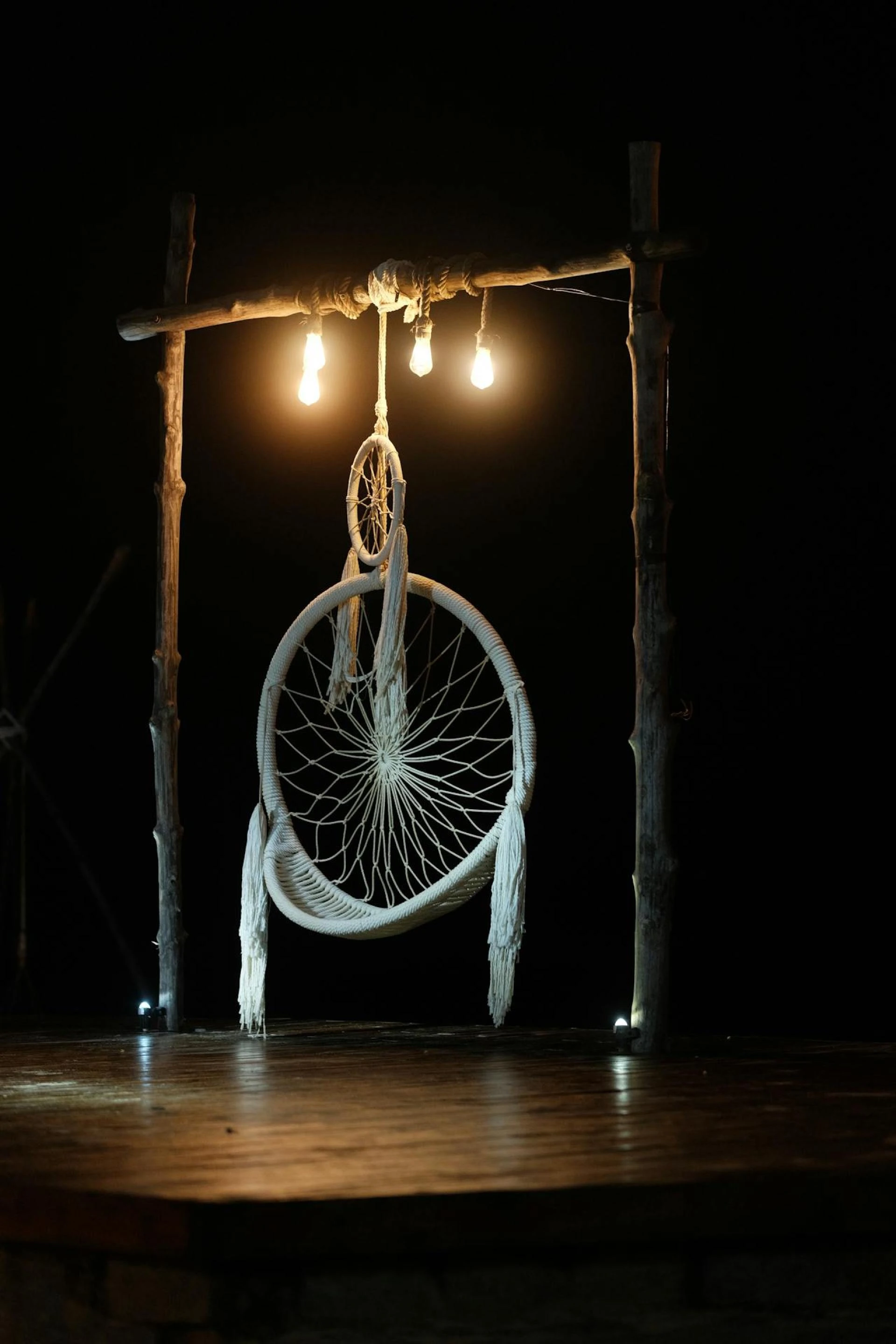
The art of macrame—a knotting technique that creates decorative patterns—has seen a resurgence in recent years, especially within the boho and cottagecore communities. Macrame dream catchers, in particular, combine the ancient tradition of dream catchers with the modern craft of macrame, creating stunning, intricate designs that bring both beauty and protection into the home.
A macrame wall hanging can be an exquisite addition to any space, and when combined with a dream catcher, it elevates the piece’s spiritual and aesthetic value. These macrame wall hangings often feature knotted fringe, intricate designs, and unique embellishments, giving a modern twist to the traditional dream catcher.
Here are some examples of macrame-based dream catchers and wall hangings:
Easy Macrame Wall Hanging: For those who are new to macrame, there are simple designs that can be created easily. An easy macrame wall hanging featuring a dream catcher frame can be made with minimal knots and can serve as an approachable introduction to the craft. Whether you’re making it for yourself or as a gift, these easy macrame designs bring an earthy, hand-crafted aesthetic to any space.
Macrame Wall Hanging Circle: A macrame wall hanging circle is perfect for those who enjoy the balance between geometric shapes and freeform design. These pieces combine the sacred circle shape of the traditional dream catcher with the artistry of macrame knots. This type of macrame wall hanging can have various knotting patterns, from simple knots to more complex designs, creating a sophisticated look.
Boho Macrame Wall Hanging: The boho macrame wall hanging with a dream catcher at its center is a staple in bohemian-style interiors. These wall hangings feature elaborate knotting techniques that add texture and dimension to the decor. The dream catcher at the center can be adorned with feathers, beads, or crystals, enhancing its spiritual significance while adding a decorative flair.
Large Macrame Dream Catchers: For a bold statement piece, large macrame dream catchers can be placed in living rooms, above beds, or in meditation spaces. These large pieces often incorporate extensive macrame techniques, including cascading fringes, layered knots, and ornamental elements. A large macrame dream catcher can serve as both a focal point and a spiritual protector in a space.
The Healing Power of Dream Catchers in Modern Times
While dream catchers were originally used to protect against bad dreams, their significance in modern spirituality has expanded. Many individuals today use dream catchers to promote general well-being and emotional healing. Whether placed in a bedroom, living room, or meditation space, the symbolism of the dream catcher is still alive and powerful.
Meditation and Mindfulness: Dream catchers are often used in meditation spaces to encourage relaxation and mental clarity. The act of creating or interacting with a dream catcher can serve as a grounding exercise, helping to focus the mind and clear away negative thoughts. A boho macrame wall hanging can also add to the tranquil atmosphere, turning a room into a sanctuary for meditation.
Manifestation and Affirmations: For some, dream catchers serve as reminders of personal intentions or affirmations. The symbolism of trapping negative energy and allowing positive energy to flow through aligns with the idea of manifesting positive goals and desires. Placing a dream catcher near your workspace or in your personal space can encourage a flow of good energy, creativity, and focus.
Conclusion:
Dream catchers are much more than just beautiful wall hangings or trendy decor items. These intricate pieces carry deep spiritual meaning and serve as protectors of sleep, dreamers, and individuals seeking peace. The combination of ancient symbolism and modern craft, such as the boho dream catcher, macrame wall hangings, and boho macrame wall hangings, has made dream catchers a versatile and meaningful addition to any home. Whether you’re drawn to their protective qualities, their aesthetic charm, or their connection to nature, dream catchers offer much more than meets the eye, making them a beloved part of many people’s spiritual practices and home decor.













Sign in to leave a comment.