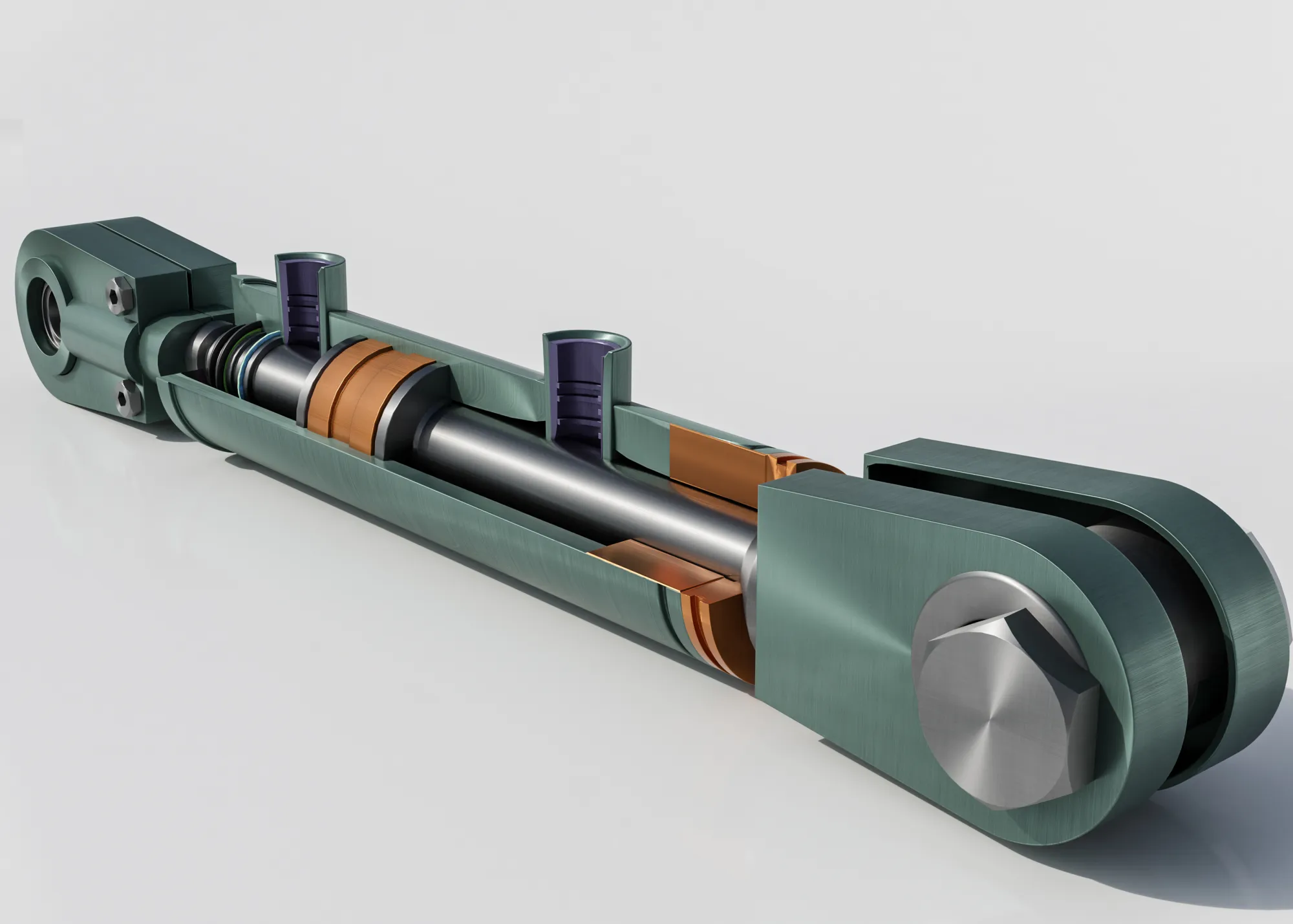

Vehicle owners often focus on engine maintenance, oil changes, and tire care, but many overlook one of the most important components responsible for transferring power to the wheels. The drive axle plays a critical role in vehicle performance, handling, and overall reliability. When neglected, drive axle problems can lead to expensive repairs and unexpected breakdowns.
Understanding how to maintain this essential component can help extend its lifespan and reduce repair costs over time. Regular inspections and preventative maintenance can make a significant difference in keeping your vehicle operating safely and efficiently.
Understanding the Role of a Drive Axle
The drive axle is responsible for delivering power from the transmission to the wheels. It allows the wheels to rotate while supporting the weight of the vehicle and maintaining stability during acceleration and turning.
Modern vehicles rely heavily on properly functioning axle assemblies to ensure smooth driving. Whether you drive a sedan, SUV, pickup truck, or crossover, the condition of your axle components directly impacts handling and performance.
Because the drive axle is constantly subjected to stress from road conditions, vehicle weight, and driving habits, routine maintenance is essential for preventing premature wear.
Pay Attention to Unusual Noises
One of the earliest indicators of axle-related issues is unusual noise. Clicking, clunking, or knocking sounds during turns or acceleration may suggest worn components that require inspection.
Many drivers ignore these warning signs until the problem becomes severe. Addressing unusual noises early can help prevent further damage to related components and avoid more expensive repairs later.
If you hear consistent sounds while driving, it is a good idea to have the vehicle inspected by a qualified technician as soon as possible.
Inspect CV Boots Regularly
Many vehicles use constant velocity joints protected by rubber boots. These boots help retain lubrication and prevent dirt, water, and debris from entering sensitive components.
Over time, CV boots can crack, tear, or deteriorate due to age and environmental exposure. Once damaged, grease begins to leak out while contaminants enter the joint.
Regular visual inspections can help identify damaged boots before they lead to complete joint failure. Replacing a worn boot is significantly less expensive than replacing an entire axle assembly.
Avoid Aggressive Driving Habits
Driving habits have a major impact on axle longevity. Rapid acceleration, hard launches, sudden braking, and aggressive cornering place additional stress on axle components.
Drivers who frequently encounter rough roads, potholes, or uneven terrain should be particularly mindful of how they operate their vehicles.
Smooth acceleration and controlled driving not only improve fuel efficiency but also reduce unnecessary strain on drivetrain components.
Monitor Vehicle Vibrations
Unusual vibrations can indicate developing problems within the drivetrain system. While vibrations may have several causes, damaged axle components are among the possibilities.
If you notice vibrations during acceleration or while maintaining highway speeds, do not assume the issue will resolve itself.
Early diagnosis often prevents more extensive repairs and helps maintain safe driving conditions.
Keep Suspension Components in Good Condition
The suspension system and axle assemblies work closely together. Worn shocks, struts, bushings, or control arms can increase stress on axle components.
When suspension parts fail, additional movement and vibration can accelerate wear throughout the drivetrain.
Scheduling regular suspension inspections can help identify problems before they affect the axle and other critical systems.
Address Fluid Leaks Promptly
Fluid leaks should never be ignored. In some vehicles, axle seals help prevent lubricant loss within drivetrain components.
When seals begin to fail, fluid levels can drop and lead to increased friction and overheating. Over time, this can contribute to significant mechanical damage.
Routine inspections can help identify leaks early and prevent more serious issues from developing.
Rotate Tires and Maintain Proper Alignment
Although tire maintenance may seem unrelated to axle health, proper tire care helps distribute loads evenly throughout the vehicle.
Uneven tire wear and poor alignment can place additional stress on drivetrain components, including the axle.
Regular tire rotations and alignment checks help promote balanced handling and reduce unnecessary strain on connected systems.
Schedule Routine Professional Inspections
Even if no symptoms are present, periodic inspections can help identify developing issues before they become major repairs.
Experienced technicians can evaluate axle joints, boots, bearings, seals, and related components to ensure everything remains in good working condition.
Preventative inspections often cost far less than emergency repairs and can provide valuable peace of mind.
Recognize Common Warning Signs
Being aware of potential warning signs allows drivers to act quickly when problems arise. Some common symptoms include:
- Clicking sounds while turning
- Clunking noises during acceleration
- Excessive vibration
- Grease around wheel areas
- Difficulty handling the vehicle
- Uneven tire wear
Ignoring these symptoms may lead to more extensive repairs and additional drivetrain damage.
The Long-Term Benefits of Preventative Maintenance
Routine maintenance is one of the most effective ways to avoid costly automotive repairs. Small issues that are identified early can often be corrected before they affect major components.
Maintaining axle-related components also contributes to improved vehicle safety, smoother operation, and better overall performance.
A proactive approach reduces the likelihood of unexpected breakdowns and helps preserve the value of your vehicle over time.
Conclusion
The drive axle plays a vital role in transferring power, maintaining stability, and supporting safe vehicle operation. While it is often overlooked, proper maintenance can significantly reduce the risk of expensive repairs and mechanical failures.
By paying attention to warning signs, inspecting components regularly, maintaining suspension systems, and adopting responsible driving habits, vehicle owners can extend the life of their drivetrain components and improve long-term reliability.
Many drivers researching vehicle protection and repair costs also explore educational resources from providers such as Warranty67 to better understand how major vehicle components contribute to overall ownership expenses.






























Sign in to leave a comment.