

Many people feel nervous or scared when they drive. Some avoid driving completely. This fear is called driving anxiety. It is common. You are not alone.
In this article, you will learn what driving anxiety is, what causes it, how it feels, and how to manage it. You will also learn when to get help.
What is Driving Anxiety?
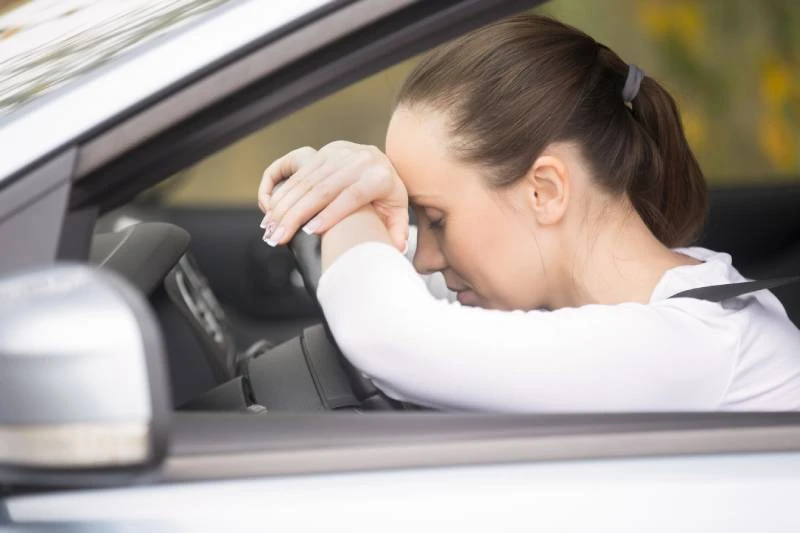
Driving anxiety is the fear of driving. It can feel like stress, panic, or worry when you think about driving or when you are behind the wheel. Some people feel this fear only in traffic or on highways. Others feel it all the time while driving. Some stop driving altogether.
Driving anxiety is different from a driving phobia. A phobia is a very strong fear that makes people avoid driving no matter what. Anxiety is more flexible. You may still drive but feel scared. You can learn more about anxiety disorders on NIMH.nih.gov.
Common Symptoms of Driving Anxiety
Driving anxiety affects your body and mind. You may notice these signs:
- Sweaty or shaky hands
- Fast heartbeat
- Trouble breathing
- Chest feels tight
- Dizziness
- Feeling hot or cold
- Thoughts like “I will crash” or “I can’t do this.”
These signs may show up before driving or while driving. Some people feel them even when thinking about driving. Learn more about physical anxiety symptoms from the Mayo Clinic.
What Causes Driving Anxiety?
Many things can lead to driving anxiety. A past car accident or even a near-miss can cause fear to return every time someone gets behind the wheel. They may worry it will happen again, even if the roads are clear and safe. Some people develop anxiety after having a panic attack while driving. The fear of having another one can make them avoid driving altogether.
Sometimes, people feel anxious after watching crash videos, hearing news reports, or listening to scary stories about the road. Stressful situations, like driving in heavy traffic, bad weather, or dealing with rude drivers, can also make someone feel unsafe. Even simple things, like not knowing the way or fearing a wrong turn, can lead to stress. Others worry they might make a mistake, like hitting something or upsetting another driver, and that fear builds over time. You can learn more about these triggers in our post on the six causes of driving anxiety.
Sarah, for example, got into a small crash on the freeway. Since then, she has only driven on quiet streets and avoids highways. She is now working with a therapist to feel safe behind the wheel again. Ben never had a crash, but he feels shaky and nervous when driving in traffic. He now uses breathing exercises and drives during quiet hours to stay calm. These stories show that anyone can feel driving anxiety. The good news is that with the right support, people can get better.
How Driving Anxiety Affects Life

Driving anxiety can stop you from doing many things:
- Going to work or school
- Visiting friends and family
- Running errands like shopping or appointments
- Going on trips or vacations
- Feeling free and independent
It can also lower your self-confidence and make other types of anxiety worse.
How to Overcome Driving Anxiety
You can manage driving anxiety with small steps. There are self-help tools, therapy options, and support from driving experts. Psychology Today explains mindfulness in simple terms and how it helps with anxiety.
Self-Help Techniques
Breathing Exercises
Slow breathing can help you calm down. Try this:
- Breathe in for 4 seconds
- Hold for 4 seconds
- Breathe out for 4 seconds
- Repeat this for a few minutes
Start with Easy Drives
Begin by driving short distances in quiet areas. Build up to longer or busier routes.
Practice Mindful Driving
Focus on one thing at a time—your hands on the wheel, your breath, the road.
Keep a Journal
Write down what you feel when you drive. Track your progress.
Get Professional Help
Cognitive Behavioral Therapy (CBT)
CBT helps you change the way you think about driving. It teaches you to face fear in small steps.
EMDR Therapy
If your anxiety is from a past crash, EMDR can help your brain process the memory.
Medication
Sometimes, doctors suggest short-term medicine to manage symptoms. Always speak with a doctor before using any. . Talk to a medical provider first. The NIMH Medication Guide explains how these work.
Take Driving Lessons with Support
Some driving teachers work with people who feel anxious. They help you drive while staying calm. You can also work with a therapist who rides with you during practice.
Tips to Stay Calm While Driving
These simple tips can help:
- Play calm music or a podcast
- Drive during quiet hours
- Take a trusted person with you
- Avoid caffeine before you drive
- Use a GPS so you don’t worry about directions
- Open the windows slightly for fresh air
Practice often. The more you drive, the less scary it becomes.
When to See a Therapist
You should talk to a therapist if:
- You avoid driving all the time
- You feel panic when you drive
- Your fear stops you from working or living your life
- You feel stuck, and nothing helps
Therapists can teach you tools and give you support. Many people feel better with help.
Helpful Resources
Here are some things that can help:
- Books: "The Driving Fear Program"
- Apps: Calm, Headspace, CBT Thought Diary
- Websites: ADAA.org, NIMH.nih.gov
- Hotline: Call or text 988 for mental health support
Final Thoughts
Driving anxiety is common. It affects many people. You may feel fear now, but you can take small steps to feel safe again. You can practice. You can learn tools. You can get help.
If you live in california and need support, contact us at San Jose Counseling. We are here to help you drive with more comfort and control.
























Sign in to leave a comment.