Driving Instructor Near Me | A Beginner's Guide

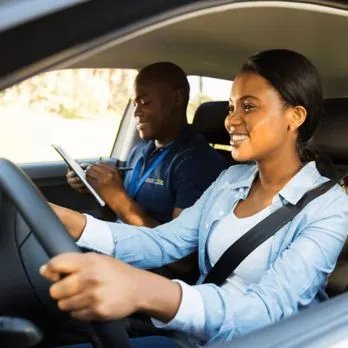
Finding a suitable Driving Instructor Near me is an important first step for anyone who wants to learn to drive. A good instructor can help you understand road rules, practise essential driving skills, and feel more confident behind the wheel. Beginners should look for someone who is patient, explains things clearly, and provides useful feedback after each lesson. Comparing qualifications, lesson prices, teaching styles, and availability can help you make a better choice. With regular practice and the right guidance, you can develop the skills needed to drive safely and prepare for your practical test.
Driving Instructor Near Me: Important Things to Consider
Choosing an instructor involves more than finding someone who offers cheap lessons. You need a teacher who understands your learning needs and helps you improve at a comfortable pace. Beginners may feel nervous at first, so a calm and supportive teaching style can make lessons easier.
Check that your instructor is properly qualified and authorised to provide driving lessons. You can ask about their experience teaching beginners, how they plan lessons, and how they monitor progress. Clear communication is important because you should understand what you are learning and why each skill matters.
It is also useful to ask about lesson duration, cancellation rules, and available booking times. Some learners prefer lessons during the day, while others need evening or weekend appointments. Choose an arrangement that fits your daily routine so you can practise consistently.
Check Instructor Qualifications and Teaching Style
A qualified instructor should explain driving skills in a way that is easy to understand. During lessons, you may learn how to use the controls, move away safely, check mirrors, approach junctions, and respond to other road users.
Every learner develops at a different speed. Some people become comfortable with the controls quickly, while others need more time. A good instructor will adjust the lesson to your ability rather than rushing you through difficult tasks.
Before booking, ask how the instructor gives feedback. Helpful feedback explains both what you did well and what needs improvement. This allows you to understand your mistakes and work on them during future lessons.
You should also feel comfortable asking questions. If an explanation is unclear, your instructor should be willing to explain it again. A positive learning environment can help you stay focused and build confidence over time.
Compare Driving Lesson Costs
Lesson prices can vary according to location, lesson length, instructor availability, and the type of car used. Before choosing a provider, compare the total cost of learning rather than focusing only on the price of one lesson.
Ask whether discounts are available for block bookings and check the conditions before paying in advance. Find out whether unused lessons can be rescheduled and whether packages have an expiry date. Understanding these details can help you avoid unexpected costs.
You should also consider the value of each lesson. Clear instruction, useful feedback, and a structured learning plan can make your practice more productive. The cheapest option may not be the most suitable if the schedule or teaching approach does not meet your needs.
Set a realistic budget that includes both lessons and other possible expenses, such as your theory test and practical driving test fees. Planning ahead can make the learning process easier to manage.
Decide Between Manual and Automatic Driving Lessons
One of the first decisions for a new learner is whether to choose a manual or automatic car. Both options can teach you important road skills, but they offer different learning experiences.
Manual lessons involve using a clutch and changing gears. These tasks may take time to master, but learning in a manual car can give you the option of driving either manual or automatic cars after passing the appropriate test.
Automatic lessons do not require manual gear changes. Some learners find this easier because they can concentrate more on steering, road positioning, observation, and traffic conditions. However, automatic lessons may cost more in some areas, so compare local prices before deciding.
Think about your confidence, future needs, and budget. Ask your instructor to explain the differences so you can make an informed decision.
Prepare for Your First Driving Lesson
It is normal to feel nervous before your first lesson, especially if you have never sat in the driver's seat before. Remember that your instructor is there to guide you through each step.
Make sure you have a valid provisional driving licence and meet the legal requirements for learning to drive. Wear comfortable shoes that allow you to operate the pedals safely. Arrive on time and listen carefully to the instructor's guidance.
Your first lesson may include learning about the car's controls, adjusting the seat and mirrors, and understanding basic safety checks. Depending on your ability and the lesson location, you may also begin practising simple movements.
Do not worry about making small mistakes. Ask questions whenever you need help and tell your instructor if you feel uncomfortable. Learning at a steady pace can help you develop good habits from the beginning.
Practise on Different Types of Roads
Driving on different roads helps learners understand how traffic conditions can change. Quiet residential streets are often useful for practising basic control, while busier roads introduce more complex situations.
As you improve, your instructor may help you practise at junctions, roundabouts, traffic lights, and areas with parked cars. You can also learn how to respond to pedestrians, cyclists, and other road users.
For learners taking driving lessons Manchester, practising in different local traffic conditions can help develop observation and decision-making skills. The instructor should select routes that match your current ability and introduce more challenging situations when you are ready.
The aim is not simply to complete a route. It is to learn how to identify hazards, choose safe positions, maintain suitable speeds, and follow road signs. These skills will remain useful after you pass your test.
Build Confidence and Track Your Progress
Confidence comes from understanding your skills and practising them regularly. Try to book lessons at consistent intervals where possible. Regular practice can help you remember previous learning and identify areas that need more attention.
After each lesson, review the feedback from your instructor. You might need more practice with parking, clutch control, reversing, or approaching junctions. Focus on one or two areas at a time instead of trying to improve everything in one session.
You can also revise road signs and theory test topics between lessons. Learning the Highway Code will help you understand the rules and make safer decisions.
Avoid comparing your progress with other learners. Everyone has different strengths and challenges. Concentrate on improving your own performance and ask your instructor when you are ready to move on to more advanced skills.
Frequently Asked Questions
1. How can I find a suitable local instructor?
Compare qualifications, teaching methods, lesson prices, and availability. Choose an instructor who communicates clearly and supports your progress.
2. Can I learn to drive if I feel nervous?
Yes. Many beginners feel nervous at first. Tell your instructor how you feel and work through the basic skills at a comfortable pace.
3. Are automatic lessons easier than manual lessons?
Some learners find automatic cars easier because there is no clutch or manual gear changing. The best option depends on your needs and preferences.
4. How often should I take driving lessons?
This depends on your budget, availability, and learning needs. Regular lessons can help you maintain progress and remember previously learned skills.
5. When should I book my practical test?
Book when you can drive safely and independently, understand the rules of the road, and your instructor believes you are ready. You should also feel confident with the required manoeuvres.
Final Thoughts
Choosing a suitable instructor can make your learning experience more organised and enjoyable. Take time to compare your options, check qualifications, understand lesson costs, and choose a schedule that works for you. Practise regularly, listen to feedback, and remember that mistakes can help you learn when you correct them. If you are comparing local tuition providers, Driving School Manchester is one option to consider when planning your driving journey. With patience and consistent effort, you can build safer driving habits and work towards passing your practical test.





Sign in to leave a comment.