

igning up for lessons is one of those decisions that's easy to put off simply because there's a lot to figure out beforehand. How many sessions will you realistically need? What should a package actually cost? Will the instructor's style suit the way you learn? If you're comparing options for a driving school in Delta, this guide answers the practical questions people usually have before enrolling, so you can start with a clear sense of what's ahead.
Rather than repeating generic advice, this article focuses on the decisions that genuinely shape your experience—timing, cost, instructor fit, and the common pitfalls that slow new drivers down.
Signs You're Ready to Start Lessons
You don't need to wait for a specific milestone to begin. That said, a few signs typically suggest you're ready to start with a driving school in Delta:
- You've obtained your learner's permit and met any minimum holding period required before lessons
- You have some flexibility in your weekly schedule for consistent practice
- You're comfortable observing traffic patterns, signals, and driver behavior as a passenger
- You're motivated to build driving skills gradually, rather than looking for a shortcut to a license
If most of these apply to you, it's usually a good time to start reaching out to local schools and comparing what's available.
What Actually Happens During Your First Lesson
Plenty of first-time students feel nervous simply because they don't know what to expect walking in. Most driving lessons follow a similar general format, regardless of which school you choose.
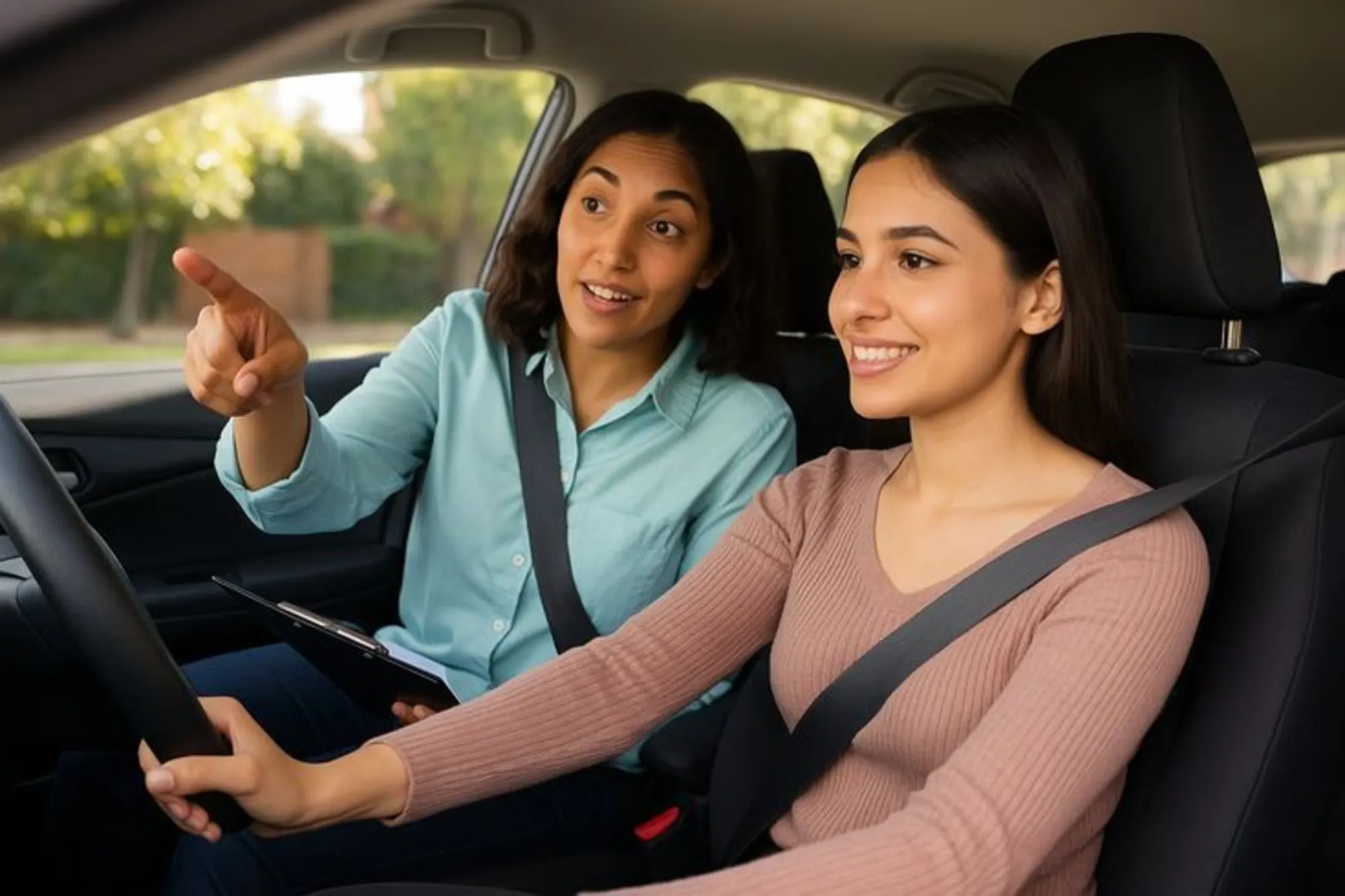
Your instructor will typically:
- Ask about any prior driving experience, even informal
- Walk you through basic vehicle controls and mirror adjustments
- Start in a quiet, low-traffic area to build initial comfort
- Gradually introduce turns, stops, and simple maneuvers
- Offer feedback at the end of the session, along with a general sense of what to focus on next
Knowing this ahead of time usually takes the edge off that first-lesson anxiety.
What Influences the Cost of Driving Lessons
Pricing varies quite a bit between schools, and a few consistent factors explain why.
- Package size – Bundled lesson packages usually cost less per session than paying individually.
- Vehicle type – Schools using newer dual-control vehicles may charge slightly more.
- Instructor experience – Highly rated, in-demand instructors sometimes charge a premium.
- Included extras – Some packages include a mock test or use of the school's car for your actual driving test.
- Location and travel time – Instructors covering a wider service area may factor travel into their rates.
Comparing a few lesson packages side by side, rather than choosing based on price alone, usually leads to a better overall experience.
How to Evaluate an Instructor Before Committing
Since you'll be spending several hours in a car with this person, fit matters more than people often expect.
Ask potential instructors:
- How long have they been teaching, and do they specialize in nervous or first-time drivers?
- What's included in their standard lesson packages?
- Do they offer a trial lesson before requiring a full commitment?
- How do they typically handle mistakes or setbacks during a lesson?
- What's their general approach to preparing students for the actual road test?
A good driving instructor should answer these clearly and without hesitation. Vague or dismissive answers are often a sign to keep looking elsewhere.
Common Mistakes to Avoid When Choosing a School
A few avoidable missteps tend to cause frustration down the line.
- Booking based on price alone, without checking instructor reviews or experience
- Skipping the trial lesson option, then discovering a mismatch in teaching style
- Not asking about cancellation policies, which can lead to unexpected fees
- Assuming all instructors prepare students the same way for local test routes
- Waiting too long between lessons, which slows overall progress and increases forgetting
Being aware of these upfront saves both time and unnecessary cost.
Building Confidence, Not Just Passing the Test
It's tempting to treat lesson planning purely as a means to an end, but the strongest programs also build lasting road safety habits. Look for instructors who introduce defensive driving concepts early, rather than focusing exclusively on what's required to pass.
This includes learning to anticipate other drivers' behavior, understanding safe following distances, and adjusting to different weather and lighting conditions common throughout the year. These habits matter well beyond your driving test, shaping how safely you drive for years afterward.
Common Mistakes New Drivers Make During Lessons
Even motivated students tend to repeat certain patterns early on.
- Forgetting shoulder checks, relying only on mirrors during lane changes
- Overcorrecting the steering wheel, leading to jerky, inconsistent lane position
- Rushing through parallel parking practice, since it's often the maneuver students dread most
- Losing focus on quiet roads, then feeling caught off guard once traffic increases
- Underestimating stopping distance, especially in wet or low-visibility conditions
A good instructor identifies these habits quickly and adjusts the lesson plan accordingly, rather than moving forward before a skill is genuinely solid.
How Many Lessons Should You Budget For?
This depends heavily on individual comfort level and prior experience. As a general guideline:
- Students with no prior experience often need 10 to 20 hours of professional instruction
- Those with some informal practice driving experience may need fewer formal lessons
- Students dealing with noticeable driving anxiety sometimes benefit from shorter, more frequent sessions rather than fewer, longer ones
Budgeting slightly more than the minimum you expect to need gives you flexibility if certain skills take longer to click.
Frequently Asked Questions
How soon before my test should I book lessons? Starting several weeks ahead gives you enough time to build core skills and fit in a mock test before the real exam, rather than cramming everything into the final days.
Can I split lessons between two different instructors? It's possible, but consistency generally speeds up progress. If you do switch, make sure the new instructor reviews your prior progress rather than starting completely from scratch.
Do I need to already know traffic rules before starting lessons? Basic familiarity helps, but instructors typically reinforce rules of the road throughout your lessons, so you don't need to master them beforehand.
What if I've already failed a road test once? This is more common than people think and doesn't mean starting over. A few targeted lessons focused on whatever came up during your test are usually enough to prepare for a retest.
Is it worth continuing lessons after I get my driver's license? Some new drivers choose a few refresher sessions after receiving their driver's license, particularly for skills like highway merging or nighttime driving that weren't heavily practiced beforehand.
Final Thoughts
Choosing the right driving school in Delta comes down to understanding what to expect, asking the right questions upfront, and prioritizing genuine skill-building over simply rushing toward a license. A little research before you enroll saves time, money, and unnecessary stress once lessons begin.
If you're ready to take the next step, reach out to a few local driving schools in Delta, ask about trial lessons, and compare their lesson packages before committing. Starting with the right information makes the entire process far smoother.
























Sign in to leave a comment.