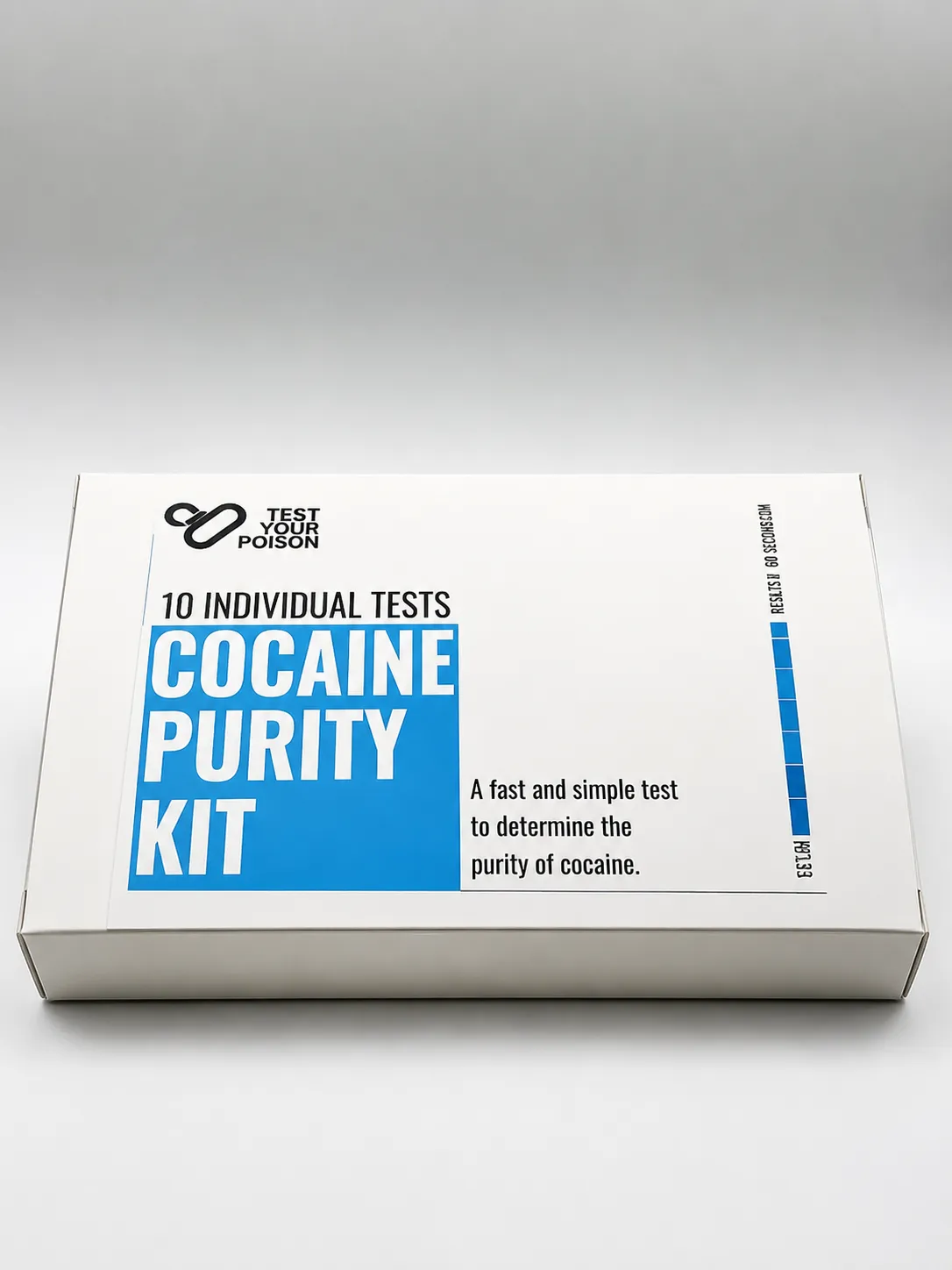
Drug awareness begins with recognizing that an unknown substance may not always contain what it is expected to contain. In Canada, drug checking has become an important topic within harm reduction discussions because substances from unregulated sources can vary significantly. A drug purity test kit Canada users can access may provide preliminary information about a sample, helping reduce some uncertainty. However, understanding what testing can and cannot reveal is essential for interpreting results responsibly.
Why Drug Awareness Matters in Canada
The composition of an unregulated substance cannot reliably be determined by its appearance, packaging, or claimed source. Two samples that look similar may contain different substances, concentrations, or unexpected compounds.
This uncertainty is one reason drug checking can be valuable. Testing provides another source of information that can challenge assumptions and encourage a more informed understanding of an unknown sample.
It is important to emphasize that drug checking is not about declaring a substance safe. Instead, it is about providing information that may contribute to greater awareness and harm reduction.
What Is a Drug Purity Test Kit?
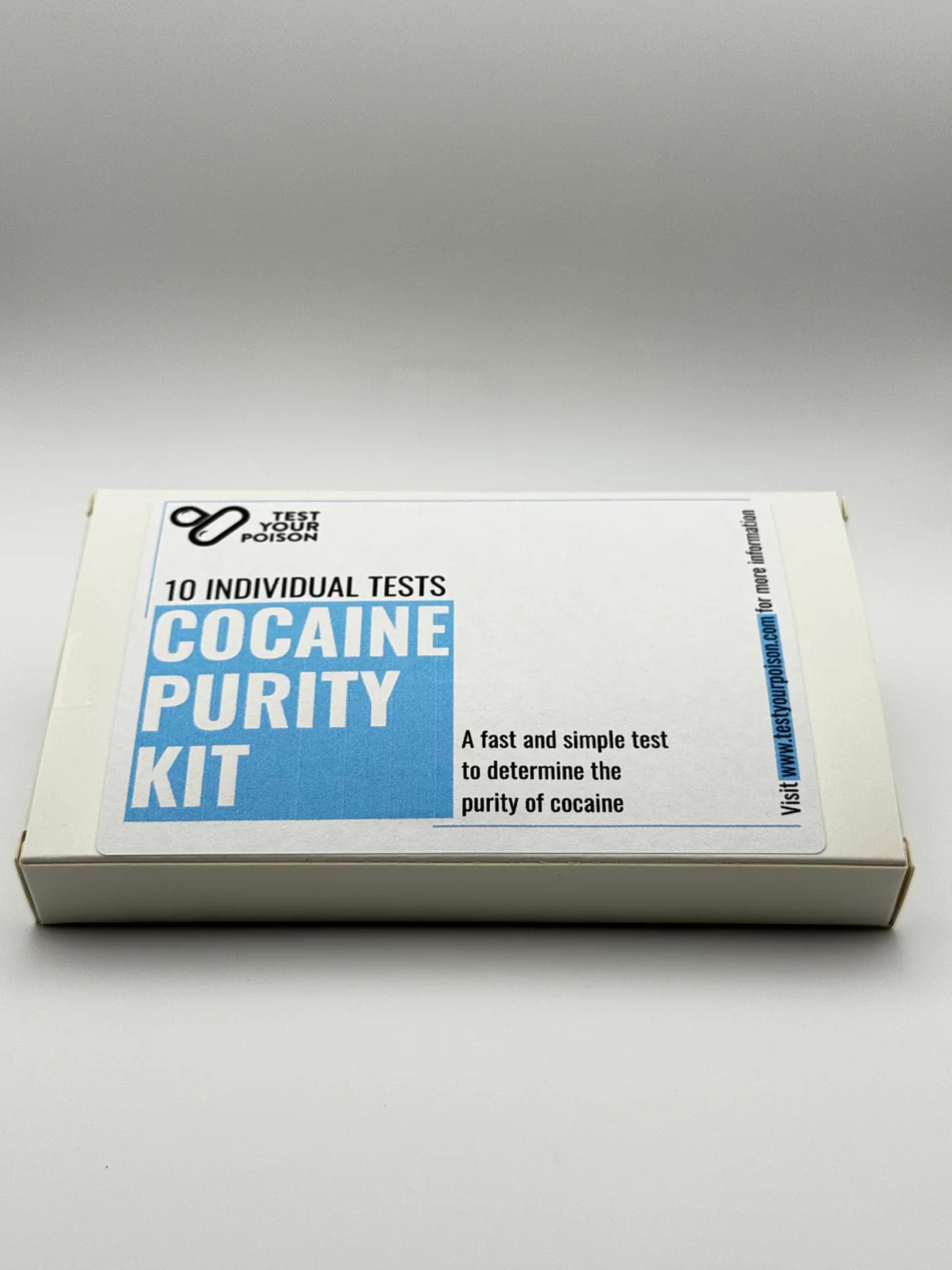
A drug purity test kit is generally a screening tool designed to provide preliminary information about a substance. Depending on the specific product, testing may involve chemical reagents or other detection technologies intended to identify certain compounds or characteristics.
The term “purity” can sometimes be misunderstood. Many consumer testing products are not designed to calculate an exact percentage of a substance or provide a complete chemical profile. Their purpose is usually to offer specific screening information within defined detection limits.
Anyone using a testing product should understand its intended purpose and follow the manufacturer's instructions carefully.
How Testing Can Improve Drug Awareness
One of the strongest benefits of drug checking is that it can replace assumptions with additional information. Someone may believe a sample contains a particular substance based on how it looks or what they have been told about it.
A test may provide a result that supports or challenges that expectation. Even when a result does not answer every question, it can encourage greater awareness of uncertainty.
This educational aspect makes testing relevant to harm reduction. Understanding that a substance may contain unexpected compounds can encourage people to seek reliable information and think more carefully about potential risks.
What Can a Test Kit Tell You?
The answer depends on the testing technology. Some tests can provide a presumptive indication that a particular substance may be present. Others may be designed to screen for specific adulterants or compounds.
However, a screening result should not be interpreted as a complete chemical analysis.
For example, detecting a target substance does not necessarily mean that it is the only substance present. Similarly, a test designed to screen for one adulterant cannot confirm that every other possible contaminant is absent.
Understanding the scope of the test is therefore essential when interpreting results.
Understanding Testing Limitations
Every testing method has limitations. Home screening kits generally cannot match the breadth and precision of professional laboratory analysis.
Results can also be affected by factors such as storage conditions, product expiration, sample preparation, contamination, timing, and testing technique. Sampling itself can be a limitation because a small portion may not represent the entire material if its contents are unevenly distributed.
These limitations do not make testing useless. Rather, they demonstrate why results should be treated as one source of information instead of definitive proof of a sample's complete composition.
Home Testing and Laboratory Analysis
Professional laboratories use advanced analytical techniques to identify and, where appropriate, quantify multiple compounds. This provides a much more detailed understanding of a sample than most consumer testing kits can offer.
Home testing serves a different purpose. It can provide accessible preliminary screening information, while laboratory analysis can provide a more comprehensive chemical assessment.
Recognizing this distinction is an important part of E-E-A-T-focused drug education because it prevents exaggerated claims about what a consumer test can accomplish.
Testing Does Not Mean a Substance Is Safe
A common misconception is that obtaining a particular test result means a substance is safe. This is not the case.
A test cannot predict how an individual will respond to a substance, identify every possible health risk, or guarantee that an unknown sample contains no unexpected compounds.
The most responsible way to view drug testing is as an information-gathering practice. It can reduce some uncertainty while leaving other questions unanswered.
The Role of Drug Checking in Harm Reduction
Harm reduction focuses on practical approaches that can help people understand and reduce preventable risks. Drug checking can fit into this framework by providing additional information about substances encountered in unregulated markets.
In Canada, access to accurate drug information and appropriate testing resources can contribute to broader public awareness. Testing becomes particularly meaningful when combined with credible education about substance composition, test limitations, and the difference between screening and laboratory analysis.
The goal is better-informed awareness rather than a promise of complete safety.
Conclusion
A drug purity test kit Canada users may consider can provide useful preliminary information and contribute to greater drug awareness when used and interpreted responsibly. Testing can help reduce some uncertainty, but it cannot establish complete purity, identify every possible compound, or guarantee safety. Understanding the testing method, following instructions, and recognizing its limitations are essential parts of responsible drug checking. Test Your Poison supports greater awareness through drug-testing resources and educational information focused on informed harm reduction.
Frequently Asked Questions
1. What is a drug purity test kit used for?
A drug purity test kit is generally used to screen a sample and provide preliminary information about particular substances or compounds, depending on the testing method.
2. Can a drug purity test kit determine exact purity?
Not necessarily. Many consumer tests are designed for qualitative or presumptive screening rather than precise measurement of a substance's concentration.
3. Can testing identify everything in a sample?
No. A home testing kit has specific detection capabilities and cannot provide the comprehensive chemical profile that professional laboratory analysis can offer.
4. Does a test result guarantee that a substance is safe?
No. Testing can provide information but cannot eliminate all risks or guarantee that a sample is free from unexpected substances.
5. Why is drug testing relevant to harm reduction?
Drug checking can provide additional information about unknown substances, helping reduce some uncertainty and supporting greater awareness when combined with credible education.


























Sign in to leave a comment.