
India is one of the world’s largest producers and exporters of salt, supplying a wide range of markets that include food processing, pharmaceuticals, chemicals, and de-icing industries. At the heart of this massive production network lies Gujarat — a state that has earned its reputation as the salt capital of the country. Today, salt manufacturers in Gujarat play a decisive role not only in meeting domestic demand but also in positioning India as a reliable global exporter.
From favorable natural conditions to strong infrastructure and export-friendly policies, Gujarat’s dominance in the salt sector is no coincidence. This article explores why salt manufacturers in India, particularly those based in Gujarat, continue to lead the industry and drive salt export from India to international markets.
Gujarat’s Natural Advantage in Salt Production
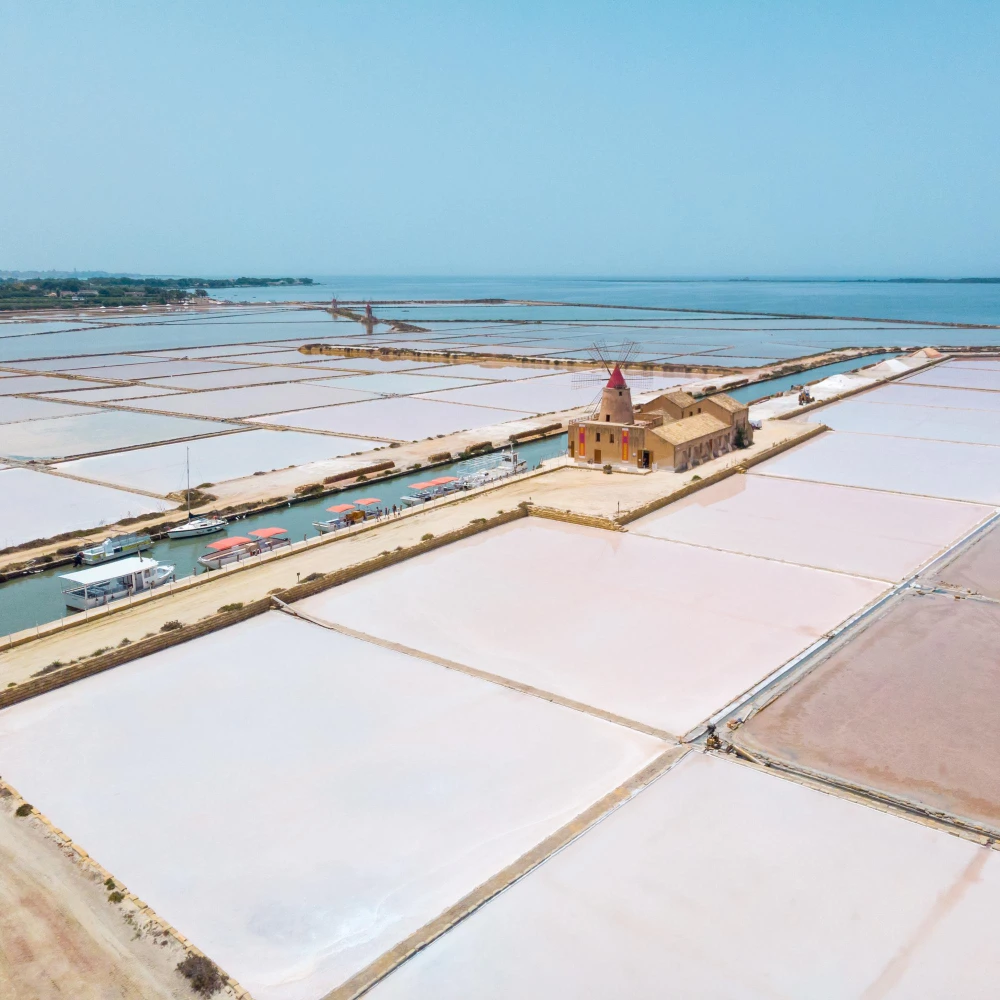
One of the biggest reasons behind Gujarat’s leadership is its unique geography and climate. The state has a long coastline of over 1,600 kilometers, providing ideal conditions for large-scale salt production. Regions such as Kutch, Bhavnagar, Jamnagar, and the Little Rann of Kutch are naturally suited for solar evaporation — the most cost-effective method of salt manufacturing.
High temperatures, low rainfall, and extended dry seasons allow salt manufacturers in Gujarat to produce salt with minimal energy input. This natural efficiency gives Gujarat-based producers a significant cost advantage over manufacturers in other regions, strengthening their competitiveness in both domestic and international markets.
Scale and Expertise of Salt Manufacturers in India
India’s salt industry is vast, but Gujarat alone contributes more than 70% of the country’s total salt production. This concentration has helped develop unmatched expertise, infrastructure, and operational efficiency. Over the years, salt manufacturers in India operating in Gujarat have invested heavily in modern production techniques, refining processes, and quality control systems.
Large salt pans, mechanized harvesting, and advanced washing plants enable manufacturers to produce multiple grades of salt — including edible salt, industrial salt, refined salt, and specialty salts. This versatility allows Indian producers to serve diverse industries while meeting strict international quality benchmarks.
Strong Government Support and Policy Framework
Another major factor behind Gujarat’s dominance is consistent government support. The central and state governments have implemented policies that encourage salt production and exports. Simplified land leasing processes, infrastructure development in coastal regions, and export incentives have made it easier for salt manufacturers in Gujarat to scale their operations.
Institutions such as the Salt Commissioner’s Office also play a key role in regulating quality, monitoring production, and ensuring sustainable practices. This regulatory oversight enhances credibility, making salt export from India more trustworthy in the eyes of global buyers.
World-Class Infrastructure and Logistics
Efficient logistics are critical for bulk commodities like salt, and Gujarat excels in this area. The state is home to some of India’s busiest ports, including Kandla (Deendayal Port), Mundra, Pipavav, and Hazira. These ports are strategically located close to major salt-producing regions, significantly reducing transportation costs.
For international buyers, this proximity ensures faster turnaround times and consistent supply. Salt manufacturers in India benefit from seamless connectivity between production sites, warehouses, and ports, making salt export from India highly efficient and reliable.
Meeting International Quality and Compliance Standards
Global markets demand strict adherence to quality, safety, and environmental standards. Leading salt manufacturers in Gujarat comply with certifications such as ISO, FSSAI, HACCP, and REACH, depending on the target market. These certifications ensure that Indian salt meets food safety, industrial purity, and environmental requirements.
Advanced testing labs, controlled processing environments, and traceability systems help maintain consistency across shipments. As a result, salt export from India reaches markets in Asia, Africa, the Middle East, Europe, and beyond with minimal quality disputes.
Diverse Export Markets and Applications
One of the strengths of salt manufacturers in India is their ability to cater to a wide range of export applications. Gujarat-based exporters supply salt for:
- Food and edible use
- Chemical manufacturing
- Pharmaceuticals
- Textile processing
- Water treatment
- De-icing and industrial applications
This diversification reduces dependency on a single market and ensures stability even during global economic fluctuations. With increasing demand from emerging economies, salt export from India continues to grow year after year.
Sustainability and Future Growth
Modern salt manufacturers in Gujarat are increasingly focusing on sustainable practices. Solar evaporation itself is environmentally friendly, and many producers are adopting water conservation measures, responsible land use, and improved waste management systems.
Innovation in packaging, bulk handling, and logistics optimization is further enhancing efficiency. As global demand for high-quality industrial and edible salt increases, salt manufacturers in India are well-positioned to expand their footprint while maintaining sustainability.
Conclusion
Gujarat’s dominance in the salt industry is built on a powerful combination of natural advantages, industrial expertise, government support, and world-class infrastructure. Salt manufacturers in Gujarat have transformed the state into the backbone of India’s salt ecosystem, enabling the country to emerge as a major global supplier.
With consistent quality, competitive pricing, and reliable logistics, salt manufacturers in India continue to strengthen their presence in international markets. As demand rises across multiple industries, salt export from India is set to grow even further — driven largely by Gujarat’s unmatched leadership in salt production.










Sign in to leave a comment.