

Dubai, often referred to as the "City of Gold," is renowned for its opulent lifestyle, stunning architecture, and booming real estate market. Over the past few decades, Dubai has transformed into a global real estate hub, attracting investors, developers, and expatriates from around the world. In this blog, we will delve into the latest trends in the Dubai real estate market and explore the legal implications that property buyers and investors should be aware of, which they should discuss in detail with their real estate lawyers in Dubai when investing.
Dubai Real Estate Market Trends
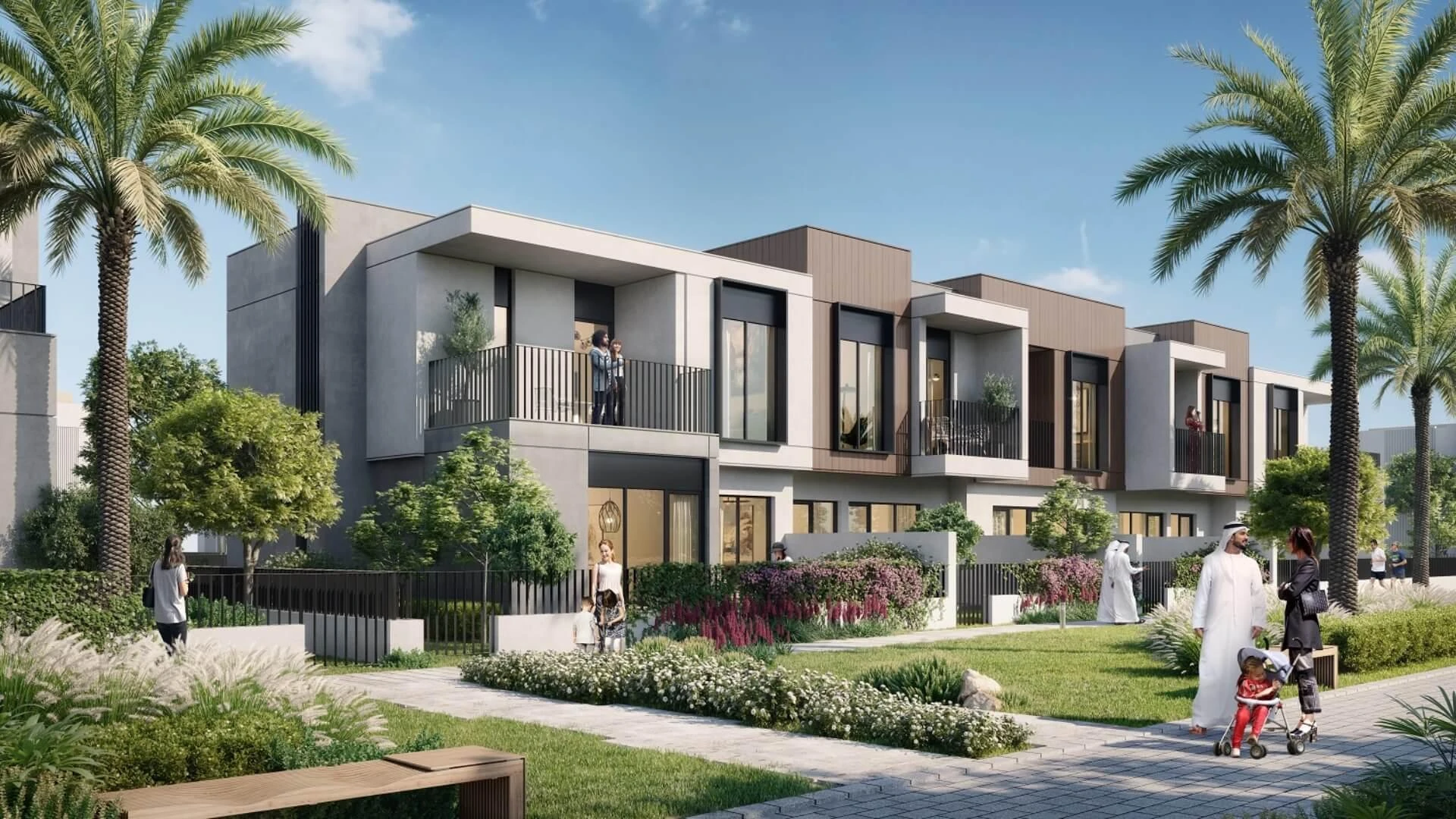
Shift Toward Affordable HousingOne noticeable trend in the Dubai real estate market is a shift towards more affordable housing options. Traditionally known for its luxury properties and iconic skyscrapers, developers are now focusing on catering to a broader demographic by offering mid-range and affordable housing. This shift is in line with Dubai's vision to become a more inclusive city, attracting a diverse population.
Sustainable and Eco-Friendly DevelopmentsDubai has been actively promoting sustainability and green initiatives in its real estate sector. Developers are increasingly incorporating eco-friendly designs, energy-efficient technologies, and sustainable materials into their projects. The push for sustainable living aligns with global efforts to combat climate change and reduce carbon footprints.
Smart Homes and Technology IntegrationDubai's real estate landscape is embracing the concept of smart homes. Modern developments often come equipped with cutting-edge technologies that allow residents to control various aspects of their homes through smartphones or voice commands. This trend caters to the growing demand for convenience and automation in daily living.
Off-Plan InvestmentsInvesting in off-plan properties remains a popular strategy in Dubai. Buyers purchase properties during the construction phase, often at a lower price, and can benefit from capital appreciation as the development progresses. Developers frequently offer attractive payment plans, making it accessible for investors to enter the market.
Short-Term Rentals and AirbnbDubai's tourism industry continues to thrive, and short-term rentals through platforms like Airbnb have gained popularity. Investors are buying properties with the intention of generating rental income from tourists and business travelers. However, it's crucial to understand the legal regulations surrounding short-term rentals to avoid potential issues.
Legal Implications for Property Buyers and Investors
Dubai's real estate market offers numerous opportunities, but it's essential to navigate it with a clear understanding of the legal framework. Here are some key legal considerations:
Freehold Ownership and LeaseholdForeign investors can acquire freehold ownership of properties in designated areas known as freehold zones. These zones are typically in high-demand areas, making them attractive to expatriate buyers. In other areas, leasehold arrangements are common, where the property is owned for a set number of years. Understanding the ownership structure in the area you're interested in is vital.
Property RegistrationProperty transactions in Dubai must be registered with the Dubai Land Department (DLD). This process involves verifying the property's title, ensuring it is free from encumbrances, and transferring ownership through legal channels. Working with a reputable real estate agent or legal advisor can simplify this process.
Property Visa and ResidencyInvesting in Dubai real estate can provide opportunities for residency. Some property investments meet the eligibility criteria for obtaining a UAE residency visa. However, the rules and regulations regarding residency visas can change, so it's essential to stay updated on the latest requirements.
Taxes and FeesDubai generally has no property taxes, making it an attractive destination for investors. However, there are transaction fees, including property transfer fees and agent commissions. Understanding the total cost of acquiring a property, including these fees, is crucial for budgeting.
Tenancy LawsIf you plan to rent out your property, familiarize yourself with Dubai's tenancy laws. These laws govern aspects like rental increases, security deposits, and eviction procedures. Complying with these regulations is essential to maintain a positive relationship with tenants and avoid legal disputes.
Off-Plan Property ProtectionsInvesting in off-plan properties can be rewarding, but it comes with risks. Dubai has implemented regulations to protect off-plan buyers. Developers must register their projects with the DLD, provide financial guarantees, and meet construction milestones. Buyers should carefully review the developer's track record and contract terms before committing.
Conclusion:
Dubai's real estate market is dynamic and full of opportunities, but it also demands a thorough understanding of its legal framework, for which you need to have guidance and support from an expert and skilled property lawyer in Dubai. Whether you're a property buyer, investor, or developer, staying informed about the latest market trends and legal implications is essential for making informed decisions. With its continued commitment to innovation and sustainability, Dubai's real estate sector is likely to remain an attractive destination for global investors in the years to come.







Sign in to leave a comment.