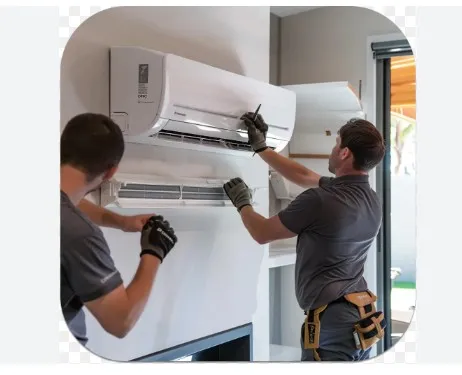

Why ductless heat pumps have become one of the smartest heating and cooling upgrades for the City Different's distinctive homes and high-desert climate
Santa Fe's homes are as distinctive as the city itself. From historic adobe casitas and Pueblo Revival houses to modern remodels and additions, many local properties were never built with central ductwork in mind. Add in a high-desert climate that swings from hot, sunny summer afternoons to cold winter nights at 7,000 feet, and you have a heating and cooling challenge that traditional systems don't always solve gracefully. This is exactly where ductless mini-split systems shine, offering efficient, flexible, and quiet comfort tailored to the way Santa Fe homes are actually built.
What Is a Mini-Split?
A mini-split is a type of heat pump that heats and cools without any ductwork. The system consists of an outdoor compressor unit connected to one or more indoor units, called heads, mounted on walls or ceilings inside the home. A small conduit carrying refrigerant lines and wiring links them, requiring only a modest opening in the wall rather than an extensive network of ducts. Because it's a heat pump, a single system handles both heating in winter and cooling in summer, moving heat rather than burning fuel to create it.
That heat-moving efficiency is the headline benefit. Mini-splits can deliver several units of heating or cooling energy for every unit of electricity they consume, which translates directly into lower utility bills compared with electric resistance heat, aging furnaces, or window air conditioners.
A Natural Fit for Santa Fe Homes
The ductless design solves problems that plague older and architecturally unique homes. Adobe structures with thick walls, additions built long after the original house, converted garages, sunrooms, and casitas often have no practical way to connect to central ductwork. Running ducts through these spaces can be invasive, expensive, or simply impossible without compromising the character of the building. A mini-split sidesteps all of that, requiring only a small penetration to link indoor and outdoor units.
Zoning is another major advantage. Because each indoor head can be controlled independently, you can heat or cool only the rooms you're using, keeping bedrooms comfortable at night while leaving unused spaces alone. For homes with rooms that never quite reach the right temperature, or for families with different comfort preferences, this room-by-room control is a genuine improvement in both comfort and efficiency.
Performance in a Cold, High-Desert Climate
A common concern is whether a heat pump can truly keep up during a Santa Fe winter. Older systems struggled in the cold, but today's cold-climate mini-splits are engineered specifically for regions like northern New Mexico. Advances in variable-speed compressors and refrigerant technology allow them to maintain strong heating output even when outdoor temperatures fall well below freezing. The dry, sunny high-desert air actually helps, since low humidity reduces the icing challenges seen in wetter climates.
A well-planned mini-split installation in Santa Fe accounts for these local realities from the start, matching equipment rated for cold climates to the specific heating and cooling loads of your home. Proper sizing is essential: a system that's too small will strain during cold snaps, while an oversized one cycles inefficiently and wastes energy. An experienced installer performs a careful load calculation that factors in your home's construction, insulation, window placement, and the region's elevation and temperature swings.
Installation Details That Matter
The quality of the installation determines how well the system ultimately performs. Placement of the indoor heads affects both comfort and aesthetics, and thoughtful positioning ensures even temperature distribution without disrupting the look of a room. The outdoor unit should be located to shed snow, drain condensation properly, and operate quietly. Correct refrigerant charging, secure line connections, and careful commissioning all influence efficiency and longevity.
Working with a professional who understands both the technology and the character of Santa Fe homes makes all the difference. Preserving the integrity of an adobe wall while running a discreet conduit, or configuring a multi-zone system across a rambling floor plan, calls for local knowledge and craftsmanship.
Incentives Worth Exploring
The financial case for going ductless has rarely been stronger. Federal tax credits reward homeowners who install qualifying high-efficiency heat pumps, covering a meaningful portion of the cost, and state programs or utility rebates may add further savings. Because these incentives change over time, it's worth confirming current eligibility with a tax professional and your installer before you buy, but the current environment strongly favors an upgrade.
Comfort Designed for the City Different
Few heating and cooling solutions align as naturally with Santa Fe's homes and climate as a ductless mini-split. Efficient, quiet, flexible, and unobtrusive, it delivers year-round comfort without the disruption of ductwork. For homeowners ready to explore the right configuration for their property, Solar Wise LLC brings the regional expertise, careful design, and quality installation that Santa Fe homes deserve.

























![Best Cloud Computing Courses & Certificates [2026]](/data/post/1865935/a3146442e219da996ed3b2fd.webp)

Sign in to leave a comment.