
I've spent the better part of seven years on warehouse floors, in supplier meetings, and reviewing damage reports from retail clients. If there's one thing that becomes painfully obvious early in this career, it's that most brands underestimate what a box actually does.
It's not just a container. It's a structural decision, a brand statement, and a supply chain variable all rolled into one corrugated or rigid sheet. And when brands get it wrong, they feel it in returns, in complaints, and eventually in margin.
The Materials Decision Is Where It Starts
Most of my clients come in asking about printing and finishing first. That's the wrong conversation to start with. Before you talk about spot UV coating or embossing, you need to nail down your substrate.
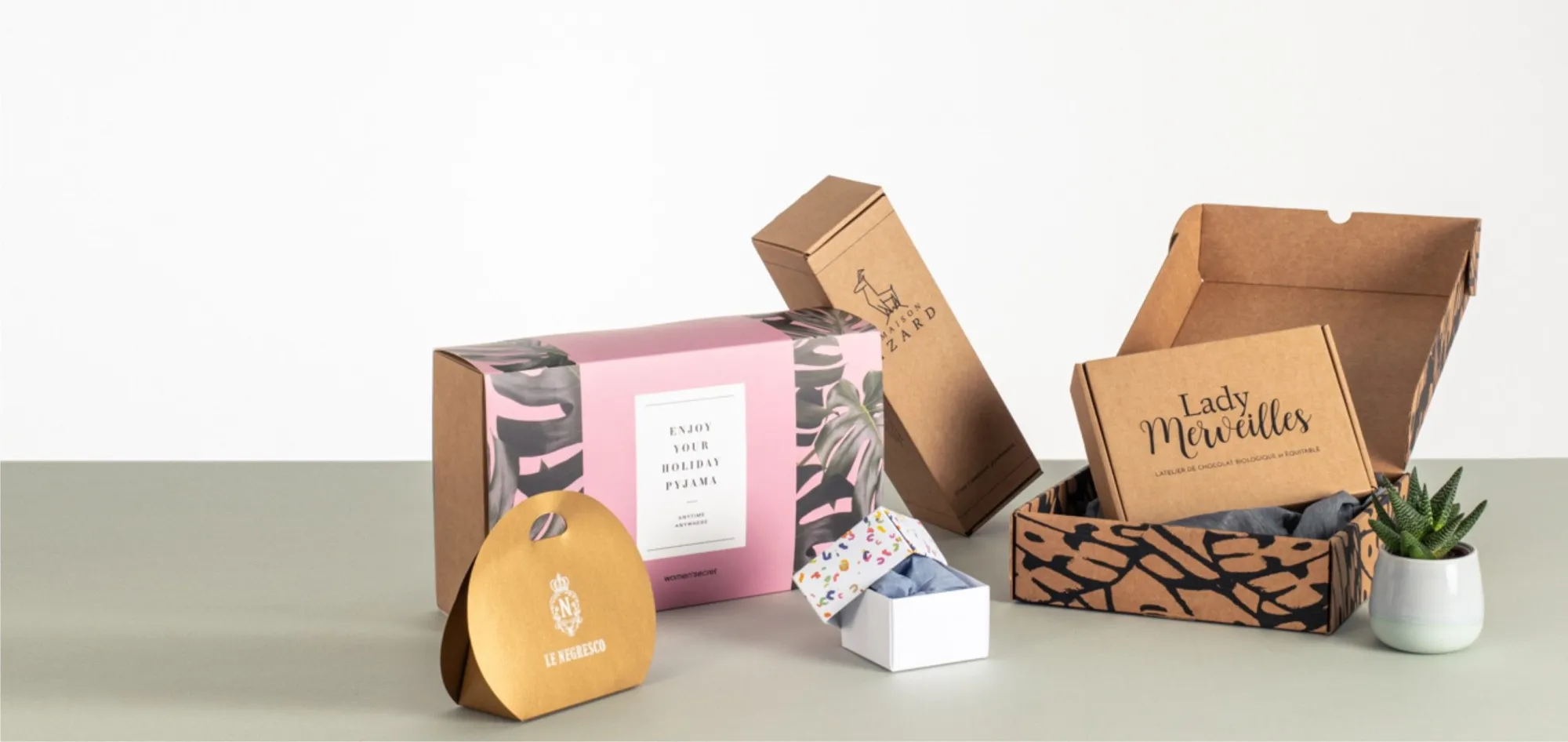
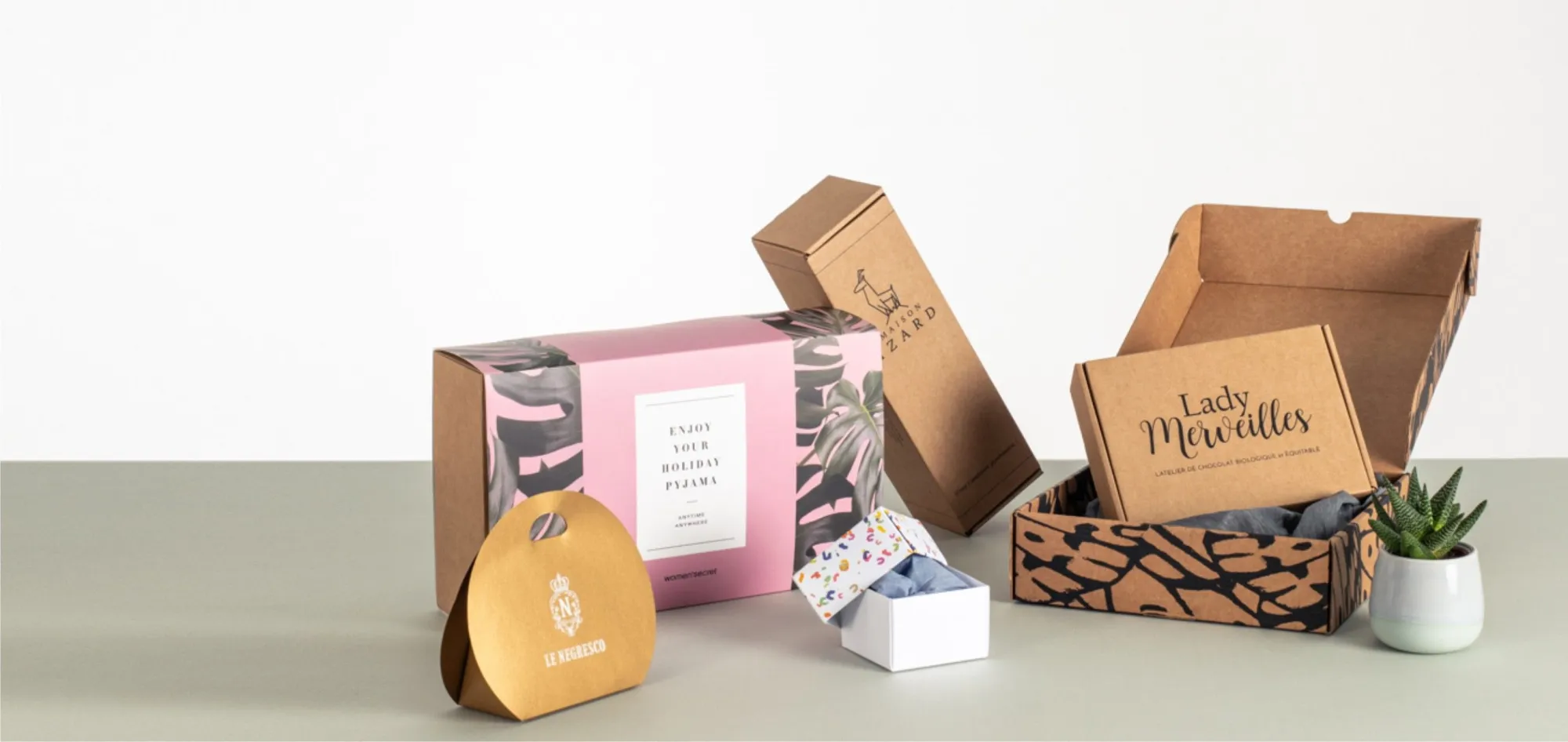
For e-commerce brands shipping fragile goods, I typically recommend B-flute or E-flute corrugated because they absorb impact well without adding excessive weight. Mailer brands love them for that reason. For retail shelf displays, rigid setup custom boxes with grey board thickness anywhere from 1200 to 2400 microns give that premium feel that actually justifies a higher price point.
The mistake I see most often? Brands choose box weight based on product weight alone. That ignores stacking compression, transit vibration, and humidity effects in warehouse storage. A 5 lb product shipped in a box rated for static load only will fail in a dynamic shipping environment. I've seen pallets arrive at distribution centers looking like accordions for exactly this reason.
Durable and attractive custom boxes for every industry aren't just about aesthetics; structural integrity has to come first, every single time.
What the Printing Process Actually Affects
Flexographic printing is the industry workhorse for corrugated runs. It's cost-effective at volume and handles solid color blocks well. But if your brand relies on fine lines, gradients, or photographic imagery, you're going to be disappointed with flexo on uncoated kraft. Digital printing on corrugated has matured significantly over the last three years and genuinely works for short runs or SKU-heavy catalogs.
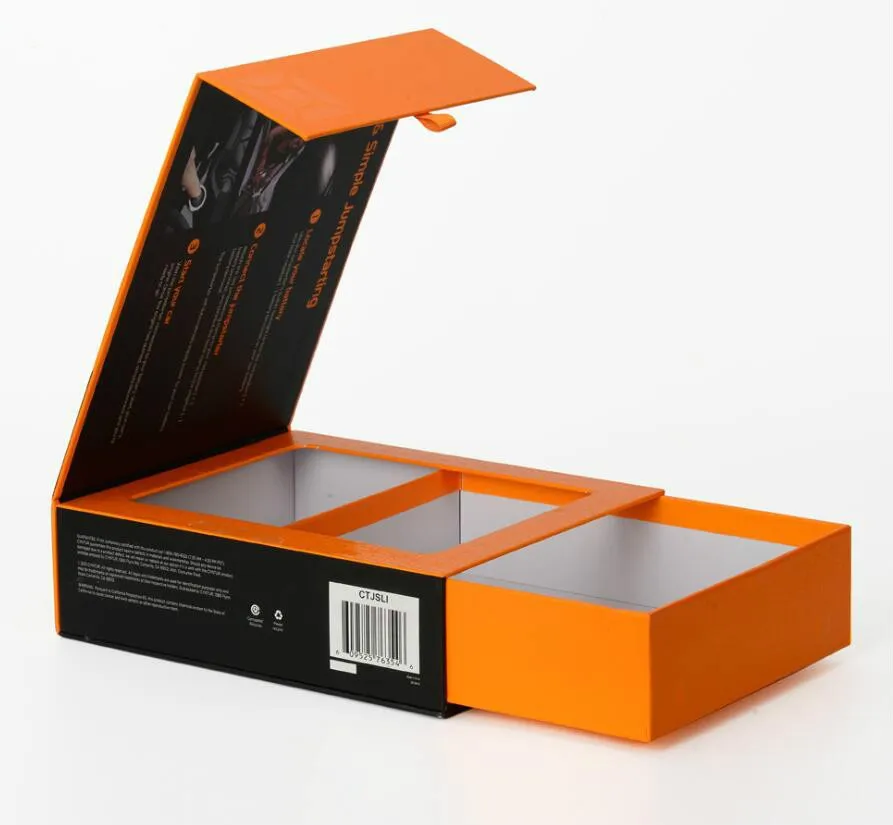
Rigid boxes behave differently. Offset-printed wraps laminated onto chipboard give you significantly tighter color registration and a shelf presence that corrugated simply can't replicate. This matters in beauty, spirits, and electronics packaging where tactile impression is part of the product experience.
One opinion I'll stand by: brands that cut budget on printing quality to spend more on finishing treatments usually regret it. Foil stamping on a poorly printed background looks worse than no foil at all.
Supply Chain Realities Brands Keep Ignoring
Lead times in custom packaging aren't what they were before 2020. Even now, tooling for new die-cut configurations can take two to four weeks minimum from an overseas supplier, and that's if specs are clean on first submission. I've sat in client calls where a product launch was delayed six weeks because someone approved a structural prototype without accounting for minimum order quantities and freight consolidation windows.
Local sourcing has a real cost premium, sometimes 25 to 40 percent higher per unit but the reduction in lead time risk and easier quality audits often make it worth it for initial product runs or seasonal launches.
Durable and attractive custom boxes for every industry require supply chain planning that starts well before creative briefs. Too many brands treat packaging as a procurement afterthought.
Product Protection Isn't Optional
Retail packaging and shipping packaging have completely different protection requirements, and conflating them is a costly mistake. A rigid gift box that photographs beautifully will not survive a 48-inch drop test or three weeks in a FedEx hub. I've had to have that uncomfortable conversation with brand managers who want one box for everything. It almost never works without significant structural compromise.
Custom inserts, whether vacuum-formed trays, die-cut foam, or pulp-molded fitments, add per-unit cost that many brands initially resist. But when you calculate the cost of damage claims, returns processing, and replacement shipments, that insert investment pays back faster than most expect. My rule of thumb: if your product costs over $40 retail, protective inserts are non-negotiable.
The Broader Industry Picture
Different verticals have genuinely different needs. Food packaging demands FDA-compliant inks and moisture-resistant liners. Pharmaceutical packaging requires tamper-evidence and serialization compatibility. Industrial components need heavy-duty double-wall corrugated with nothing fancy on the outside.
Durable and attractive custom boxes for every industry is not a one-size-fits-all statement, it's an acknowledgment that durability and aesthetics mean different things depending on what you're putting inside and how it's getting to the end user.
What I consistently tell clients: don't chase trends in packaging materials without understanding the functional requirements first. Sustainable packaging is important, and I'm genuinely in favor of it but switching to a thinner recycled-content board without retesting your compression ratings is how brands end up with crushed products and angry customers.
Final Thoughts
After years of working across food, electronics, cosmetics, and industrial sectors, the conclusion I keep coming back to is simple: packaging decisions made in a hurry almost always cost more in the long run than the time saved in making them. The brands that consistently get it right treat their box as seriously as they treat their product investing in proper material testing, realistic lead time planning, and structural design that matches actual shipping conditions rather than ideal ones.

























Sign in to leave a comment.