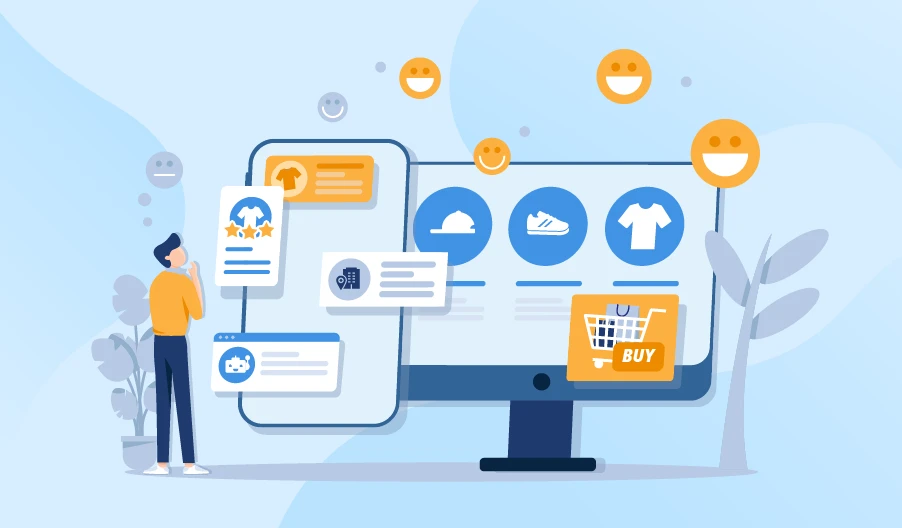

The rise of e-commerce has fundamentally transformed the way we shop and do business. With the proliferation of online marketplaces, consumers have greater access to products and services from all around the world, while businesses can expand their reach and tap into new markets. In fact, e-commerce sales are projected to reach $6.5 trillion by 2023, representing a massive opportunity for businesses of all sizes.
If you're looking to get in on the action, then you'll need to invest in e-commerce development. This involves building an online store that is capable of processing payments, managing inventory, and providing a seamless shopping experience for your customers. In this article, we'll explore everything you need to know about e-commerce development, from choosing the right platform to optimizing your site for maximum sales.
Choosing the Right E-commerce Platform
The first step in e-commerce development services is to choose the right platform for your online store. There are several options to choose from, each with its own strengths and weaknesses. Here are some of the most popular e-commerce platforms on the market today:
Shopify: Shopify is a popular e-commerce platform that allows you to build and host your online store on its servers. It comes with a wide range of features, including a drag-and-drop website builder, customizable templates, and built-in payment processing. Shopify also offers a range of apps and plugins to help you expand the functionality of your store.
WooCommerce: WooCommerce is a plugin for WordPress that allows you to turn your existing website into an e-commerce store. It's a popular choice for businesses that are already using WordPress as their content management system. WooCommerce offers a wide range of features, including customizable templates, payment processing, and inventory management.
Magento: Magento is a powerful e-commerce platform that is designed for larger businesses with complex needs. It comes with a range of advanced features, such as multi-store support, advanced search capabilities, and complex pricing rules. Magento is also highly customizable, allowing you to create a unique look and feel for your online store.
BigCommerce: BigCommerce is an all-in-one e-commerce platform that offers a wide range of features, including website design, payment processing, and inventory management. It's particularly well-suited to businesses that sell physical products, as it includes a range of shipping and fulfillment options.
When choosing an e-commerce platform, it's important to consider your specific needs and requirements. Think about the size of your business, the complexity of your product offerings, and your budget. You should also consider the level of support and customization options offered by each platform.
Building Your Online Store
Once you've chosen an e-commerce platform, it's time to start building your online store. This involves designing your website, setting up your products, and configuring your payment and shipping options. Here are the steps you'll need to follow:
Choose a domain name: Your domain name is the web address that people will use to find your online store. Choose a name that is easy to remember and reflects your brand.
Design your website: Most e-commerce platforms come with customizable templates that you can use to design your website. Choose a template that is well-suited to your product offerings and brand identity.
Set up your products: Add your products to your online store, including descriptions, images, and pricing information. Organize your products into categories to make it easier for customers to find what they're looking for.
Configure your payment options: Set up your payment processing options, including credit card payments, PayPal, and other payment gateways. Make sure that your payment options are secure and reliable.
Configure your shipping options: Set up your shipping options, including shipping rates, delivery times, and tracking information. Consider offering free shipping or flat-rate shipping to encourage customers to complete their purchases.
Test your website: Before launching your online store, be sure to test it thoroughly to make sure that everything is working properly. Check all of your links, forms, and payment processing options to ensure that customers can easily navigate and complete their purchases.
Launch your website: Once you're confident that your online store is working properly, it's time to launch it. Make sure to promote your online store on social media, email newsletters, and other marketing channels to attract customers and drive sales.
Optimizing Your E-commerce Site for Maximum Sales
Building your online store is just the beginning of your e-commerce journey. To be successful, you'll need to optimize your site for maximum sales. Here are some tips to help you get started:
Optimize your product descriptions: Your product descriptions should be clear, concise, and engaging. Use descriptive language to highlight the benefits of your products and help customers understand why they should buy from you.
Use high-quality product images: Your product images should be clear, high-quality, and show your products from multiple angles. Consider using lifestyle images to show your products in use and help customers visualize how they could benefit from them.
Offer customer reviews: Customer reviews can be a powerful tool for building trust and encouraging sales. Consider adding a review section to your product pages to allow customers to share their experiences and opinions.
Simplify your checkout process: Your checkout process should be quick and easy, with minimal steps and distractions. Consider using a one-page checkout process and offering guest checkout options to minimize friction and encourage customers to complete their purchases.
Offer upsells and cross-sells: Upsells and cross-sells can help you increase your average order value and encourage customers to buy more. Consider offering related products, bundle deals, or other incentives to encourage customers to add more items to their cart.
Optimize for mobile devices: More and more customers are shopping on their mobile devices, so it's important to optimize your online store for mobile devices. Make sure that your website is mobile-friendly and easy to navigate on smaller screens. E-commerce Development Services Canada
Analyze your data: Finally, be sure to analyze your data regularly to see how your online store is performing. Use tools like Google Analytics to track your traffic, sales, and conversion rates, and make adjustments as needed to optimize your performance.
Conclusion
E-commerce development is a complex process that requires careful planning, design, and execution. By choosing the right e-commerce platform, building a user-friendly website, and optimizing your site for maximum sales, you can create a successful online store that attracts customers and drives revenue. With the right strategy and approach, you can tap into the massive potential of e-commerce and take your business to the next level.





Sign in to leave a comment.