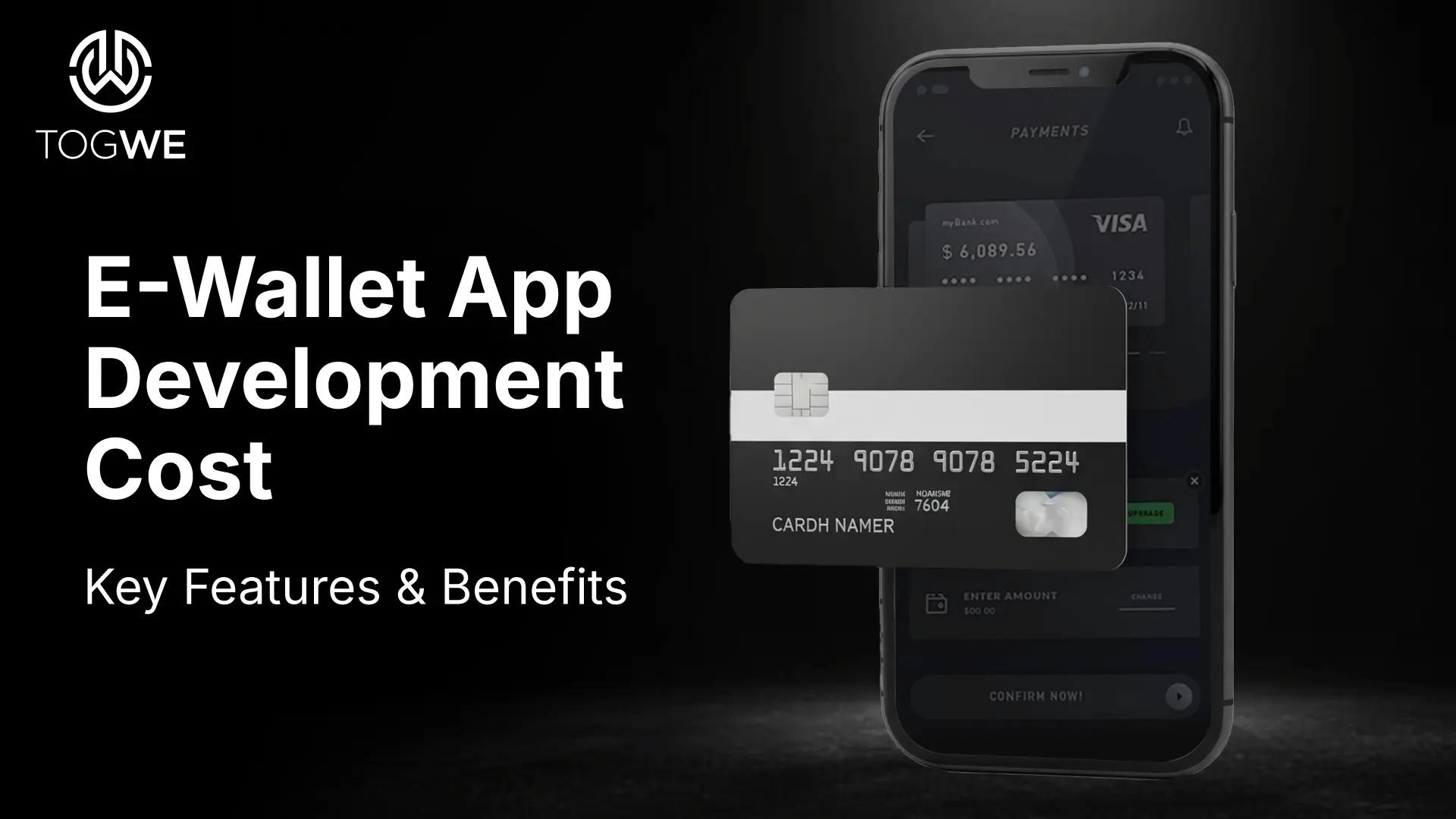
People want easy and fast ways to pay for things. No one likes waiting in line, counting cash, or searching for change. Today, a phone can do all that. This is why e-wallet apps are rising across the world. They turn your phone into a digital money tool. Many shops, schools, hotels, and online stores now accept e-wallets because they speed up payments. So, more companies want to build their own wallet app. Before they begin, they think about budget and ask about the E-Wallet App Development Cost so they can make smart choices.
This blog will explain what e-wallet apps do, the main features, why they matter in 2025, how much time and effort a project needs, and why e-wallets are good for users and business owners. The language stays simple so young readers can understand too.
What Is an E-Wallet App in Simple Words?
An e-wallet app is a place on your phone where you store digital money. You can add money from a bank card or transfer it from a bank. After that, you can pay for almost anything.
You can:
- Pay bills
- Recharge phone service
- Book tickets
- Shop online
- Scan and pay at stores
- Send money to a friend
No cash. No physical wallet. Only your phone.
Why E-Wallets Matter in Daily Life
E-wallets help in simple ways:
- You make payments in seconds
- You do not carry cash
- You avoid touching money (cleaner)
- You pay from home
- You track your spending
- You keep a safe record
Parents use them. Students use them. Workers use them. Even elders use them because they are simple once you learn.
Popular E-Wallet Types
There are different kinds of digital wallets:
✔ Mobile Wallet
Like Google Pay or Apple Pay.
✔ Payment Apps
Like PayPal or Stripe-based wallets.
✔ Banking Wallets
Banks make their own apps.
✔ Store Wallets
Some shopping brands create wallets for rewards.
Each type helps users make fast payments.
Main Features Every E-Wallet Must Have
Here are the simple but important features you need:
🟢 Sign Up and Login
Users must join quickly using a phone number or email.
🟢 Wallet Add Money
They should add money from a card, UPI, or online banking.
🟢 Scan and Pay
Users scan a QR code to pay any shop.
🟢 User-to-User Transfer
You can send money to contacts anytime.
🟢 Bill and Recharge
You can pay for daily needs.
🟢 Expense List
Users see where their money goes.
🟢 Security Lock
PIN, fingerprint, or face unlock.
These features build trust.
Advanced Features for 2025
Advanced features help your app stand out:
- Split payments for dinner with friends
- Auto-pay for monthly bills
- Rewards marketplace
- Instant refunds
- NFC tap payments
- Voice-based payments
- Travel payments
Young users love anything fast and smart.
Why E-Wallet Apps Grow Fast in 2025
This year brings more online shopping and more smart devices. Many teens now buy digital products. Families pay bills online. Shops accept QR codes. Governments support cashless systems because it helps track money.
More jobs are remote, and remote workers need online payment tools. In simple words, digital money fits the new lifestyle.
What Impacts the Development Budget?
Several points decide how much money you spend:
🟣 The number of features
More features mean more work.
🟣 Design
A smooth design needs extra effort.
🟣 Tech Stack
Better tech means better performance.
🟣 Platform
Android only costs less than Android + iOS.
🟣 Time
A fast project may need a large team.
🟣 Security Rules
Stronger rules need more coding and testing.
🟣 Payment Systems
Gateways and banks add extra cost.
Each part adds to the total.
Time Needed to Build an E-Wallet App
Time depends on feature depth:
- Small app: 2–3 months
- Medium app: 4–6 months
- Big project: 6–9+ months
Testing and security checks also take time.
How E-Wallet Apps Help Users
Users enjoy quick and easy life:
- Pay anything fast
- Never worry about cash
- Track every rupee
- Enjoy cashback
- Get discounts
- Stay safe online
Digital habits improve money control.
How E-Wallet Apps Help Companies
Companies gain more than users:
- More repeat customers
- Faster checkout
- Better brand identity
- Customer data insights
- Secure payment records
- Growth in online markets
It also helps companies build loyal user groups.
What Makes an E-Wallet App Successful?
Success happens when:
- The app never crashes
- Login is simple
- Payments are quick
- Users feel safe
- Support is friendly
- Rewards are fun
- Updates come often
Happy users bring more users.
Risks You Must Handle
Like every digital product, an e-wallet needs care:
- Hackers
- Fraud
- Payment issues
- Refund errors
- Server downtime
A strong team handles these risks before launch.
Great Use Cases for E-Wallets
E-wallet apps work well for:
- Stores
- Food delivery apps
- Ride-hailing apps
- Online shopping brands
- Supermarkets
- Entertainment apps
- Gaming platforms
If a business wants fast payment, an e-wallet helps.
FAQs
❓ Can kids use an e-wallet?
With parent help, yes. Some wallets allow youth accounts.
❓ Is adding money safe?
Yes, if the app uses OTP, PIN, and bank-level security.
❓ Can I build an app with basic features first?
Yes, you can expand later.
❓ Does every e-wallet need rewards?
Not required, but rewards attract more users.
❓ Does an e-wallet work in all countries?
Not always. Rules change country to country.
Conclusion (Includes: app development services)
Digital money will stay and grow. E-wallet apps save time and make life simple for users and business owners. They support cashless stores, online shopping, and fast transfers. When you build your own wallet, think about features, safety, budget, and future updates. Working with a skilled team that offers app development services can help you launch faster and avoid mistakes. The world is moving toward smart payments—this is a good time to join the change.























Sign in to leave a comment.