

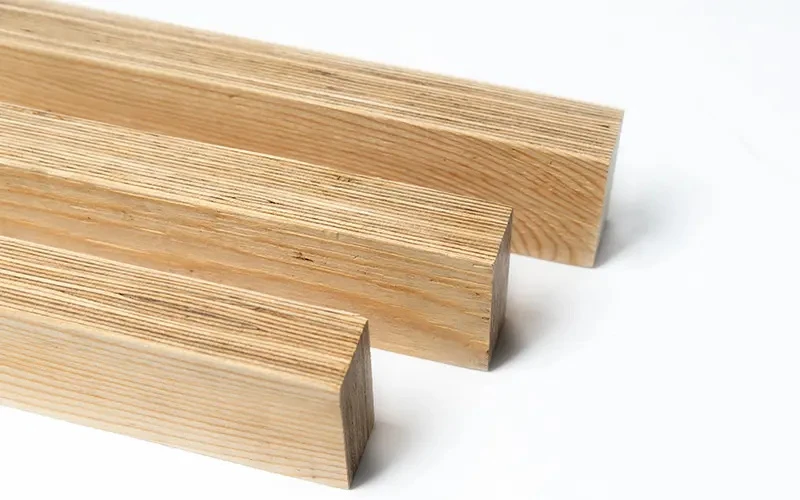
E14 LVL combines strength, durability, uniformity, versatility, and standard compliance, making it an outstanding choice for structural applications in construction projects. Whether in a home, commercial, or industrial application, it delivers dependable performance and long-term structural stability.
Main Features of LVL E14
Strength
Endurance
Stable quality
Convenient installation
Specifications of E14 Structural LVL
Read More:
Understanding Deck Framing
Understanding deck framing is crucial for building a safe, durable, and structurally sound deck. Deck framing refers to the underlying support structure of a deck, including beams, joists, posts, and footings. Here's a detailed breakdown of key components and considerations for understanding deck framing:
Key Components of Deck Framing:
Ledger Board:
Purpose: Attached to the house, the ledger board provides support and stability for one side of the deck.
Installation: Securely attach the ledger board to the house's rim joist using lag screws or bolts. Proper flashing is essential to prevent water damage.
Beams:
Purpose: Beams support the joists and distribute the weight of the deck to the posts or footings.
Types: Beams can be attached directly to posts (freestanding decks) or supported by posts and footings (attached decks).
Materials: Commonly made of pressure-treated lumber or engineered wood for strength and durability.
Posts and Footings:
Purpose: Posts transfer the load of the deck to the footings, which distribute the weight evenly into the ground.
Materials: Posts are typically pressure-treated lumber or metal, while footings are often concrete poured below the frost line for stability.
Spacing: Posts are spaced based on the deck's design and local building codes.
Joists:
Purpose: Joists are horizontal framing members that support the deck boards.
Materials: Usually made of pressure-treated lumber or engineered wood like treated LVL (Laminated Veneer Lumber) for durability.
Spacing: Joists are typically spaced 12 inches or 16 inches apart, depending on the size and span of the deck boards.
Key Considerations for Deck Framing:
Design and Planning:
Determine the size, shape, and elevation of the deck.
Plan the layout of beams, posts, and joists based on the deck's dimensions and load requirements.
Material Selection:
Use quality, weather-resistant materials suitable for outdoor use.
Opt for pressure-treated lumber or engineered wood products designed for structural framing.
Support and Stability:
Ensure adequate support and stability by using proper spacing and sizing of beams, joists, posts, and footings.
Consider adding diagonal bracing or blocking between joists for enhanced stability.
Compliance with Building Codes:
Adhere to local building codes and obtain necessary permits for deck construction.
Follow guidelines for load capacity, span distances, and safety requirements.
Water Management:
Use proper flashing techniques to prevent water damage at ledger board connections.
Ensure adequate ventilation and drainage to prevent moisture buildup and wood decay.
Safety and Durability:
Inspect all connections and fasteners to ensure they are secure.
Use corrosion-resistant hardware to withstand outdoor conditions.
As one of suppliers of engineered wood flooring, we will do our best to meet all the needs of customers.





























Sign in to leave a comment.